Six cities, six continents, one scoreboard for nightlife. Amsterdam Dance Event and VibeLab have put a number on something the scene has argued about for years without data to back it up: how diverse club lineups actually are, city by city. The answer, per Groove's reporting on the new Nighttime Culture Index, is not good. Across Amsterdam, Sydney, New York, Seoul, São Paulo and Lagos, women and gender-diverse artists hold only 27 to 32 percent of all bookings analyzed. Men take the other 68 to 73 percent, in every single city.
How do you even score a city's nightlife?
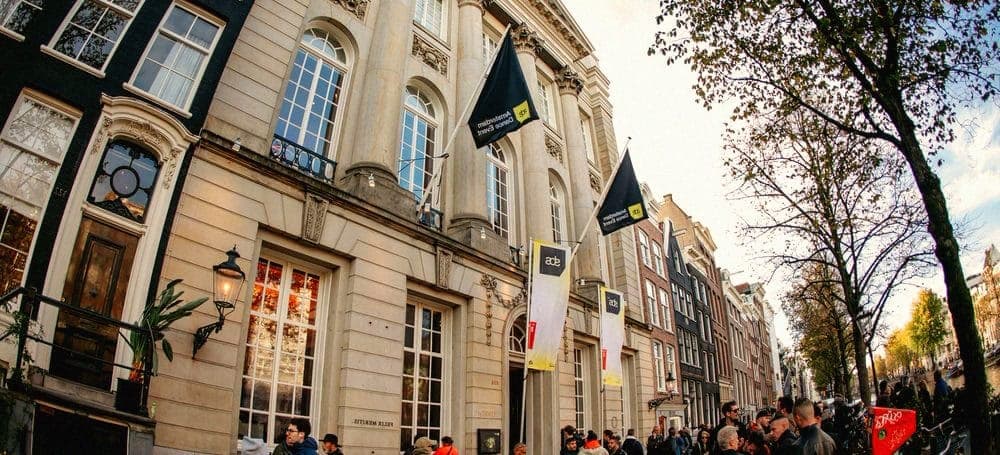
The index, built by VibeLab founders Mirik Milan (Amsterdam's former night mayor) and Lutz Leichsenring (former spokesperson for Berlin's Clubcommission), rates each city across six dimensions: creative ecology, spaces, diversity, policy, safety and sustainability. The data set is serious: more than 12,000 lineups, over 3,000 venues and close to 29,000 nighttime cultural events, from clubs to theatre and opera, cross-referenced with 767 survey respondents, 14 expert interviews and 67 focus-group participants. The overall scores land Amsterdam on top at 63.0, with Sydney (62.9) and New York (61.2) close behind, then a real drop to Seoul (50.0), São Paulo (47.7) and Lagos (36.9). The project launched at ADE Pro, timed to Amsterdam Dance Event's 30th anniversary, which is itself a statement: the festival putting its own city under the same microscope as everywhere else.
Who's actually booking the diverse lineups?
The index's sharpest finding isn't the overall ranking, it's who is doing the work. Grassroots and queer venues book the most diverse lineups and run the most awareness teams of any venue type measured, in every city. They are also, per the index, the spaces most likely to close as rents and running costs climb. That's the real tension buried in a 63.0 for Amsterdam or a 36.9 for Lagos: a city score can rise on the back of commercial venues that book nothing like 30 percent women and gender-diverse artists, while the rooms actually doing the diversity work get squeezed out first.
Grassroots and queer scenes most frequently run diverse lineups and awareness teams, yet those same venues face the greatest risk as costs rise.
Why it matters
Until now, "the lineup problem" has mostly been argued anecdotally, promoter by promoter, festival by festival. A standardized, cross-continental index with the same 30-ish indicators applied to Amsterdam and Lagos alike gives bookers, funders and journalists a shared baseline to point to, and nowhere to hide behind "but my lineup is diverse" without the receipts.
What we think
A 27 to 32 percent share for women and gender-diverse artists is not progress, it's an industry still failing a basic equity test it has had a decade of warning about. The more damning detail is that the scenes already doing the work, the grassroots and queer rooms, are the ones being priced out, while the venues setting the low bar for the rest of the index keep operating. If ADE and VibeLab update this annually, it becomes a genuinely useful pressure gauge. If it's a one-off PR moment, the number just sits there as an indictment nobody acts on.