Why does Mumbai matter for a festival built on NOT being a mega-festival?
No Art has built its reputation proving the opposite of festival math: a smaller footprint, a curated lineup, art installations instead of pyrotechnics, and it still filled out editions in Ibiza, São Paulo, New York, Paris, Lisbon and Amsterdam's own Flevopark, where ANOTR first ran it as an underground gathering. On Sunday, November 15, 2026, that model lands in India for the first time, at Bayview Lawns in Mazgaon, Mumbai, doors at 1pm, tickets from ₹4,000 through BookMyShow.
The stakes aren't just "a Dutch duo plays Mumbai." India's dance scene has mostly imported the mega-festival template, built on headliner names and crowd size. No Art is the opposite bet: fewer artists, a mainstage called The Canvas designed as a living painting ringed by mirrors, Mirror Cubes throwing reflected light across the floor. Whether that travels outside Europe's festival-literate crowds, in a market trained on bigger-is-better, is the actual test here.
What's on the bill, and why does the timing matter?
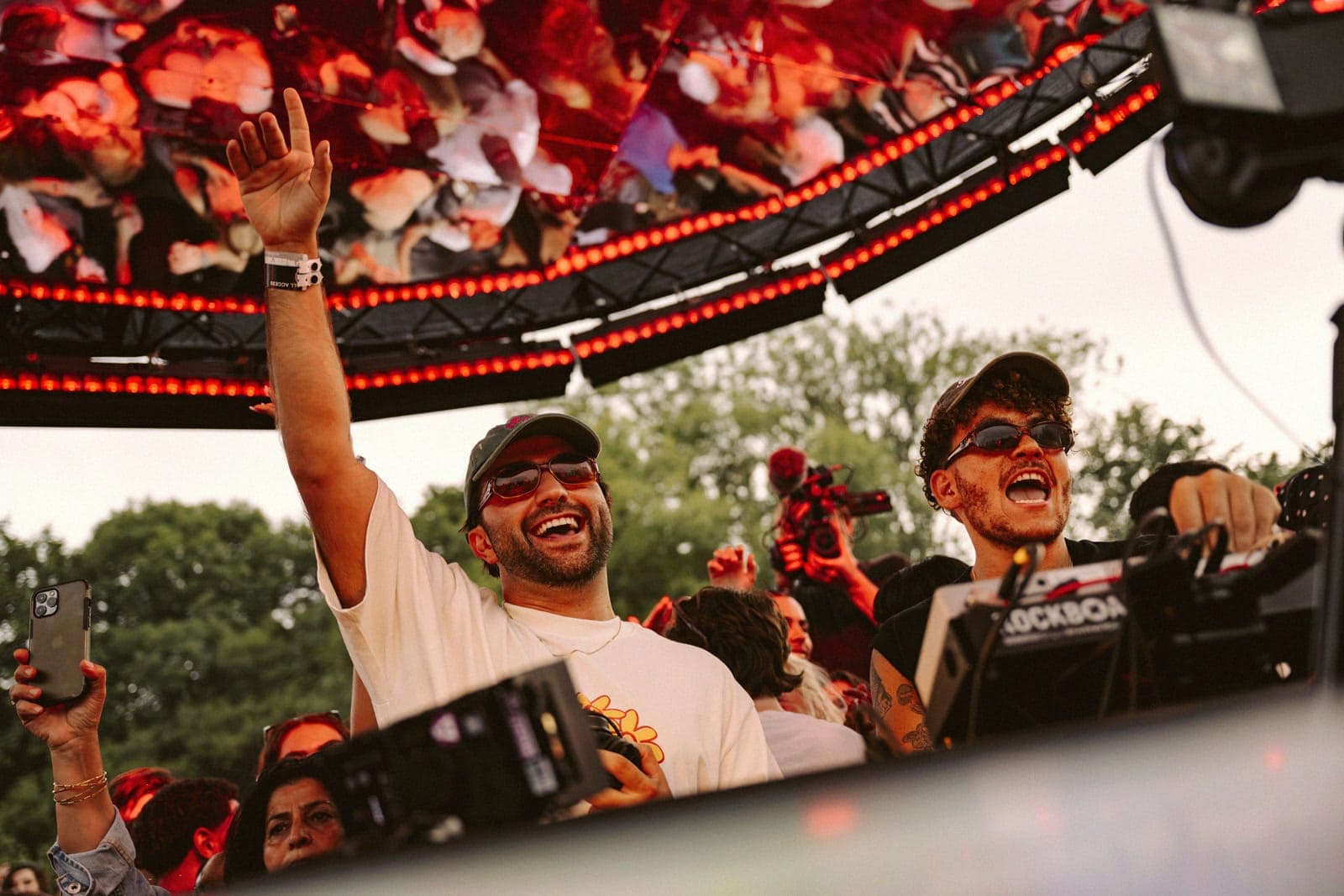
ANOTR, the Amsterdam duo who built No Art from scratch, headline their own festival alongside Job Jobse, ISAbella, Marlie and Rooleh. Doors are 18+, no exceptions. The Mumbai date wasn't the original plan: No Art was first booked for March 21, 2026, before organizers pushed it back to this November slot. The shift was never publicly explained beyond the new date, but the timing now puts Mumbai right after New Delhi. ANOTR play JLN Stadium's Gate Number 1 on November 14, meaning the duo runs a two-city India swing in under 48 hours before flying out.
No Art is built around carefully curated house music, contemporary art and community-led experiences rather than the mainstream EDM formula.
That framing is the whole pitch: no laser-show arms race, no fifty-name poster. Five acts, one night, art built into the architecture of the show instead of bolted on as decoration.
Does the format work outside Europe?
That's the open question, and a legitimate one for anyone booking international talent into South Asia right now. No Art's European and North American editions work because the audience already knows the format: fewer names, denser production value, a crowd that shows up for the room as much as the lineup. Mumbai's clubbing crowd has had far less exposure to that specific pitch. A packed night here would be a genuine signal that India's house scene can support festival formats built on scale-down rather than scale-up, not just proof that ANOTR has fans.