What actually separates a rave from a DJ concert?
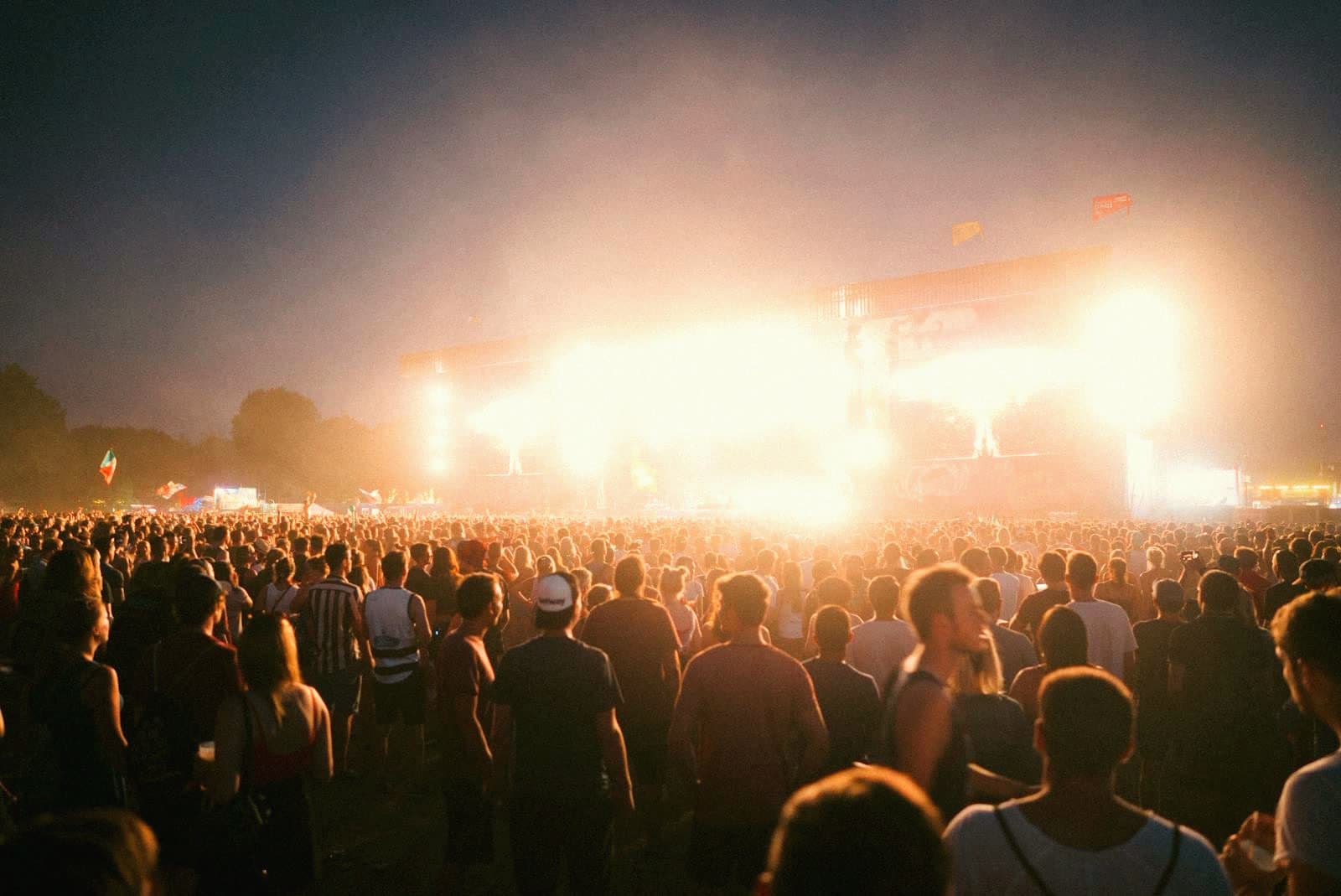
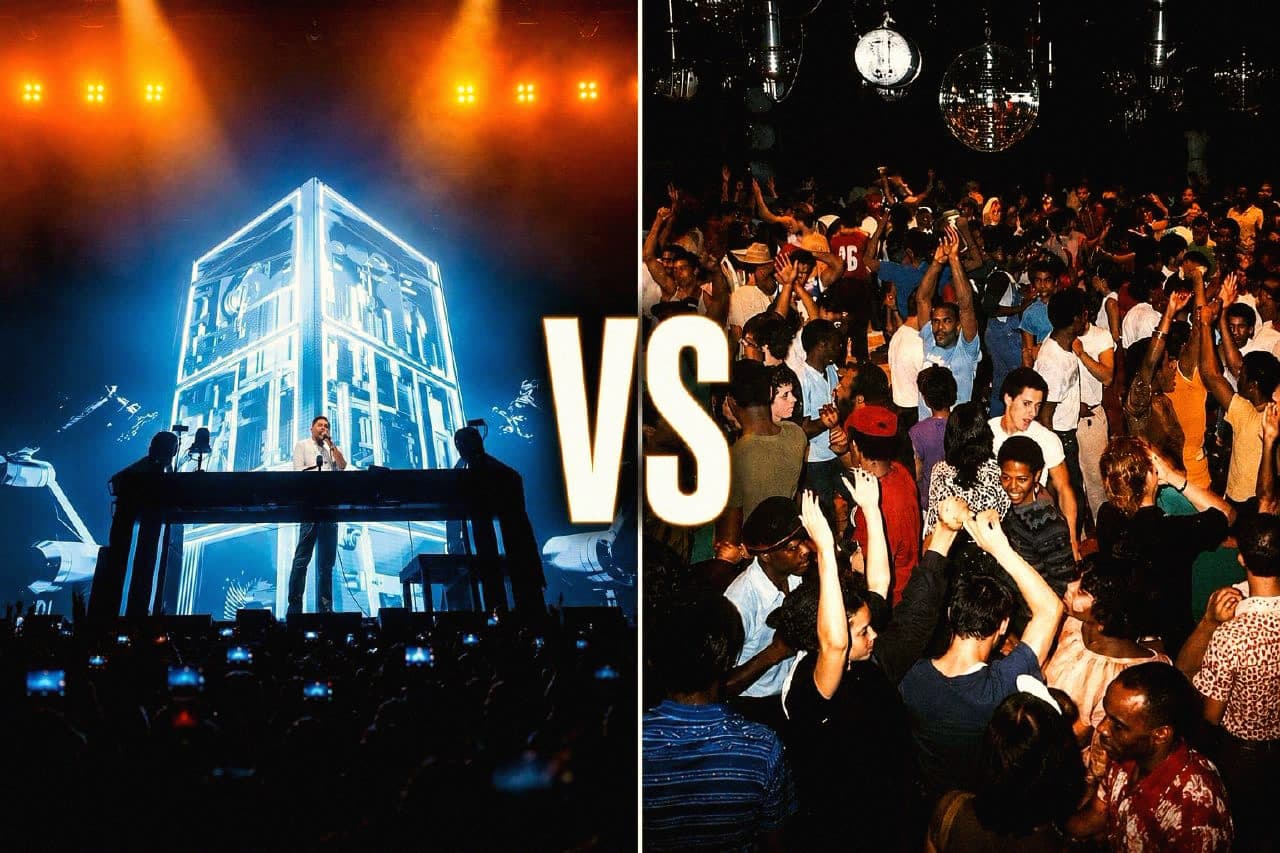
The production is bigger. The crowd faces forward. The DJ is the centre of attention, and people are filming, singing along and waiting for the drop so they can capture the perfect ten-second clip. That can be a great night. It is just not a rave. Fisher and David Guetta can play clubs, festivals and even Ibiza and still be putting on a concert, think Meduza at Hï Ibiza, Fisher at UNVRS Ibiza, or David Guetta filling the Stade de France, because a huge crowd, a DJ and an elaborate show do not add up to a rave. Rave culture was never only about electronic music. It was always about the relationship between the DJ, the dancers and the energy moving through the room.
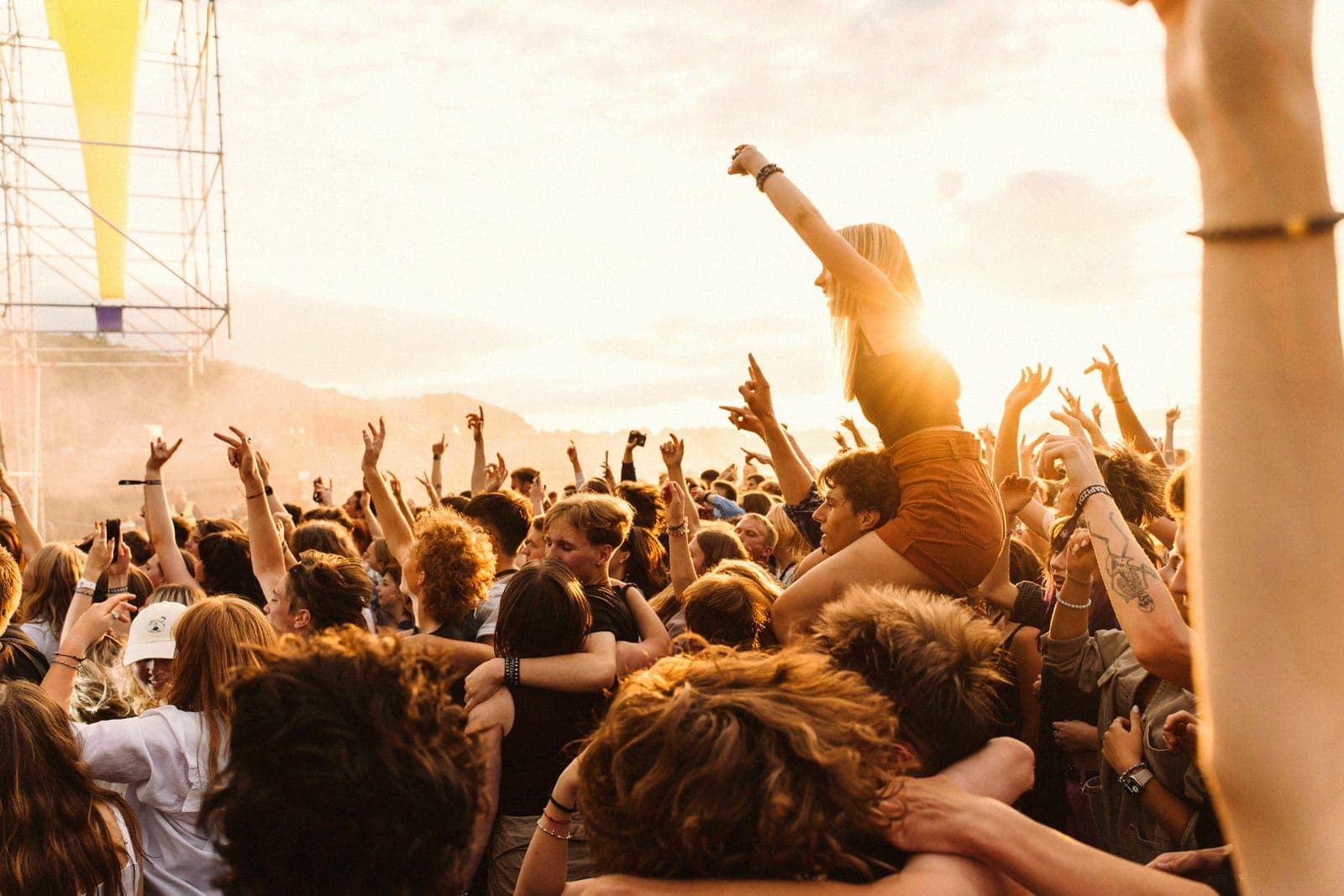
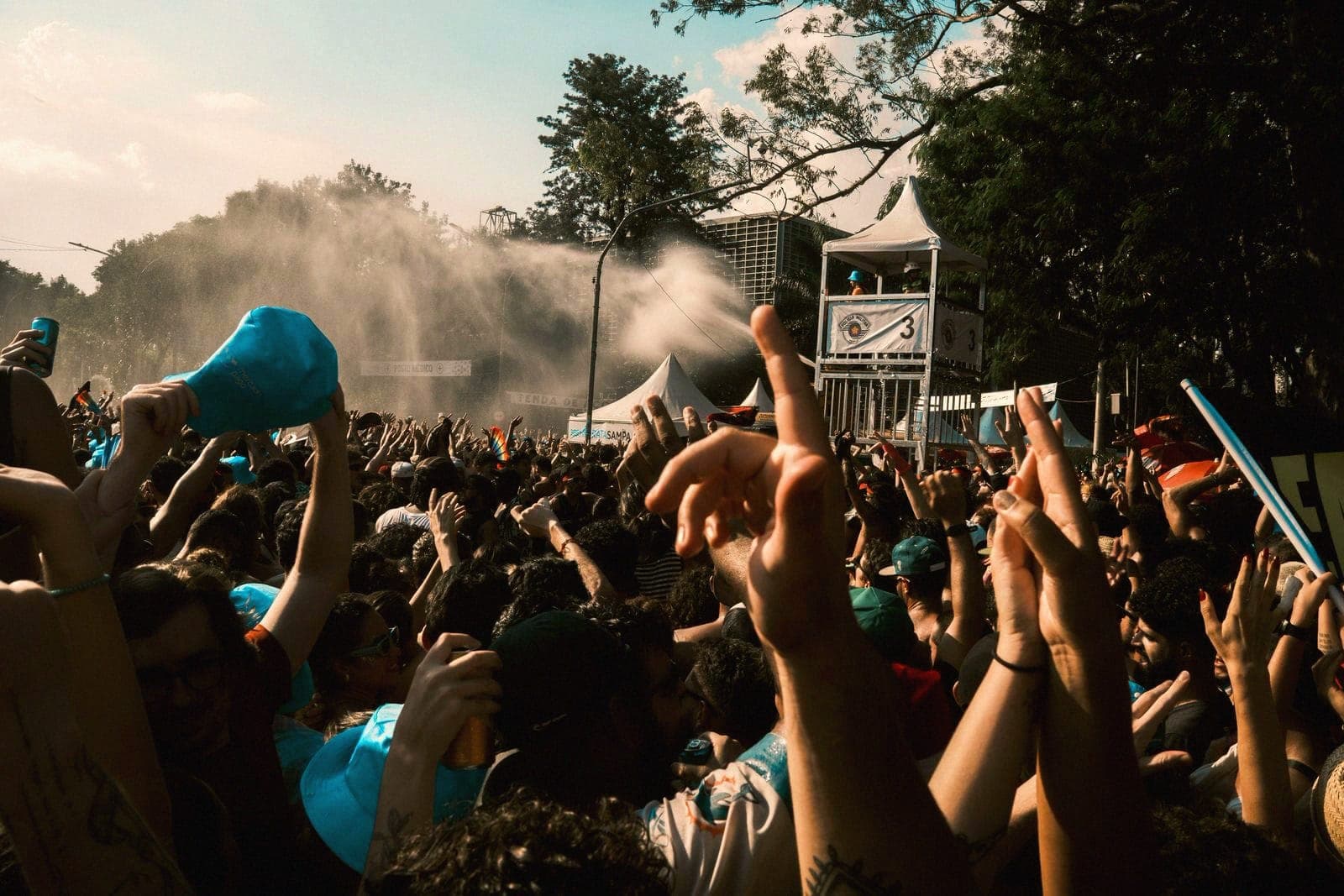
At a real rave the crowd is not the audience. The crowd is part of the event.
Why is reading the room a different craft?
A rave DJ cannot lean on a pre-made set played in order. The records have to come from the temperature of the floor: the time of night, the energy rising or dropping, the tension that needs to be held and the release that has to land at the right moment. That is why Seth Troxler and Laurent Garnier operate at a deeper level than pressing play on a sequence. They listen, they adjust, they are in conversation with the floor. Joseph Capriati makes the case unanswerable: his 25-hour-30-minute set at Heart Miami in 2017 was, in his own words, impossible to plan. You cannot fake that kind of endurance with a rigid tracklist. A set built around a fixed, rehearsed selection belongs to the concert format, however impressive it is.
Does online popularity define rave culture?
Follower count does not hold a dancefloor for six hours. Jamie Jones, The Martinez Brothers, DJ Sneak and Apollonia come from a culture where the DJ is a guide and a selector, part of a living exchange with the room, not a pop star worshipped from a distance. It is the lineage of Frankie Knuckles and The Warehouse, where the floor was the main character. That space mattered because it sat outside normal hierarchy: you did not need to be famous, beautiful or important, you just had to show up, feel the music and add to the energy.
Where it started: the DJ behind the curtain
The original Chicago house scene had no celebrity DJ culture. At The Warehouse in the late 1970s and early 1980s, Frankie Knuckles played from a booth that was not designed to be the centrepiece of the room. At the Music Box, Ron Hardy worked in near-darkness, the booth deliberately tucked away. The names that built the genre, Larry Heard, Jesse Saunders, Larry Levan in New York, were known to a tight community, not to the world at large. Most people on the floor did not know who was playing, and that was the point. The music was the event. The DJ was its invisible architect.
The dancing itself encoded that philosophy. The jacking movement, a deep rhythmic full-body wave that starts in the hips and spreads upward, was never directed at a stage. People danced facing each other, sometimes with eyes closed, sometimes in loose circles. The energy moved horizontally through the crowd, body to body, not vertically up toward a booth. The DJ fed that energy from behind the curtain. He did not own it; he tended it.
That is where the distinction matters most: a rave DJ's authority has always come from function, not from fame. Follower count is the opposite of that tradition.
Why protect the distinction at all?
Not because one experience is superior, and not to shame anyone for loving a big show. But if we call everything a rave, we lose the meaning of the word and the culture underneath it. When the DJ is treated like a superstar and the crowd behaves like fans at a concert, the dancefloor stops being a living organism and becomes a viewing area. The night turns from surrendering to the rhythm into documenting your proximity to status. Spectacle has its place. So does the dark room with no visuals, no VIP and no giant screen, where a sound system, a crowd and a DJ who moves with the floor build a temporary world together.