What do you actually get for nothing?
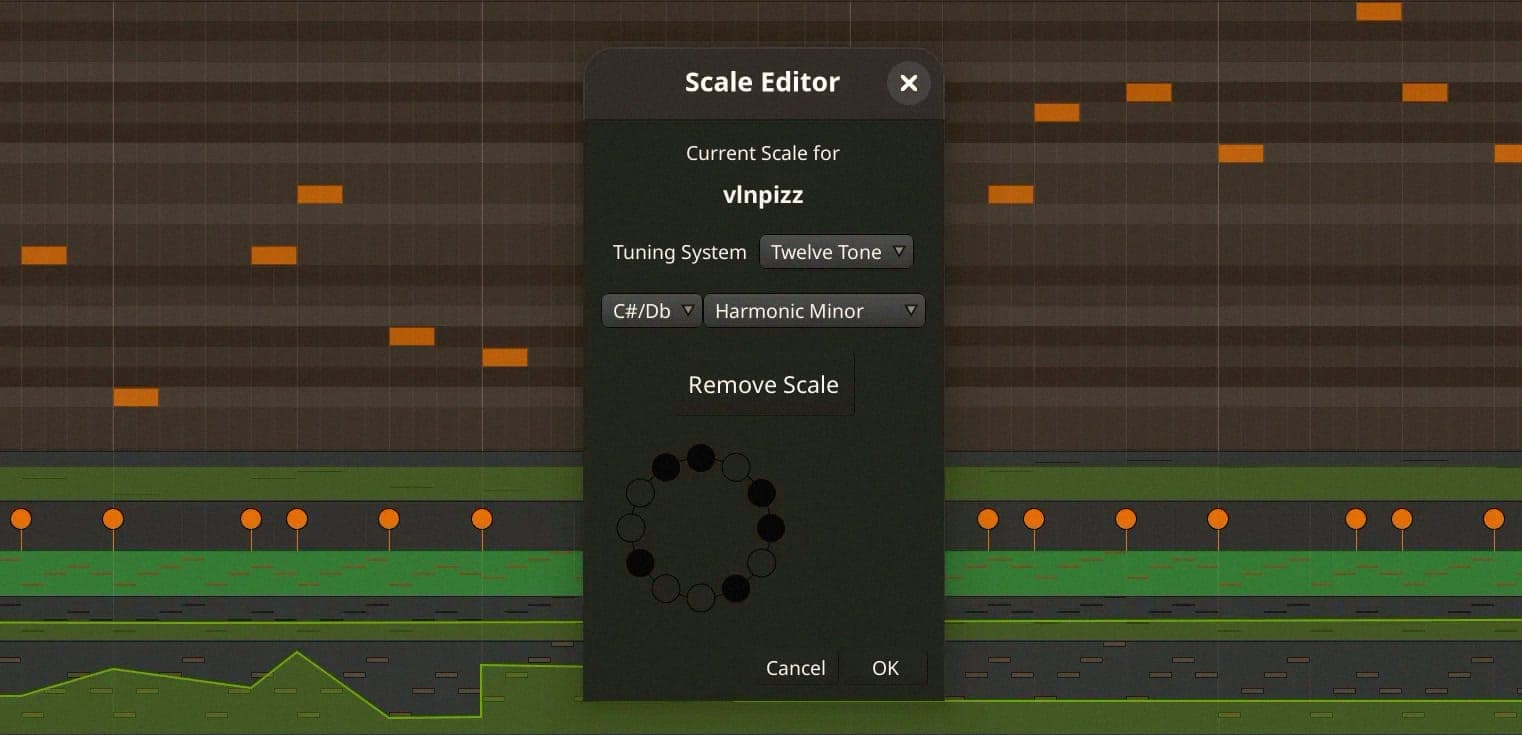
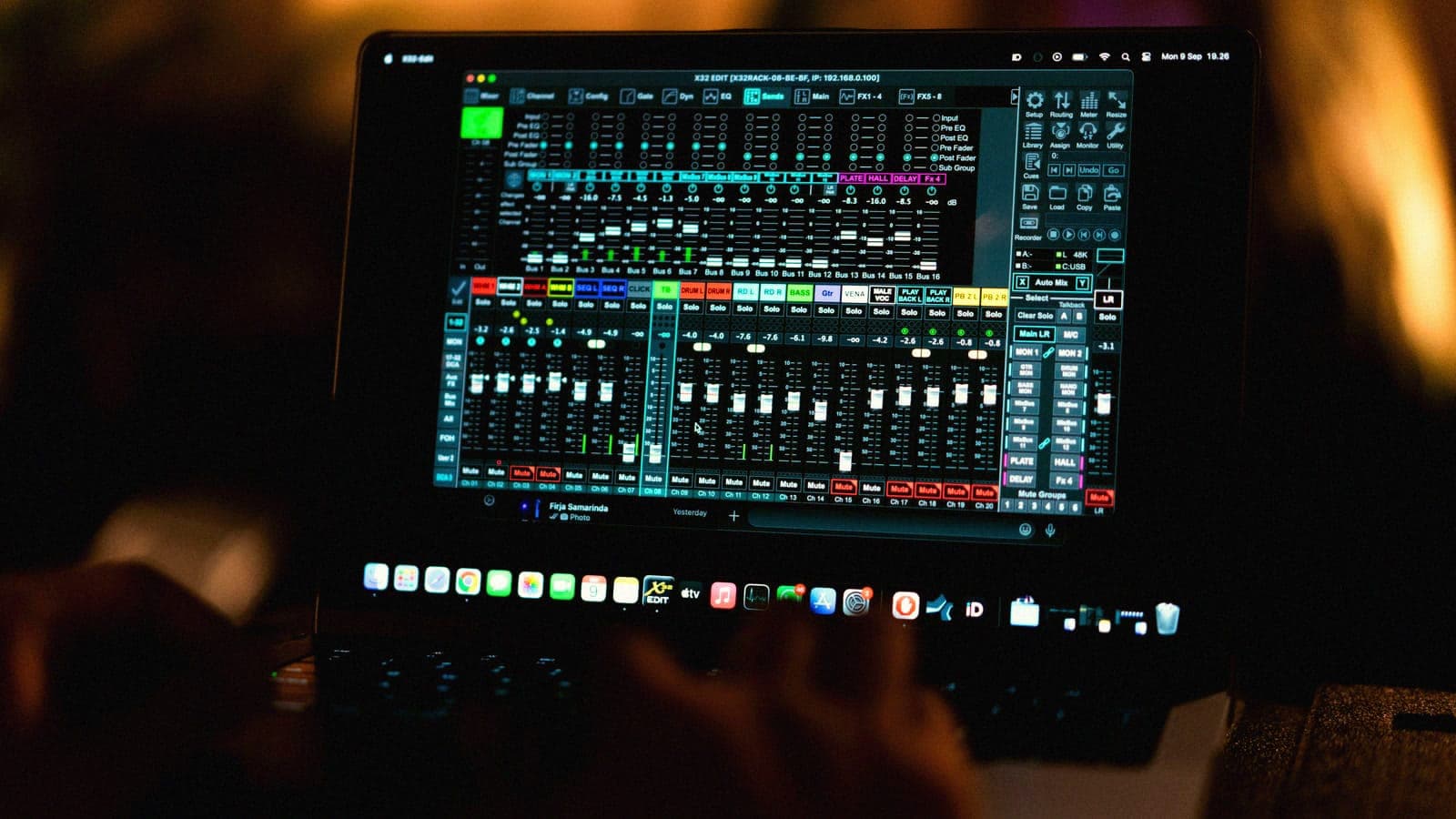
openDAW runs entirely inside a browser tab: multi-track audio and MIDI recording, a mixer with sends, aux buses and stem export, and a note editor, laid out in a way that will look familiar to anyone who has used Ableton Live, Cubase or Bitwig Studio. The stock instrument rack includes Cubed (a 303-style synth), Neon (a CZ-style synth), Playfield (a drum machine), Nano (a sampler), Vaporizer (a subtractive synth), Tape and Soundfont, plus a JavaScript-scriptable effects engine (Werkstatt and Spielwerk) alongside compressor, reverb, delay, autotune, vocoder, EQ and waveshaper. The project also bundles more than 200 loops and one-shots from ModeAudio, so a new user has something to build with on day one.
None of it requires a sign-up. According to openDAW's own site, there is no tracking, no cookie banner, no user profiling, no terms and conditions to click through, no ads, no paywall and no data mining, a direct rebuttal to the account walls and usage caps that have crept into free tiers of commercial software.
Who built it, and why leave Audiotool?
André Michelle spent 16 years running Audiotool, the browser-based music platform he founded in 2007, before leaving in 2023 over what he has described as a differing vision for where the product should go. openDAW is his second attempt at the same idea, minus the constraints of running a company: a prototype surfaced publicly in February 2025, and the tool has been refined since then in the open, funded through Patreon, Ko-fi and merch rather than investor money, with weekly community calls on Discord every Friday.
"I still have an undying dream of a free music studio with a huge, supportive community that builds upon its own growing knowledge."
Bitwig Studio artist Polaris has publicly backed the project, and a built-in Nextcloud integration lets schools store student projects on their own servers instead of a third-party cloud, a detail aimed squarely at the education market Michelle is chasing alongside bedroom producers.
Why does going open source matter here?
openDAW's code is licensed under AGPL v3 or later, meaning anyone can inspect it, fork it or build on it, with a separate commercial license required only for businesses that want to bundle it into a closed-source product. Its GitHub repository has already passed 2,100 stars ahead of the official September 2026 launch and an October 3rd public event in Cologne. Bedroom Producers Blog places it in the same lane as two other free, open-source tools already trusted by the scene: LMMS, a full DAW with 16 built-in synths including TB-303 emulations, a beat sequencer and a piano roll, and Surge, a hybrid synthesizer with filters, modulation, effects, microtuning and MPE support. openDAW's pitch is to bring that same free-and-open ethos to the browser, with zero install.