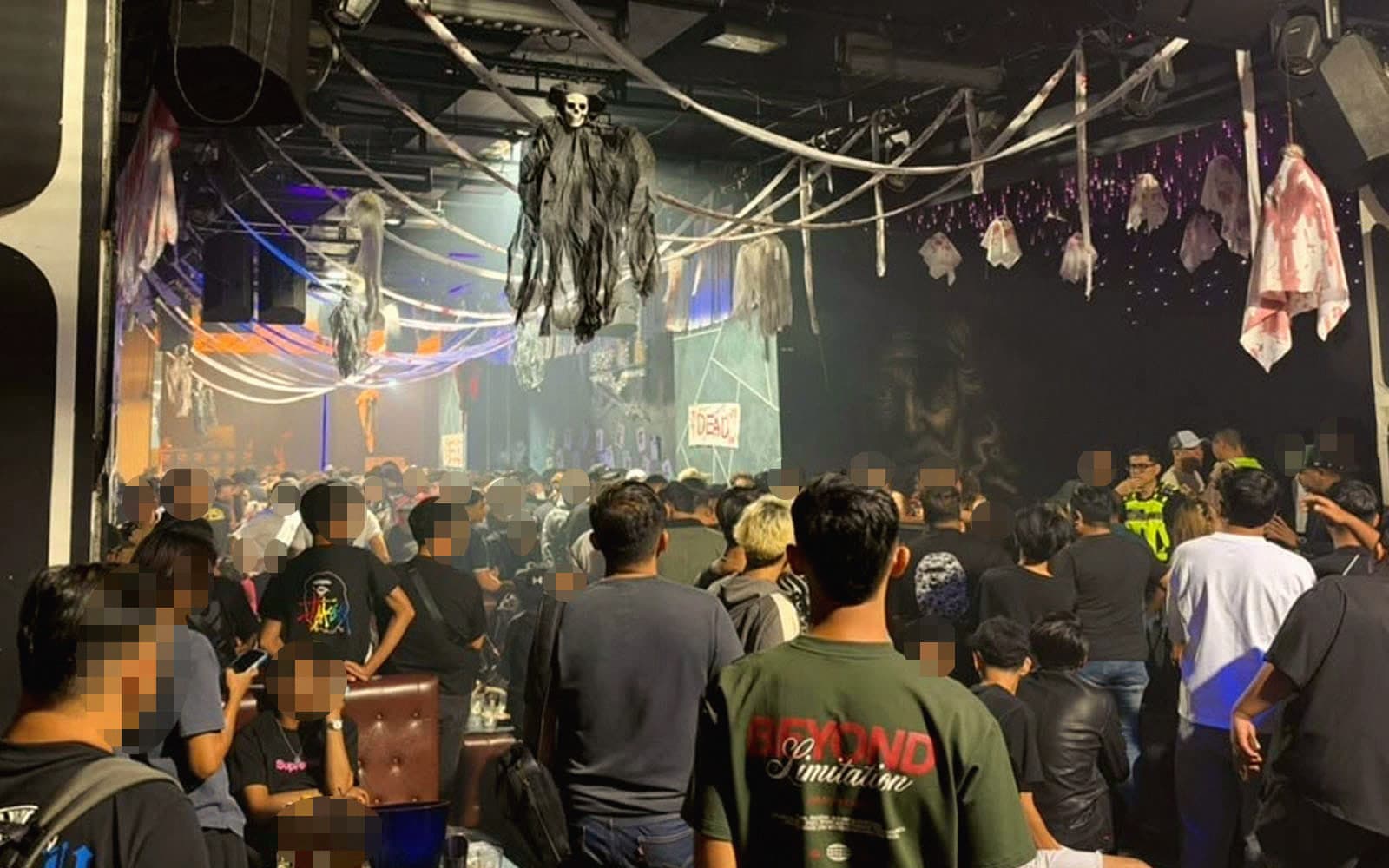
Two bars in Phuket's Thalang district went dark just before midnight on November 8, when officers from Thailand's Department of Provincial Administration moved in under an operation they called Andaman Lockdown. The Black Bar and CLC, both in the Choeng Thale area, had no entertainment licence. One was also charged with pouring drinks past legal hours. What made the raid a national story wasn't the paperwork, though. It was who DOPA found behind the decks.
At CLC, officials logged managers, staff, dancers and DJs from Russia, Ukraine, Iran and Myanmar, all working without the authorization Thai law requires of foreign labour in entertainment venues. For a scene that runs on DJs crossing borders for a season, a residency or a single weekend booking, that's the part that should worry promoters well beyond Phuket: the enforcement wasn't aimed at tourists overstaying a visa, it was aimed at the people actually running the floor.
Who actually owned these bars?
The labour case is the visible half of Andaman Lockdown. The deeper one is about ownership. CLC was registered in 2025 with a Thai woman listed as its sole director, standard practice for a foreign-facing business under Thai law, which caps foreign ownership of most venues. DOPA's intelligence suggests she was acting as a nominee, a Thai national holding shares on paper for investors who, by law, aren't allowed to hold them directly. In this case, DOPA says the real backers were Ukrainian.
Nominee structures are common and mostly legal when disclosed properly across Southeast Asia's bar and club economy, which leans heavily on foreign capital and foreign talent to fill rooms built for tourists. They become a liability the moment a Thai front owner is found to be a name on a form rather than an actual operator, and a bigger one if the venue is also suspected of laundering money for criminal networks, which residents who complained to DOPA alleged was happening here. The department has now asked Thailand's Anti-Money Laundering Office to dig into both venues' financial records and funding sources.
What does this mean for DJs working the region?
Nothing in DOPA's case targets house or techno specifically; the venues in question ran generic nightlife programming. But the labour enforcement model on display, cross-checking work permits and immigration status of everyone performing or managing on-site, applies just as readily to a club booking a touring DJ for a weekend set as it does to a bar hiring resident dancers. Thailand's entertainment-visa and work-permit rules have long lagged behind how clubs in Phuket, Bangkok and Chiang Mai actually staff their lineups, and Andaman Lockdown is a reminder that the gap between common practice and legal practice can close fast once a department decides to look.
DOPA's Deputy Director-General Ronnarong Thipsiri led the raid personally, alongside Phuket's provincial administrative office.
For promoters building out a Southeast Asian touring circuit, the lesson isn't to avoid Phuket. It's that the region's club economy runs on informal arrangements, nominee ownership, undocumented DJ bookings, licences renewed late or not at all, that regulators are now willing to unwind publicly, with the five-year closure threat and a money-laundering referral attached.