What actually happened on stage at R² Festival?
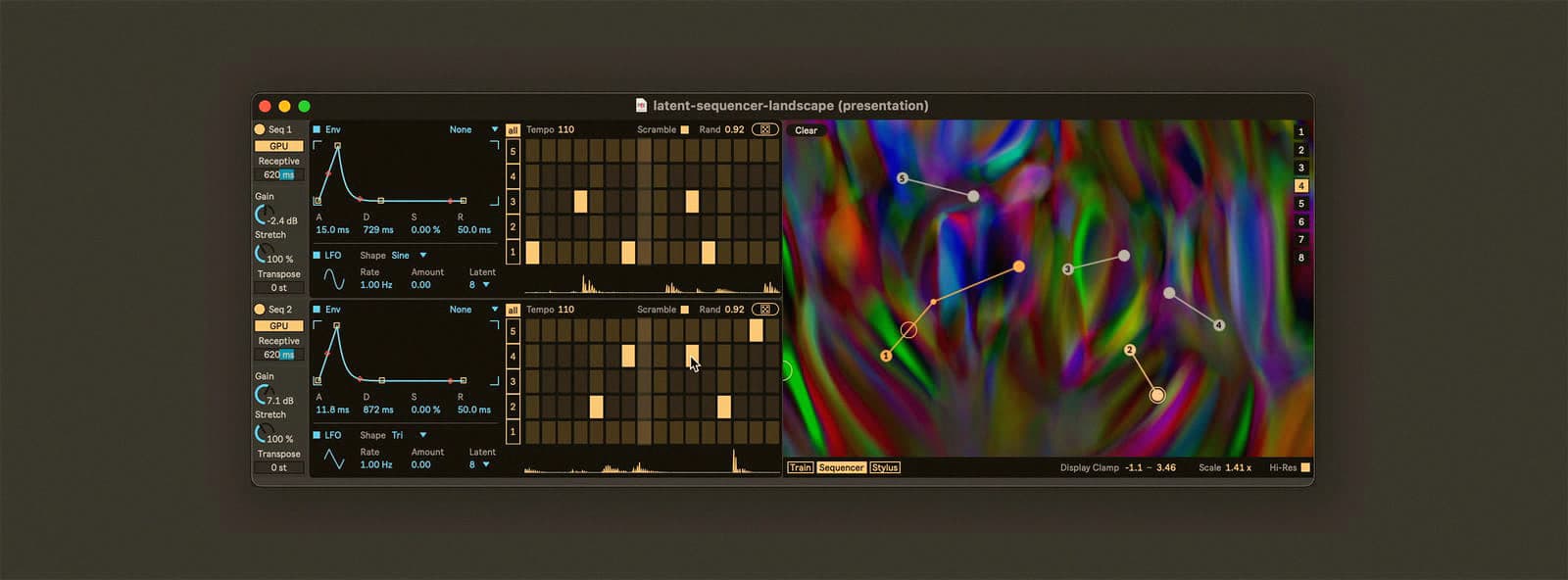
On August 18, on the hexagonal main stage of his own R² Festival in Spaarnwoude, Reinier Zonneveld handed part of the set to something that isn't a guest DJ. R2 is the name he gave the AI system he built to mirror his own musical instincts, and for the first time he treated it as a genuine back-to-back partner rather than a backing track or a party trick. Stage visuals told the crowd, in real time, whether Zonneveld or R2 had control of the mix. He never stepped away from his own gear: the Roland TR-909, SH-101 and TB-303 stayed live and running under his hands the entire time, with R2's contributions folded into that rig rather than taking it over.
How was R2 built, and whose music is inside it?
R2 didn't come from a generic dataset scraped off the internet. It was trained on more than 2,000 hours of Zonneveld's own original recordings and on material pulled from over 1,000 of his live shows spanning 15 years, meaning every pattern the model can draw on is Zonneveld's own back catalogue, not anyone else's. That distinction matters to him specifically because he has been vocal about the opposite problem in the wider industry: artists whose tracks get fed into AI models without consent or payment. Building R2 entirely out of material he owns is his answer to that fight, and a way to test AI's creative ceiling without borrowing anyone else's sound to do it.
"To my knowledge, no one else has tried a project like this." - Reinier Zonneveld
Does this settle techno's AI debate, or reopen it?
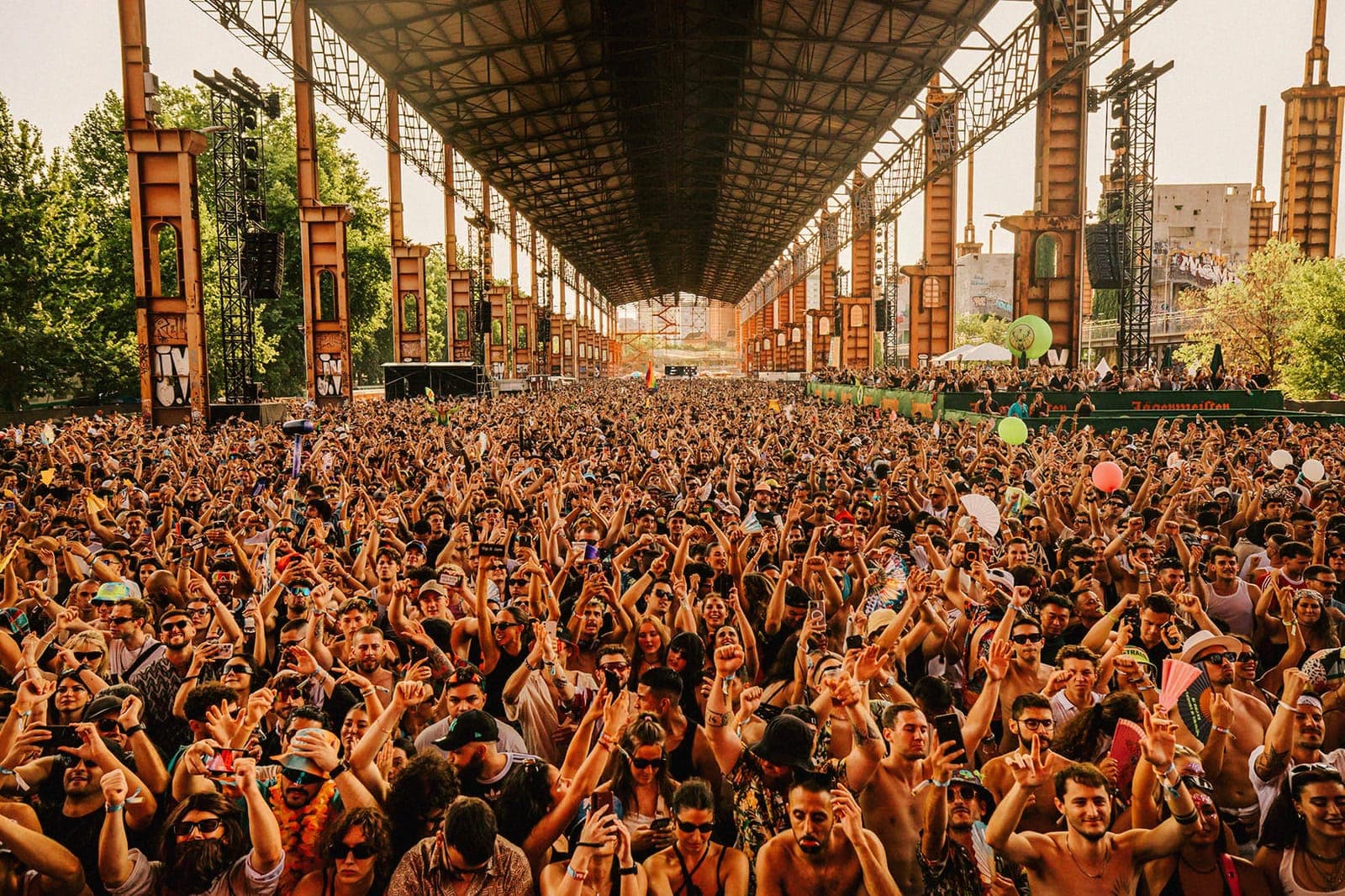
Techno has spent the last two years fighting AI mostly as an accusation: ghost-produced tracks passed off as human work, AI clones of DJs nobody asked to be cloned, labels quietly running models on music they don't own. Zonneveld's R2 is the opposite move. He owns the data, he's on stage the whole time, and the set only works because he has to react to what the model throws back at him live, in front of 16,000 people, with zero edits. That's a real argument that human reflexes still can't be replicated. But it's also a proof of concept, and once one of hard techno's biggest names shows a machine built from his own catalogue can hold a main stage, the pressure on everyone else in the genre to try something similar, with far less care about whose music trained it, starts now.
Why it matters
A hard-techno headliner just made the case, in public and on his own turf, that an AI trained on an artist's own work can share a stage with them rather than replace them, which sets a very different precedent than the ghost-production and unlicensed-clone scandals the scene has been fighting.