What actually happened to the SYSTEM-8?
Ten years after Roland launched it as the flagship of its Aira line, the SYSTEM-8 plug-out synth has quietly disappeared from the retailers that matter most. Thomann, Musicstore.de, Andertons, Sweetwater and Perfect Circuit no longer carry a listing for it at all. The handful of smaller shops still running a product page for it mark it out of stock, and gear forums have been flagging the same shortage across dealers for close to a year.
What Roland hasn't done is say anything. No discontinuation notice, no farewell post, no retirement announcement. The SYSTEM-8 is still sitting on Roland's own site as a current product, business as usual, even as new units stop reaching stores.
Where does the "SYSTEM-16" talk actually come from?
Nowhere official. There's no leak, no spec sheet, no filing behind the name "SYSTEM-16" that's been circulating on synth forums and gear blogs. It's fan speculation built on two coincidences: the SYSTEM-8 turns ten on September 10, 2026, a tidy date for a relaunch, and Roland's ACB modeling engine has room to grow. The original SYSTEM-8 ran its analog circuit behavior on three BMC chips, with space left on the board for more. Double the polyphony from eight voices to sixteen, the theory goes, and there's your successor.
Roland has confirmed none of it. That silence is the whole story.
Roland has said nothing about a new SYSTEM box arriving in September, next year, or ever. Anyone telling you otherwise is guessing.
What does this mean for ACB and plug-out synths?
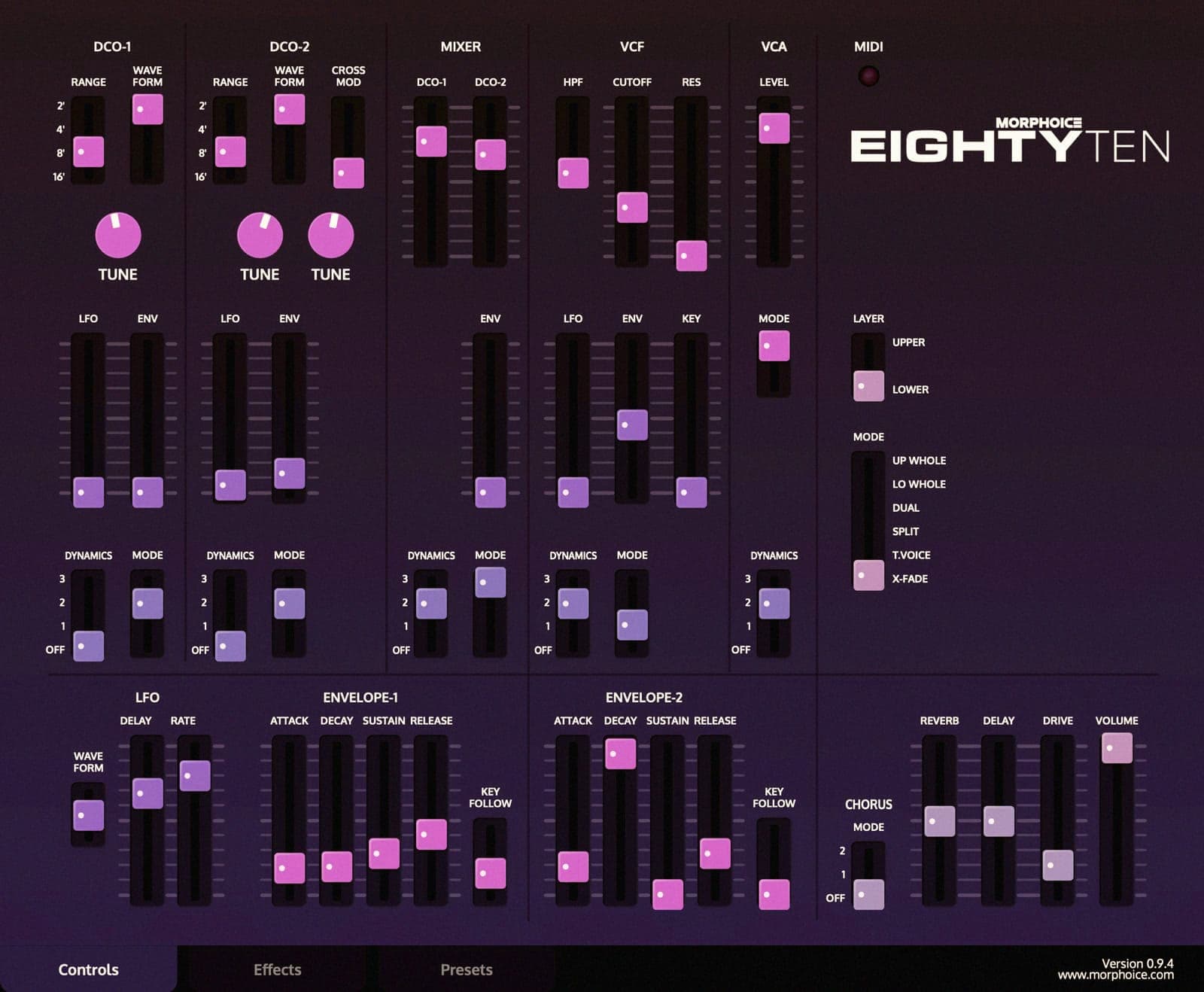
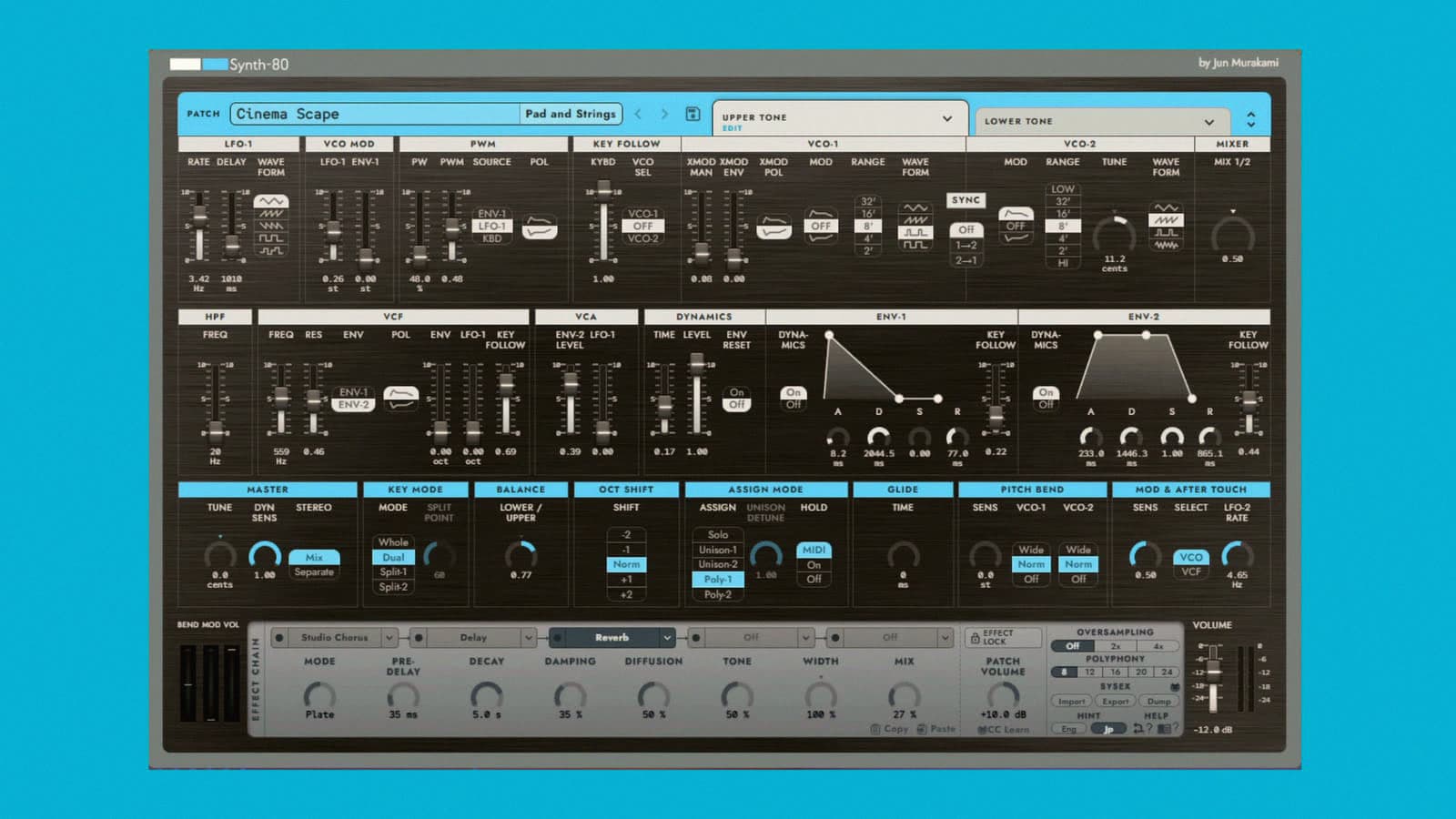
The ACB technology itself isn't disappearing. Roland's newest generation of it already powers the Fantom EX workstation, running on four BMC chips instead of the SYSTEM-8's three, proof the modeling engine keeps evolving even as the box that made it famous to house and techno producers goes quiet. What's uncertain is the plug-out concept specifically: loading JUPITER-8 and JUNO-106 emulations into hardware expansion slots, the feature that made the SYSTEM-8 a fixture in touring rigs built around classic Roland sounds.
For the producers who built a setup around those slots, Roland's silence has real consequences: no clarity on long-term repairs, no clarity on resale value, and no clarity on whether the plug-out concept survives in whatever comes next.