Attendee numbers fell well short of what was promised for Save The Rave, an open-air day rave built on '90s and club-classics nostalgia at The Royal Cornwall Showground in Wadebridge on September 12. What happened next is the part that travelled: the people who actually worked the event say they were never paid, and the people who ran it disappeared.
What actually happened at Save The Rave?
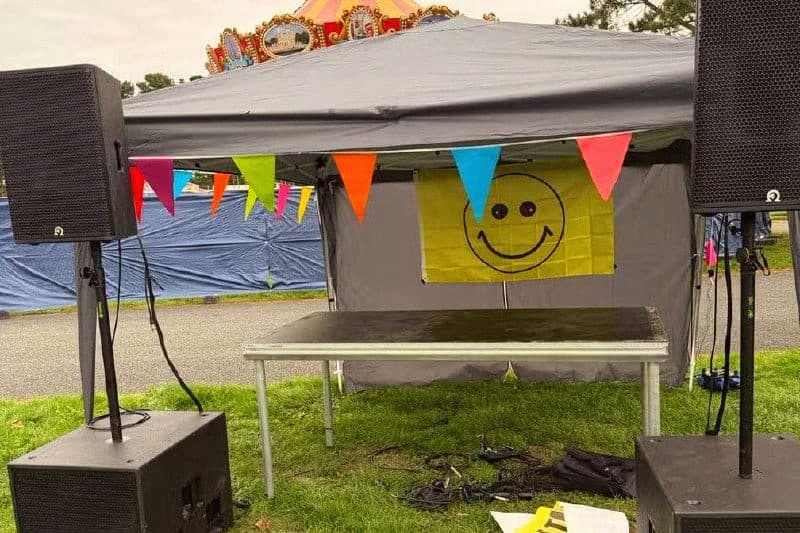
Booking agency Dyard Events represented 10 DJs and 2 dancers on the bill. Per Mixmag, the agency says none of them have seen a penny, and the organisers have gone dark: "They have not paid anybody, or responded to anyone's messages or calls. They just vanished without a trace." The performers didn't even get the stage they were promised: what greeted them was, in Mixmag's account, "simply a gazebo with a table underneath it," and they ended up laughing their way through their sets rather than walking off. Some had also been told they'd be put up at a Premier Inn; when they arrived, there was no booking on file. On site, drinks ran dry by 5:30pm, and attendees who did show up called it a "shit show" and an "absolute shambles."
"They have not paid anybody, or responded to anyone's messages or calls. They just vanished without a trace."
Who's actually left holding the bag?
The DJs and dancers are the headline casualties, but they're not the only ones. One vendor on site tells Mixmag they're £7,000 out of pocket, despite the organisers promising compensation, after putting significant time, stock and staffing into the day. That's the part of festival economics that rarely gets discussed outside the industry: a promoter can overpromise on turnout, underspend on infrastructure, and walk away, while the DJs, dancers, caterers and small traders who trusted the booking absorb the loss. Organisers have offered one line of defence, citing "serious safety concerns" over inadequate venue barriers as the reason they say they could not run the event safely, but that doesn't touch the unpaid fees or the vendor's bill.
Why does this matter beyond one Cornwall showground?
UK press reached for the obvious comparison and dubbed it Cornwall's Fyre Festival, the shorthand for a promoter selling a lifestyle promise that the infrastructure and the money never backed up. The scale here is nothing like the 2017 Bahamas debacle, but the mechanics are the same: a day rave sold on nostalgia and a single showground booking, with no visible cash reserve to cover artist fees or vendor contracts if the door numbers miss projections. It's a reminder that the DJs at the bottom of a lineup and the vendors setting up a stall are the ones with the least leverage and the least protection when an event goes wrong, and that a flashy nostalgia rebrand is no substitute for a promoter who can actually pay what they promised.
Why it matters
Unpaid DJ fees and a stranded vendor aren't a one-off mishap; they expose how thin the financial cushion is at the lower end of the UK's day-festival circuit, where performers and small traders carry the risk that organisers refuse to.
What we think
This is the least glamorous but most common failure mode in the festival business: not a headline-grabbing corporate collapse, but a small promoter who oversold a day out and had nothing left when reality didn't match the pitch. Booking agencies and vendors should be asking for deposits and written guarantees before Cornwall's next nostalgia rave gets pitched to them, because "vanished without a trace" is not a business plan anyone should accept twice.