What exactly is ending on November 21?
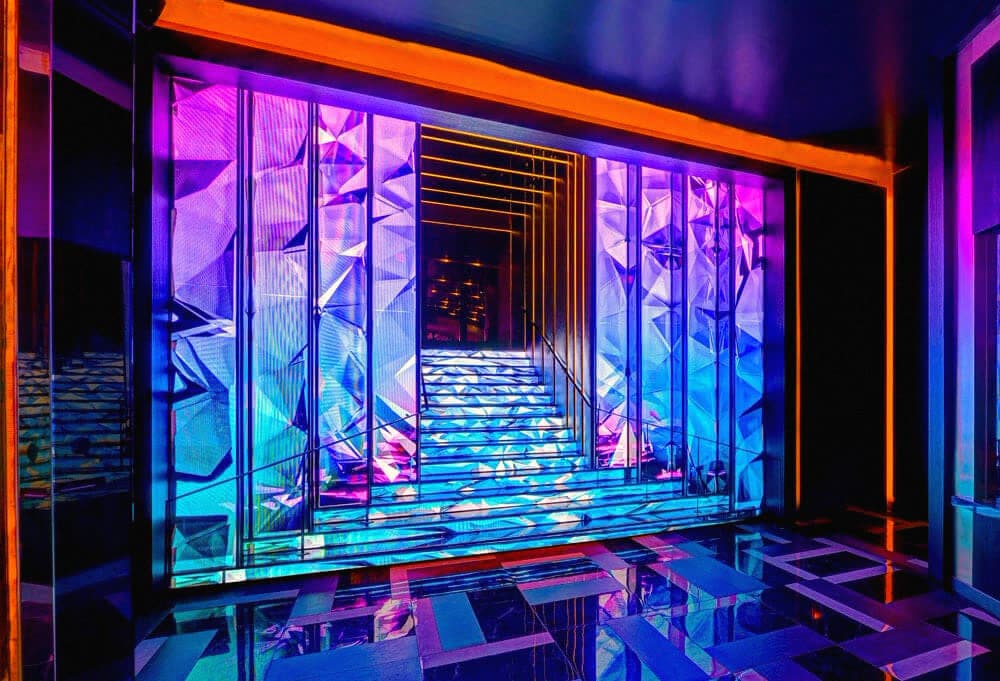
JEWEL will serve its last night on Saturday, November 21, 2026, closing right as the F1 Las Vegas Grand Prix brings one of the biggest tourism weekends of the year to the Strip. Local DJ Kid Conrad gets the closing set, not one of the global headliners who built the room's reputation. In its decade since opening May 19, 2016, the 24,000-square-foot, two-level room, built around more than 1,400 feet of LED ribbon and five themed VIP suites and holding roughly 1,925 people, hosted Usher, Drake, Bad Bunny, Karol G, Lil Uzi Vert, Playboi Carti, Steve Aoki, Kaskade and The Chainsmokers, plus championship parties for the Las Vegas Aces and the Golden State Warriors. MGM Resorts, which owns Aria, says it has no immediate plans for the space once JEWEL is gone. Aria's other nightlife, Easy's Cocktail Lounge, Lift Bar and the incoming Alibi Cocktail Social, keeps running on schedule.
Why does the operator's own ownership structure matter here?
JEWEL wasn't an independent club losing a lease fight. It has been run by Tao Group Hospitality since Tao folded in its original operator, Hakkasan Group, in 2021, a merger Tao's leadership framed as a major synergy play. Tao itself isn't scrappy either: in 2023, private investment firm Mohari Hospitality, controlled by PokerStars heir Mark Scheinberg, paid 550 million dollars for Madison Square Garden Entertainment's majority stake in Tao, plus other investors' pieces. That capital now backs most of the Strip's other marquee rooms: Omnia at Caesars Palace, Marquee at the Cosmopolitan, Hakkasan Nightclub at MGM Grand, and Tao at the Venetian. A company with that footprint and that funding still chose to let a ten-year anchor go dark rather than reinvest in or relocate it.
A company with Mohari's money behind it, controlling most of the Strip's other megaclubs, still chose to let a ten-year anchor go dark.
What does this say about the Strip's club circuit?
For bookers and promoters routing touring DJs and hip-hop acts through Vegas, JEWEL's exit shrinks the number of big rooms on one of the only US circuits still paying arena-scale guarantees for club dates. One fewer anchor means fewer slots, and fewer slots mean more leverage for the rooms left standing, Omnia, Marquee, Hakkasan, to hold the line on artist fees or squeeze promoters on minimums. It also signals that even inside the best-funded nightlife market in the country, the economics of a single-format 24,000-square-foot megaclub no longer clear the bar against smaller, lower-overhead lounges like the ones Aria is keeping open instead.