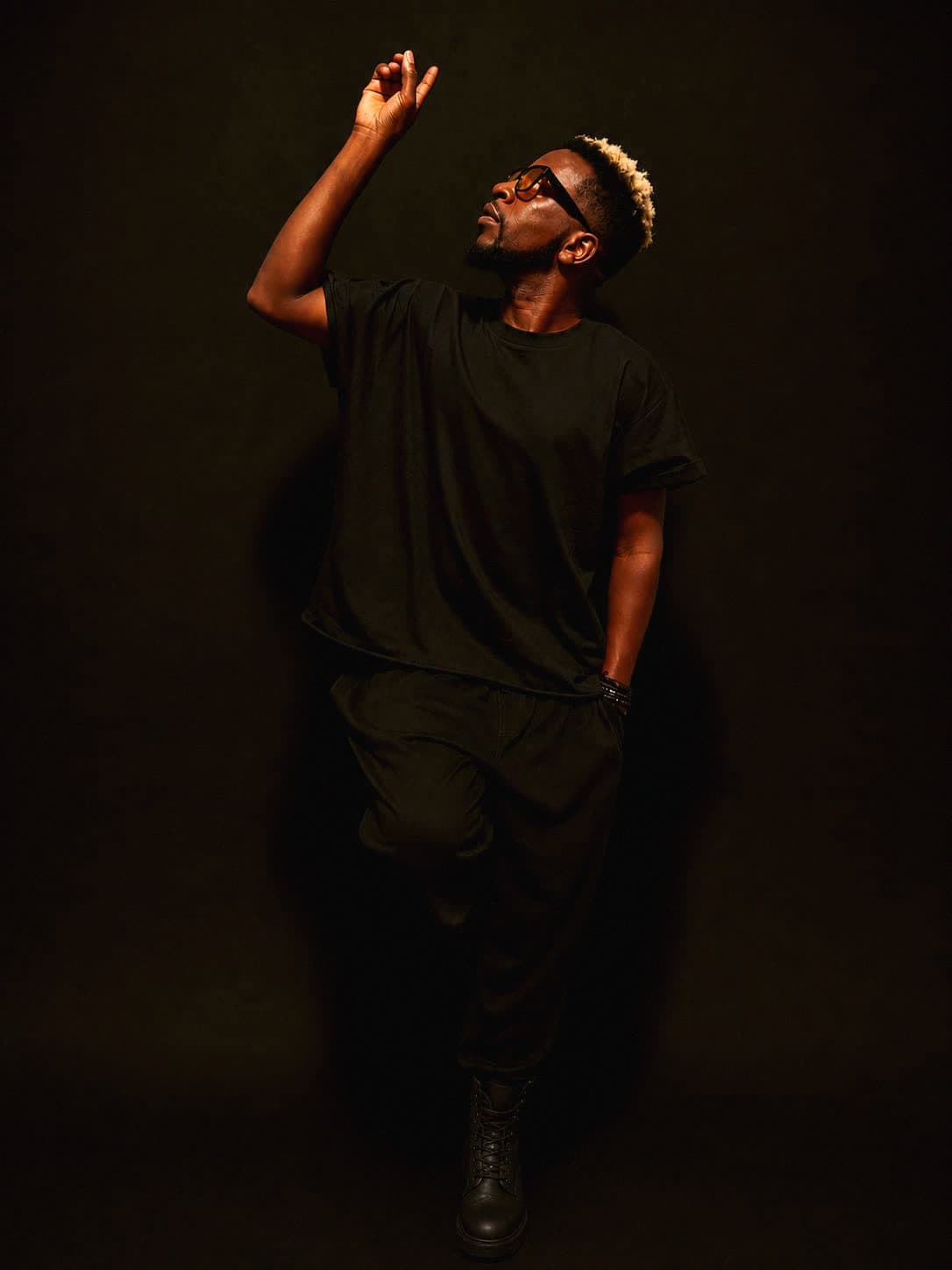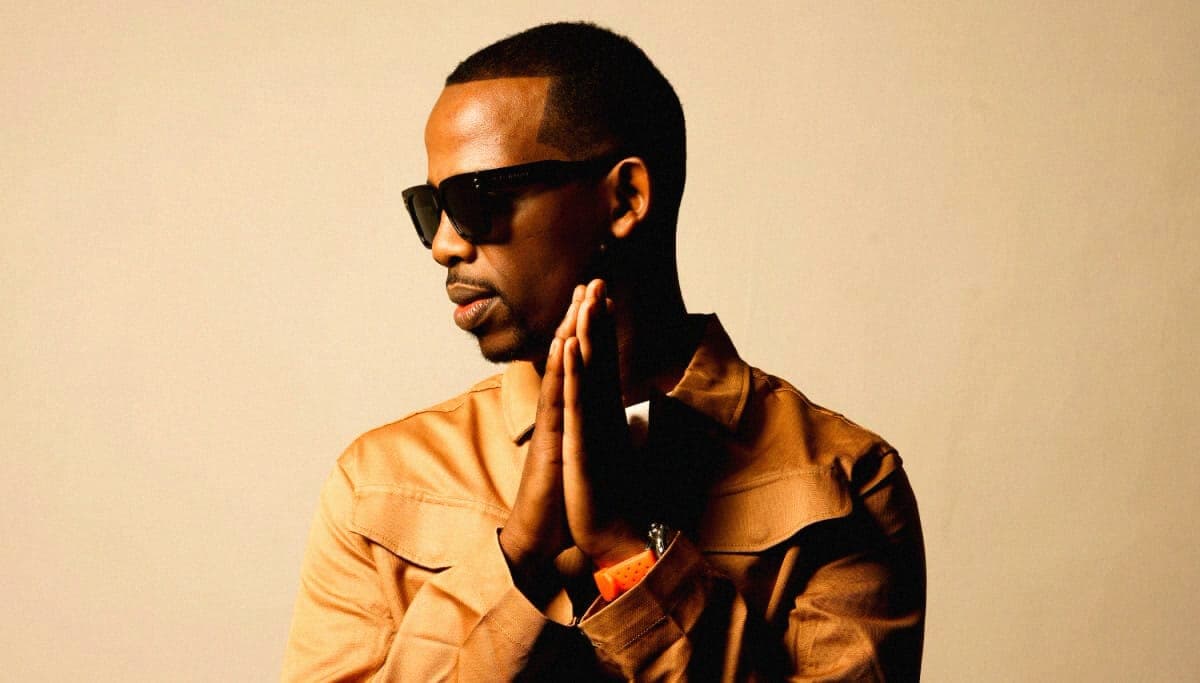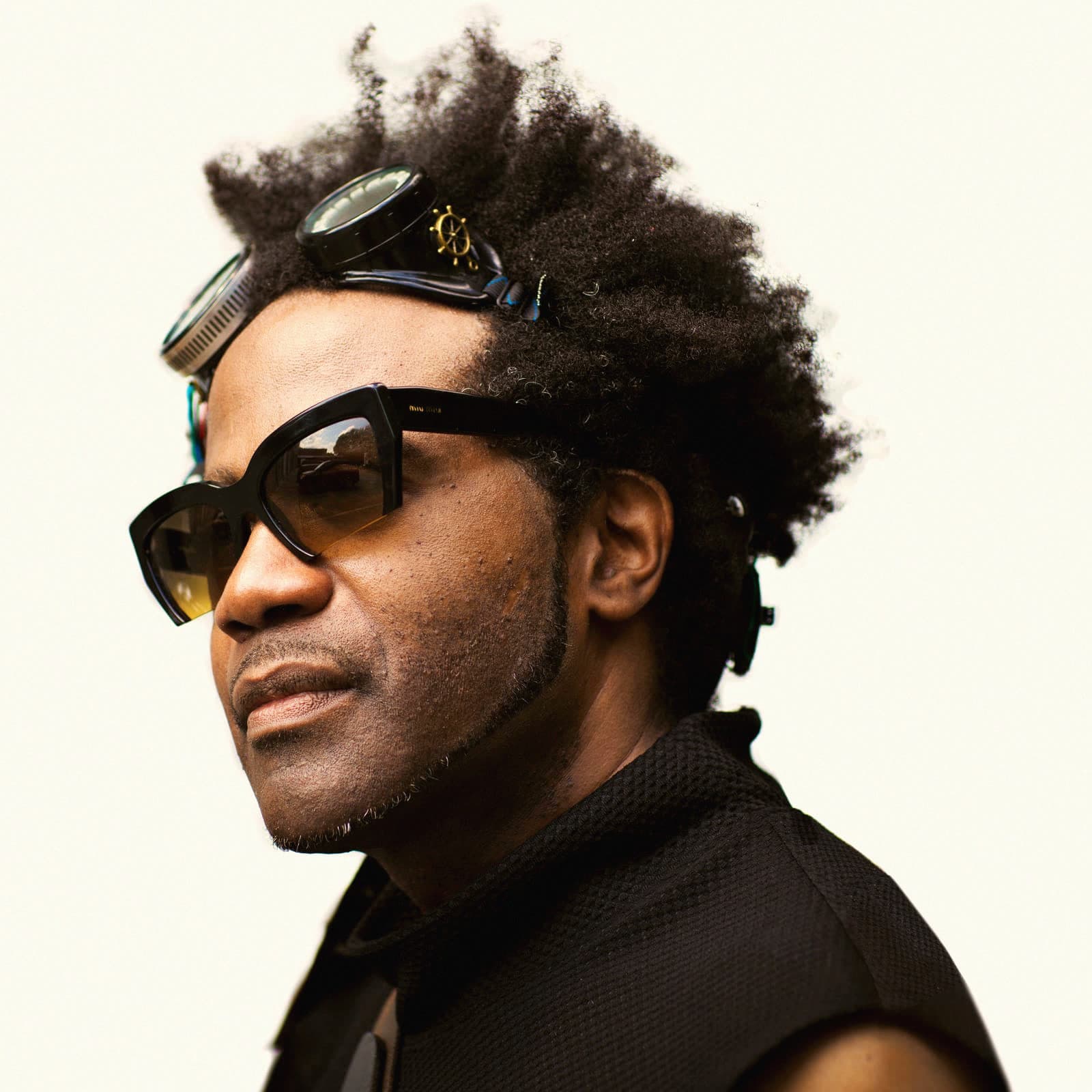
South African DJ and producer Shimza has weighed in on the growing debate over whether Africa needs to reclaim Afro House, arguing that while the genre comes from Africa, it should remain open to artists from around the world.
Speaking with Antonia Odunlami on Resident Advisor's RA Exchange, Shimza rejected the idea that Afro House should be exclusively reserved for African artists.
"It can never be not African because of where we know it comes from," he explained. "That's the foundation, but let's not hold on to that. Let's not be selfish about it."
For Shimza, Afro House's African identity is not something that needs to be protected through exclusivity. Instead, he believes welcoming different cultures, perspectives, and musical influences is essential to the genre's evolution.
"Let's have other people contribute to what we've created," he said, arguing that international participation could strengthen the scene rather than dilute its identity.
He pointed to the increasing number of Afro House artists touring Europe and the United States as evidence that the genre's international success is creating new opportunities for African talent.
According to Shimza, restricting Afro House events to African artists could eventually limit its growth, creating a scene dominated by familiar names and sounds.
By opening the genre to new influences, he believes Afro House can continue evolving while bringing greater visibility and opportunities to the African artists who helped shape it.
DJ Pierre responds: house music started in Chicago
Shimza's comments prompted a response from DJ Pierre, a founding member of Phuture and one of the pioneers of Chicago acid house, who challenged the idea that Afro House's musical foundations could be considered exclusively African.
"And Afro House came from House music and House music came from Chicago so how can it ever just be considered an African thing when it all started in Chicago?" Pierre wrote in Resident Advisor's Instagram comments.
For Pierre, the distinction is important: while Afro House developed its own identity in Africa, the house music from which it evolved originated in Chicago.
In another comment, Pierre argued that Afro House should not be treated as a completely independent genre, but rather as an evolution of house music.
"The foundation is not African. Anything (blank) house comes from house music," he wrote.
He went on to describe Afro House as a variation of the original house sound, questioning why its Chicago origins were being overlooked.
His comments reflect a broader concern about preserving the history of house music as its many subgenres gain international recognition.
While Pierre acknowledged what South Africa and Afro House have become, he maintained that the genre's musical ancestry cannot be separated from Chicago.
From Chicago to South Africa: the evolution of house music
House music emerged in Chicago during the late 1970s and early 1980s, developing through the city's underground club scene.
The Warehouse, where Frankie Knuckles became a defining figure, played a central role in shaping the sound and popularizing the term "house music."
Other Chicago pioneers, including Ron Hardy, Jesse Saunders, Marshall Jefferson, and DJ Pierre himself, contributed to the genre's development and expansion.
As house music spread internationally, artists began adapting it to their own musical traditions, local cultures, and creative influences.
In South Africa, the genre developed a particularly strong following, becoming deeply embedded in the country's music culture.
South African DJs and producers incorporated local rhythms, percussion, and musical influences, contributing to the development of distinctive house styles that helped shape Afro House.
Today, Afro House has grown into an internationally recognized sound, with African artists performing on some of the world's biggest stages and producers from different backgrounds contributing to its continued evolution.
Two perspectives on the same musical history
Although Shimza and DJ Pierre approach the conversation differently, their arguments are not necessarily contradictory.
Shimza is focused on the future of Afro House, emphasizing its African identity while encouraging international participation and creative exchange.
Pierre is focused on its origins, arguing that Afro House cannot be separated from the Chicago house music tradition that made its development possible.
Their perspectives highlight two different chapters of the same musical history: Chicago's creation of house music and Africa's contribution to its evolution into new sounds.
Recognizing Afro House as a genre developed and shaped in Africa does not require overlooking its Chicago house foundations. Equally, acknowledging those foundations does not diminish the creative contributions of African artists.
As Afro House continues to expand internationally, the conversation raises a question that extends far beyond one genre:
Can music belong to everyone while still honoring the places, communities, and pioneers responsible for its creation?