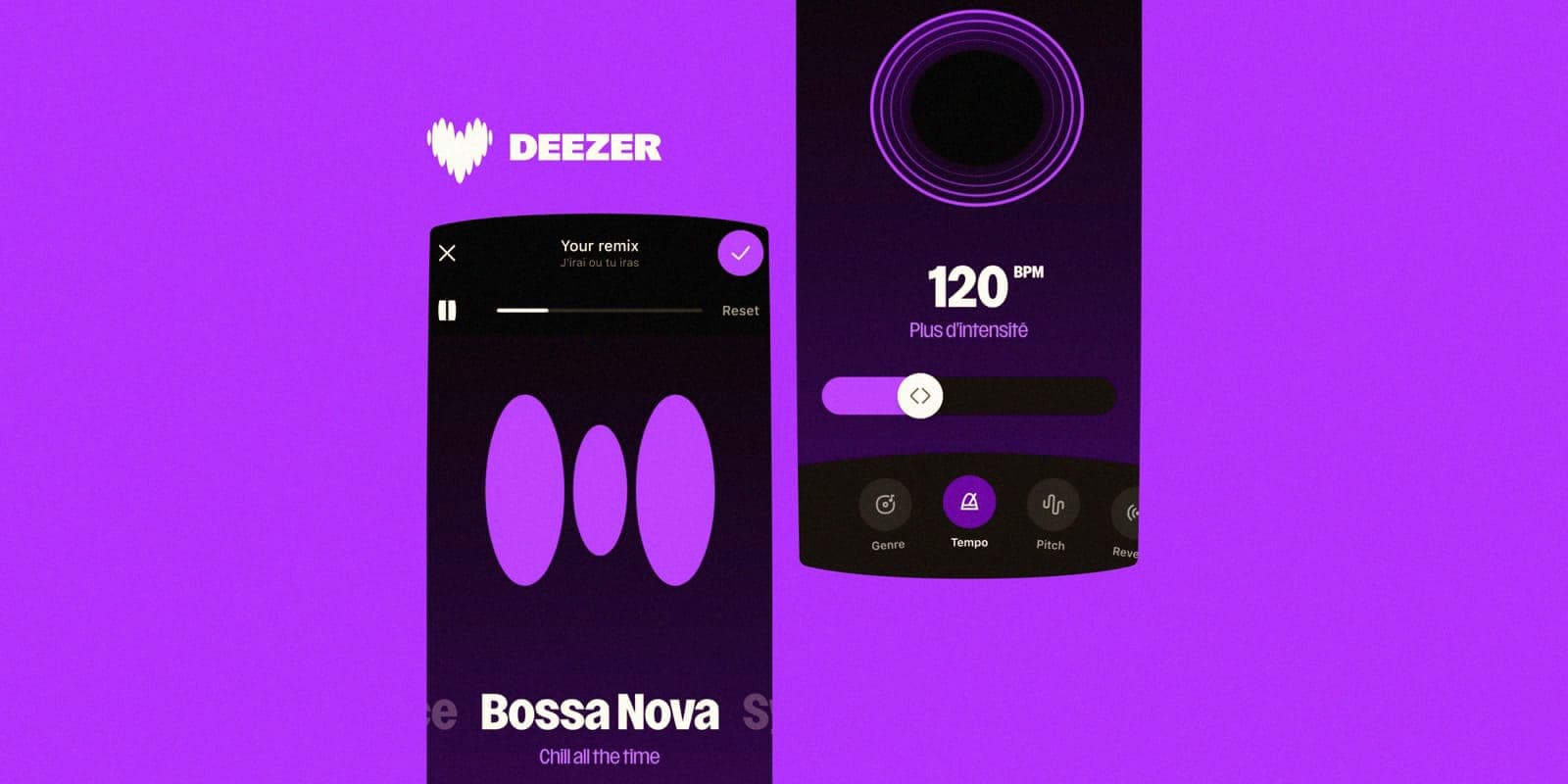
Spotify and Merlin announced a licensing agreement on August 4, 2026 that brings AI-powered fan covers and remixes to independent music for the first time. Merlin is the body that negotiates digital deals on behalf of more than 30,000 independent labels in over 70 countries, together accounting for roughly 15% of the world's recorded music. Until now, only Universal Music Group's catalog, licensed to Spotify back in May 2026, could legally feed the platform's remix tool.
What did Spotify and Merlin actually agree to?
The deal lets fans make AI-generated covers and remixes of tracks by participating Merlin member artists, packaged as a paid Spotify add-on rather than bundled into existing stream royalties. Spotify SVP and Global Head of Music Charlie Hellman said the agreement "ensures participating artists are credited and compensated, and that every creation drives listeners back to the original work." Merlin CEO Charlie Lexton framed it as giving member labels' artists "the choice to make their music available as part of this exciting technology, while ensuring the opportunity to participate in an additional revenue stream." Participation is opt-in on a per-artist basis, and every AI creation carries a credit back to the original recording.
Why does this matter for independent house and techno labels?
A huge share of underground house and techno catalog runs through Merlin-affiliated distributors, which is exactly the population this deal now covers. Before this, unofficial AI remixes and mashups of underground tracks were already circulating on YouTube and TikTok with zero credit and zero payment to the label or artist; this deal is the first formal channel where that same appetite for fan remixes turns into a licensed, paid, credited transaction instead of an uncontrolled bootleg. For a scene built on white labels, edits and unofficial remixes as a culture, that is a real shift in how the underground's relationship to derivative works gets priced.
What should independent labels watch for?
The opt-in structure means no label is forced in, but it also means the label (or the artist directly, depending on contract terms with the label) has to actively decide whether AI remixing of a specific catalog is worth the new revenue against the risk of diluting the original mix, especially for tracks whose whole value is a specific groove or arrangement. Neither Spotify nor Merlin has published the actual royalty split or how compensation is calculated, so labels evaluating whether to opt in are being asked to say yes before those mechanics are public.
"This agreement with Merlin ensures participating artists are credited and compensated, and that every creation drives listeners back to the original work.", Charlie Hellman, Spotify SVP and Global Head of Music