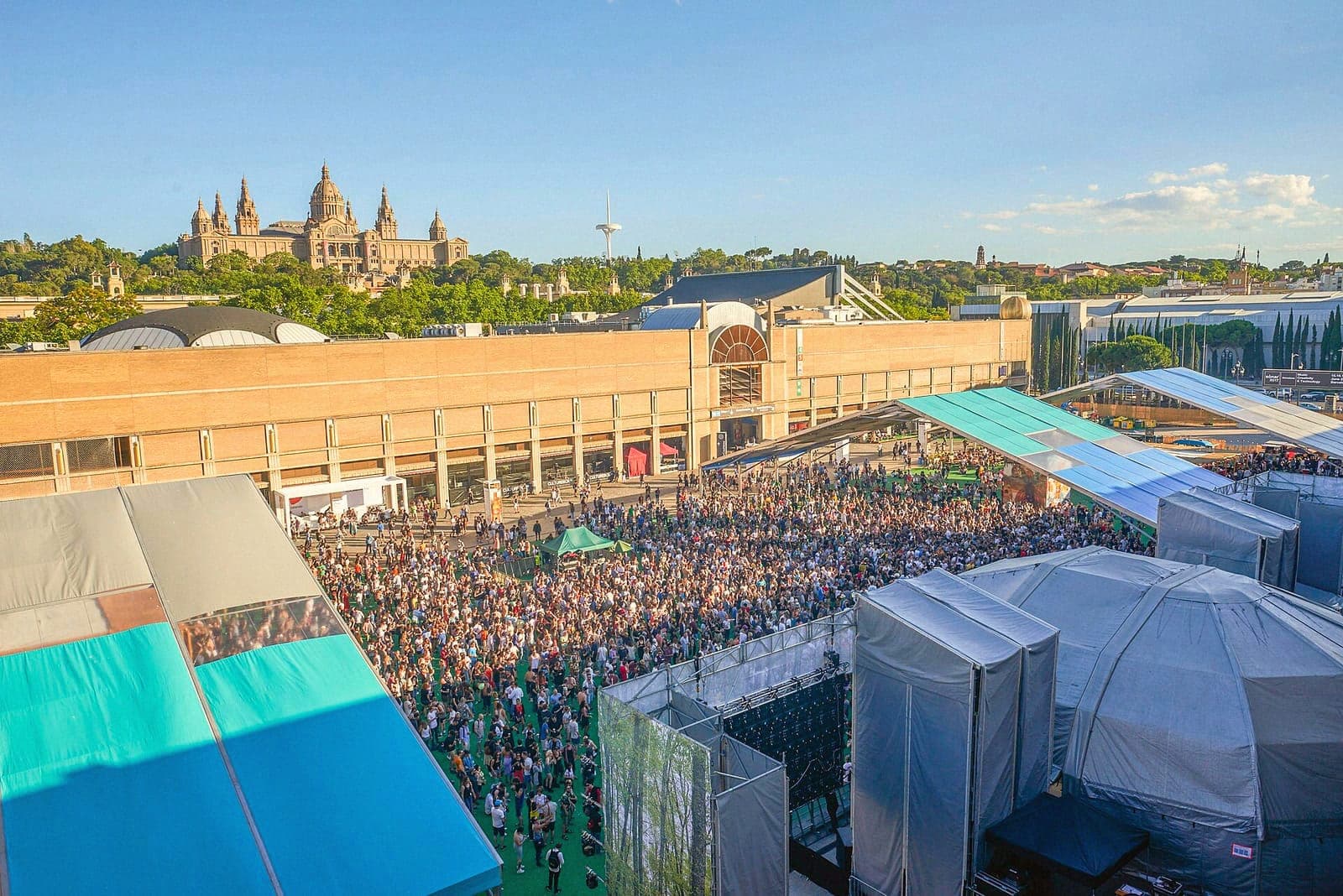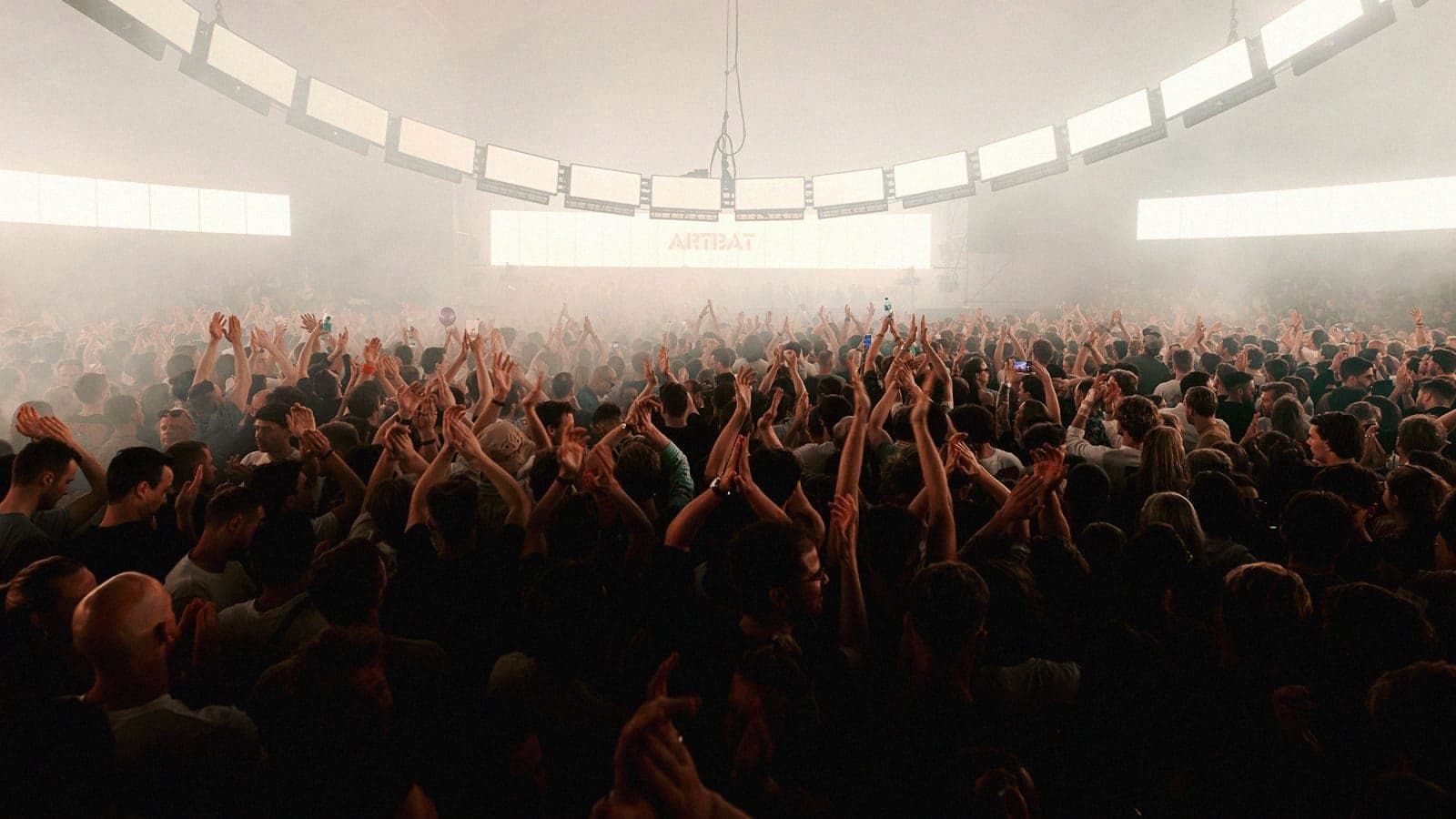
Three Dutch dance-music institutions are gone, and the fourth just lost the right to run itself. That is the actual shape of what Superstruct Entertainment is calling a "portfolio optimisation process."
The KKR-owned festival conglomerate has dissolved Apenkooi Events, the ID&T-linked outfit that has organized DGTL since Superstruct's ID&T Group bought a shareholding in the Apenkooi group in 2022. STRAF_WERK, Pleinvrees, Amsterdam Open Air and the smaller Vunzige Deuntjes brand are discontinued outright. STRAF_WERK, a fixture of the Dutch clubbing calendar, already played its final edition on December 27, 2025.
Why does DGTL get folded into its own rival?
DGTL survives, but not as an independent entity. From May 1, 2026, its programming, booking and production pass to Monumental, the operating company behind Awakenings, Superstruct's flagship techno brand. In practice, one of Europe's most respected house-and-techno festivals, known for a curatorial identity distinct from big-tent techno, now shares staff, booking pipelines and marketing machinery with the very brand it used to be judged against.
A Superstruct Netherlands spokesperson framed the whole move in a single line: "We regularly review our portfolio to determine where to focus our resources and investments." That is standard private-equity language for consolidating headcount and cutting anything that does not clear a return threshold, applied here to a scene that built its reputation on the opposite instinct: small teams, specific bookings, a festival that felt like it belonged to someone.
What does this say about PE ownership of festivals?
STRAF_WERK and Pleinvrees were never mega-festivals. They were the kind of mid-size, specifically-Dutch events that give a national scene its texture between the headline bookings. Their removal, alongside a folded-in DGTL, is what "efficiency" looks like when applied to a festival portfolio bought with leveraged capital: distinct identities get merged into whichever brand already has the biggest infrastructure, and titles that cannot justify their own P&L simply stop.
"We regularly review our portfolio to determine where to focus our resources and investments."
Gardens of Babylon is the one other Apenkooi-linked brand spared in the cut, continuing inside the restructured Superstruct Netherlands setup.
Why it matters
When a private-equity owner absorbs a festival's identity into its own competing brand rather than letting it fold entirely, it signals the acquisition was never about preserving what made the event distinct: it was about the booking relationships and the audience, both of which now feed the parent's flagship product.
What we think
Calling this "portfolio optimisation" is honest in its own cynical way: it tells you exactly how Superstruct sees a festival like DGTL, as a line item to be reallocated rather than a curatorial project to protect. The scene should watch whether DGTL's booking still feels like DGTL a year into Monumental's control, or whether it quietly becomes Awakenings with a different logo.