Why does today's biggest DJ owe their career to somebody nobody's ever heard of?
Every international DJ you follow has one of these people in their history: a friend who filmed a set on a phone, a promoter who gave them a slot nobody else wanted, a mate who tagged them in a post that took off. Boiler Room is proof at platform scale. In October 2010, founder Blaise Bellville duct-taped a webcam to the wall of a small East London loft and livestreamed a set by Mount Kimbie to a room of maybe 10 to 30 friends. There was no funding and no plan, just people who wanted a record of a night worth remembering. That webcam feed is now one of the most cited platforms in electronic music, and its origin story is not about talent scouting. It is about somebody deciding a friend's set deserved to be seen past the room it happened in.
That is the part of the DJ pipeline nobody puts in a press release: before any label, agency or platform “discovers” an artist, a local scene already decided they were worth the room. Skip that layer, and there is nothing left for the industry to find later.
Why does a scene outlast any one person's big break?
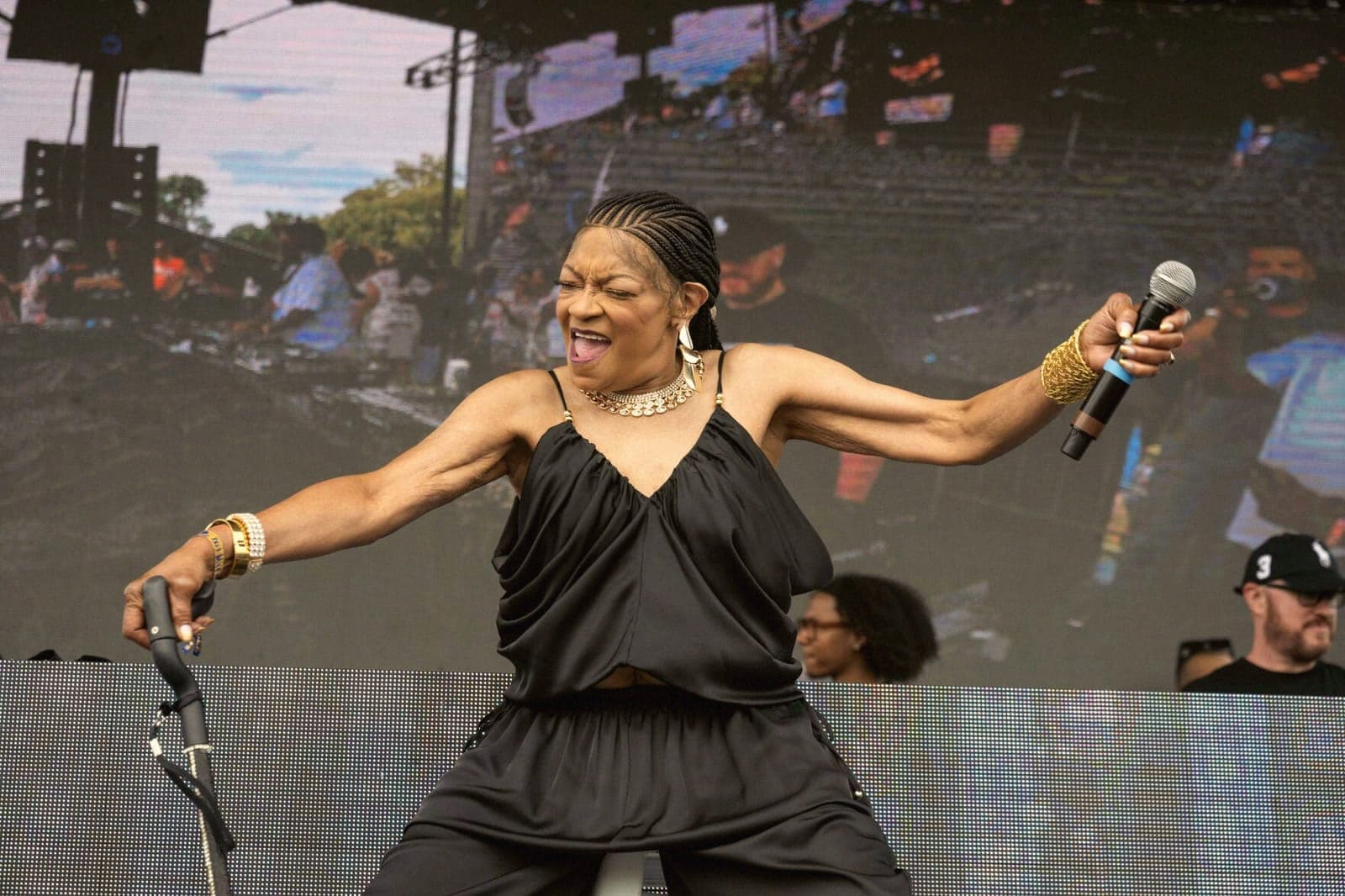
Chicago's Chosen Few Picnic makes the same point on a longer timeline. In 1990, brothers Andre and Tony Hatchett invited friends to a family reunion picnic behind the Museum of Science and Industry in Hyde Park. Among the DJs who showed up and kept coming back were Wayne Williams, Jesse Saunders, Alan King, Mike Dunn and Terry Hunter, house music names now spoken with the same reverence as any club legend. Thirty-plus years later, the picnic draws tens of thousands of people every July, and the Chosen Few DJs collective still headlines it.
No single person built that alone, and nobody involved was trying to. A picnic survives on people showing up for each other summer after summer, not on one artist's viral moment. That is the actual difference between a scene and a lucky break: a scene keeps producing names long after the first ones become famous.
What happens when your local scene backs the right person?
Amsterdam's Jyoty shows the same mechanism still works, just faster now. She went viral on TikTok before she even had an account there, after someone in the crowd at one of her sets posted a clip online.
“I went viral on TikTok before I even had a TikTok account; someone posted a clip of my Boiler Room set, and it went viral.”
Jyoty, to Nylon, June 2024
Before that clip, somebody local had already made a bet on her: BBC radio host Jamz Supernova, a friend, booked Jyoty for her first DJ set and gave her two weeks to learn how to mix. She bombed that first gig. It did not matter. Somebody had already decided she was worth the booking, and that one favor is the reason there was a Boiler Room set to film in the first place.
The UK is now trying to fund that exact layer directly. The Liveline Fund opened for applications on 21 July 2026, run by Music Venue Trust, Save Our Scene and the Association of Independent Promoters, backed partly by Coldplay donating 10% of the proceeds from their 2025 UK stadium tour plus a ticket levy from arena and stadium shows. Its job, in Music Venue Trust chief executive Mark Davyd's words, is to help the industry “get shows happening” and “reignite” towns and cities outside the handful of markets that already get all the attention. That is an institutional version of the bet a friend with a webcam, a radio slot or a Sunday DJ table has always made on somebody local, before the rest of the industry ever notices.