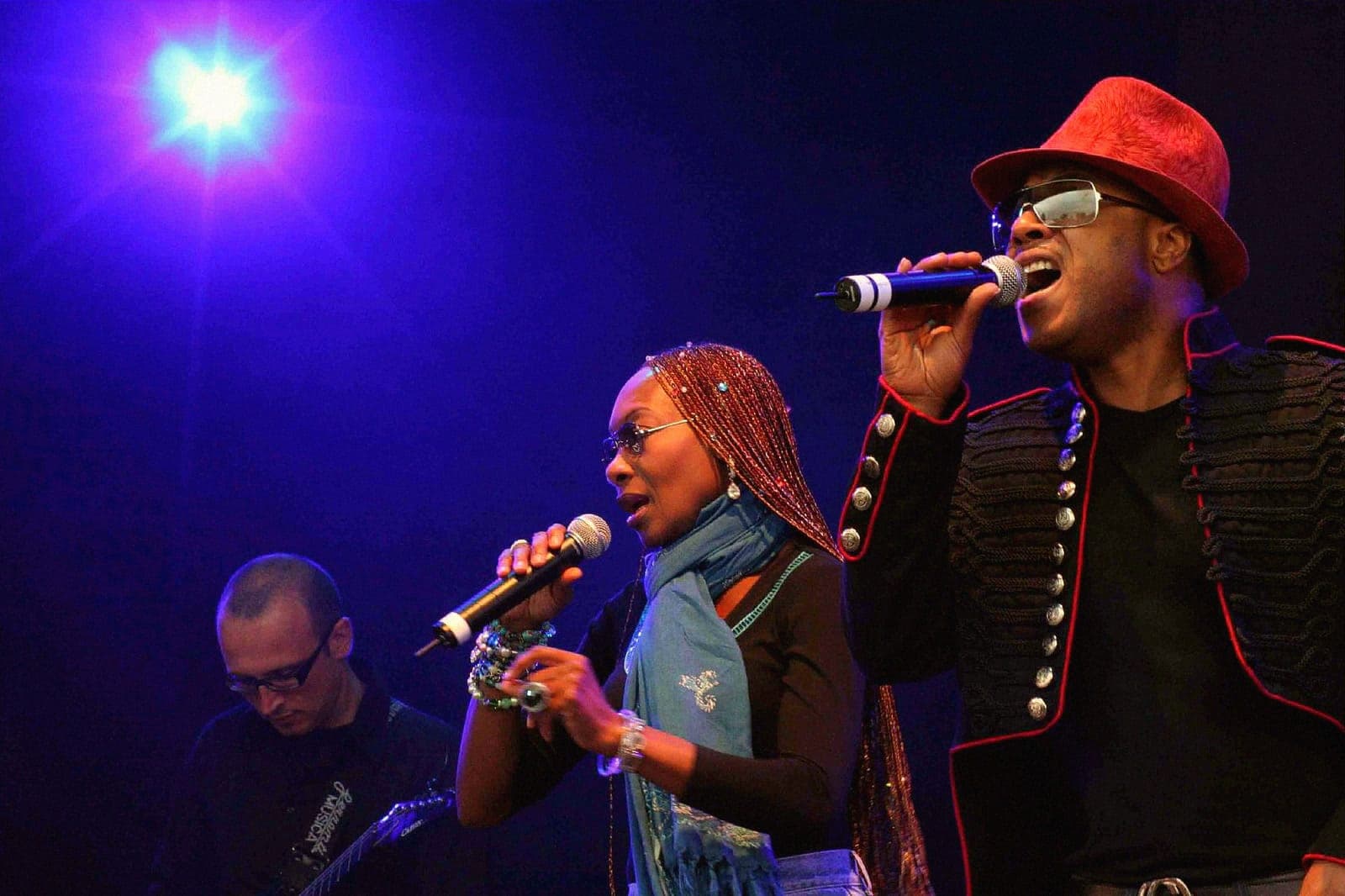
What did SZA actually say?
It started, as these things now do, with a phone and a screenshot. SZA posted that 238 of her songs had turned up in the data used to train AI music generators, Suno and Udio among them, and that nobody had asked her. Then she went further and called the musicians feeding those tools disgusting. For an artist who built a catalogue with rooms full of writers and producers, the number is the point: this is not one leaked demo, it is a body of work.
Why drag Diplo into it?
Because she named a name the dance world knows. SZA wrote that Diplo has equity in Suno and is actively trying to train it on, as she put it, the best and brightest Black minds of writers and producers. Diplo pushed back fast. He said he is definitely not an equity investor, that there are a hundred apps doing what Suno does, and that the villain is not the tech, the technology is just technology. He has put money into AI before, into a research startup called Aaru earlier this year, but he insists that is a different company and not Suno.
Why does this matter for the underground?
The AI training fight has mostly been argued in the language of lawsuits and label memos. SZA dragged it back to the studio floor, to the writers and producers whose stems are the raw material these models eat. That is exactly where house and its neighbours live: session players, ghost producers, the people whose names are in the small print. They have the least leverage and the most to lose, and very little of the licensing money now changing hands between platforms and majors will ever reach them.
The labels are negotiating. The lawyers are billing. The producers are watching their own sound get fed back to them as a subscription.