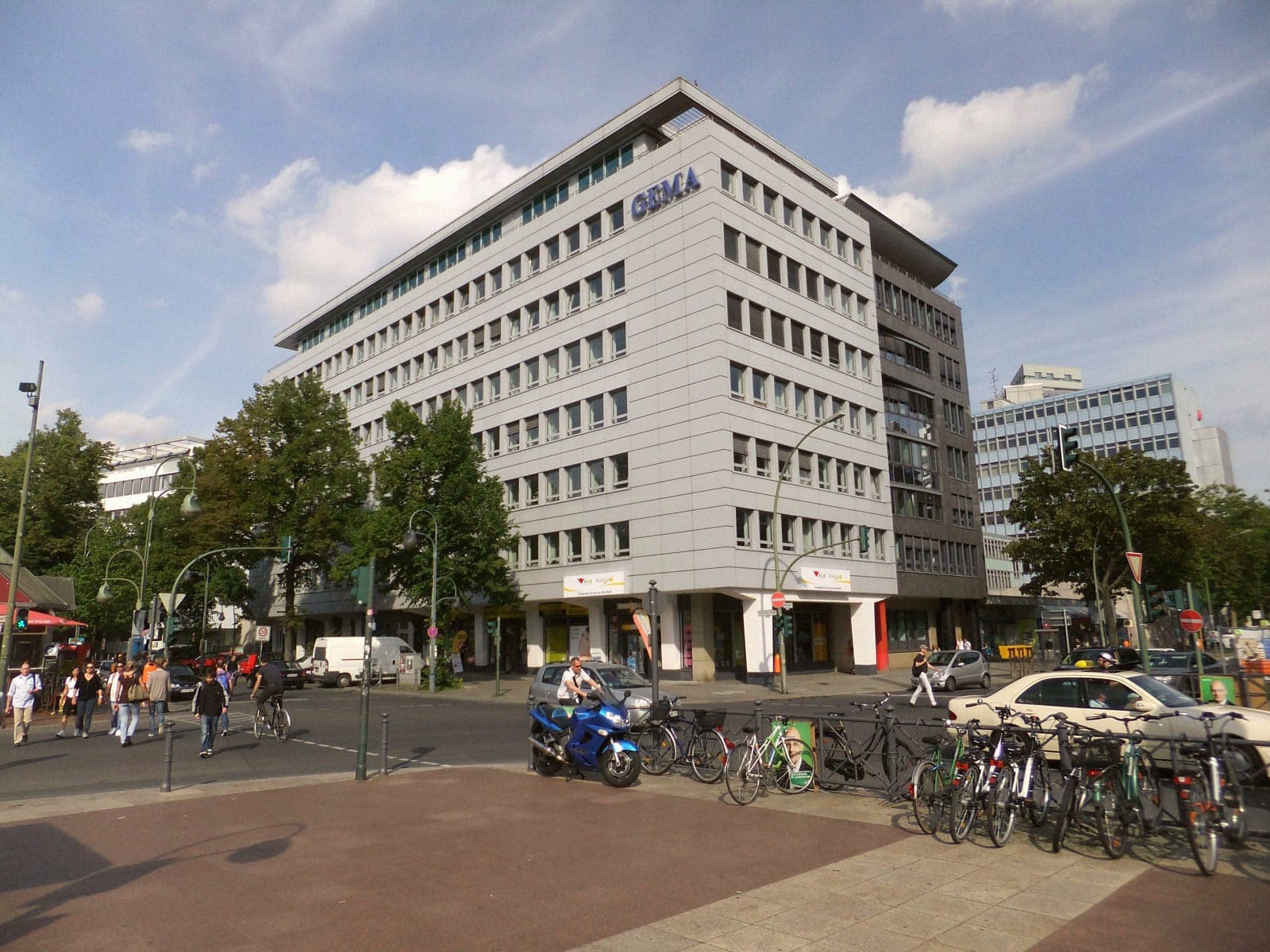
GEMA didn't sue Suno over a hypothetical. The German collecting society built its case around specific outputs: AI-generated tracks that judges at the Munich Regional Court found reproduced the melody, harmony and rhythm of songs GEMA's members actually wrote. The court's ruling cites resemblances to Alphaville's 'Forever Young', Lou Bega's 'Mambo No. 5' and Boney M.'s 'Daddy Cool', three of the most licensed, most sampled, most recognisable songs in German pop history. That's not a coincidence. GEMA picked evidence a judge could hear for themselves.
What did the court actually order?
The ruling is narrower than the headlines suggest, and that's exactly what makes it dangerous for Suno. The Munich court didn't fine the company a headline number and move on. It ruled that Suno's training practices, as applied to GEMA-represented catalogue, infringe copyright, and it ordered the company to disclose its revenue history and pay damages. The damages figure hasn't been made public. What's confirmed is the mechanism: Suno now has to open its books on what it earned off a training process a German court says was unlawful, and pay for what it took without a licence.
Suno disputes the ruling and plans to appeal, and the company is valued at 5.4 billion dollars, so this is not a settlement that ends the fight. It's the opening ruling in what will likely be a multi-year appeals process, the same shape as the record labels' ongoing US suits against Suno and Udio.
The court found Suno-generated tracks closely matched copyrighted compositions in melody, harmony and rhythm, evidence GEMA built its case around.
Why does a German ruling matter to a global scene?
GEMA represents roughly 95,000 rightsholders inside Germany and more than 2 million worldwide through reciprocal deals with sister societies, the same kind of infrastructure that pays out mechanical and performance royalties every time a track gets played, synced or sampled legitimately. That's the system Suno's training pipeline bypassed, according to the court. For house and techno producers who license through GEMA, SACEM, PRS or ASCAP, the ruling is the first time a court has said, in a judgment rather than a press release, that an AI generator has to play by the same licensing rules as a sampler, a remixer or a streaming platform.
It doesn't automatically bind courts outside Germany. But it's the first full-scale European ruling on the substance, not a settlement, not a policy statement, an actual court finding Suno's training infringed. Every other jurisdiction weighing similar suits, including the label cases in the US, now has a precedent to point at.