What exactly did Sziget build for techno?
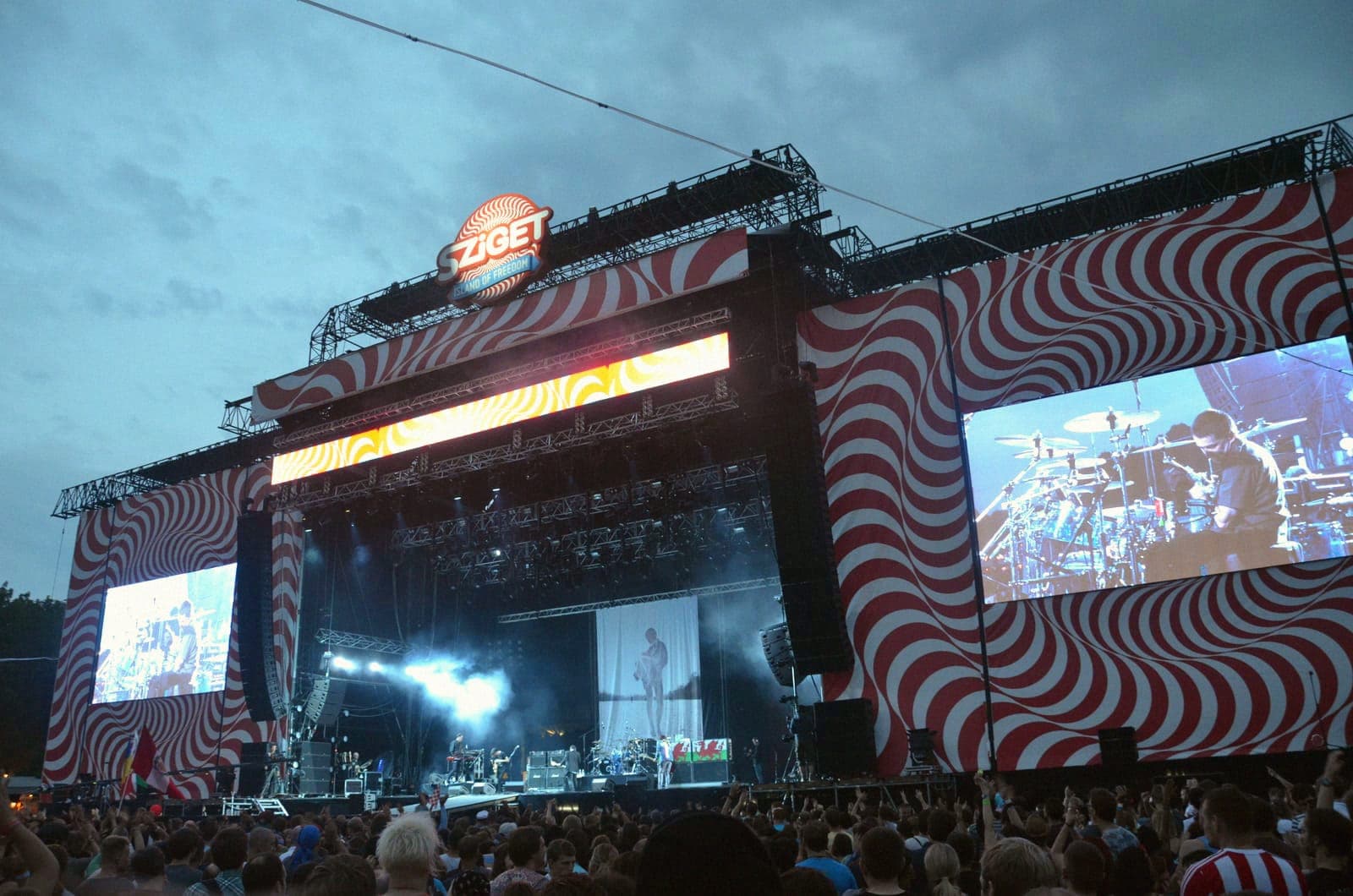
The Yettel Colosseum is a 360-degree, open-air arena built from scratch for techno and house inside Sziget Festival's Delta District. Hungarian design firm Hello Wood built it out of 4,400 wooden pallets: a nine-metre-tall structure with a 40-metre outer diameter, topped by what the festival calls a "giant gladiator-headed" stage. Inside, more than 1,000 square metres of dancefloor hold over 3,000 people at once, all facing the DJ booth from every angle.
It anchors the wider Delta District, the electronic music quarter that debuted at Sziget in 2025 and expanded for 2026 into three venues: the Colosseum itself, the BOLT Night Stage and The Club, running programming into daylight every night of the festival.
Why does an indie-rock festival need a techno colosseum?
Sziget built its identity as the "Island of Freedom": five days of alt-rock, indie and pop headliners on Óbuda Island, with electronic music historically confined to smaller side tents running, in the festival's own words, "from Balkan brass to techno until sunrise." A purpose-built arena with its own construction budget and production crew, dedicated solely to house and techno, is a different order of commitment: real infrastructure, not a late-night footnote.
The names filling it matter too. Peggy Gou, Dixon and Richie Hawtin are scene-credible bookings, not EDM headliners chasing a big-festival paycheck, and their presence on a rock-and-pop festival's flagship poster is itself a signal of how far house and techno have travelled into mainstream festival programming.
Who's on the bill, and is Sziget serious about it?
More than 100 acts play across the Delta District's three venues in 2026, including Peggy Gou, Dixon, Richie Hawtin, Argy, Anfisa Letyago, Sara Landry, Joris Voorn and WhoMadeWho. Sziget Festival CEO Tamás Kádár frames it as a standing commitment, not a one-off experiment:
"With the Delta District, we've taken Sziget's nightlife to a new level, celebrating the energy and diversity of global electronic music culture. From sunlit sets at the Colosseum to dancing into the early hours, it's a 24/7 experience for electronic music fans."
Sziget 2026 runs August 11-15 on Óbuda Island; the festival closes out its final day today.