Half of the most influential electronic act of the last three decades just drew a hard line on AI, and he did it without raising his voice.
At Art Basel on August 5, Thomas Bangalter sat down with CHANEL's Yana Peel for a public conversation that ranged from his post-Daft Punk orchestral work to a new immersive project. Buried in the middle of it, he answered the question every producer in the room has been asking themselves: does AI have a place in his creative process?
What exactly did Bangalter say about AI?
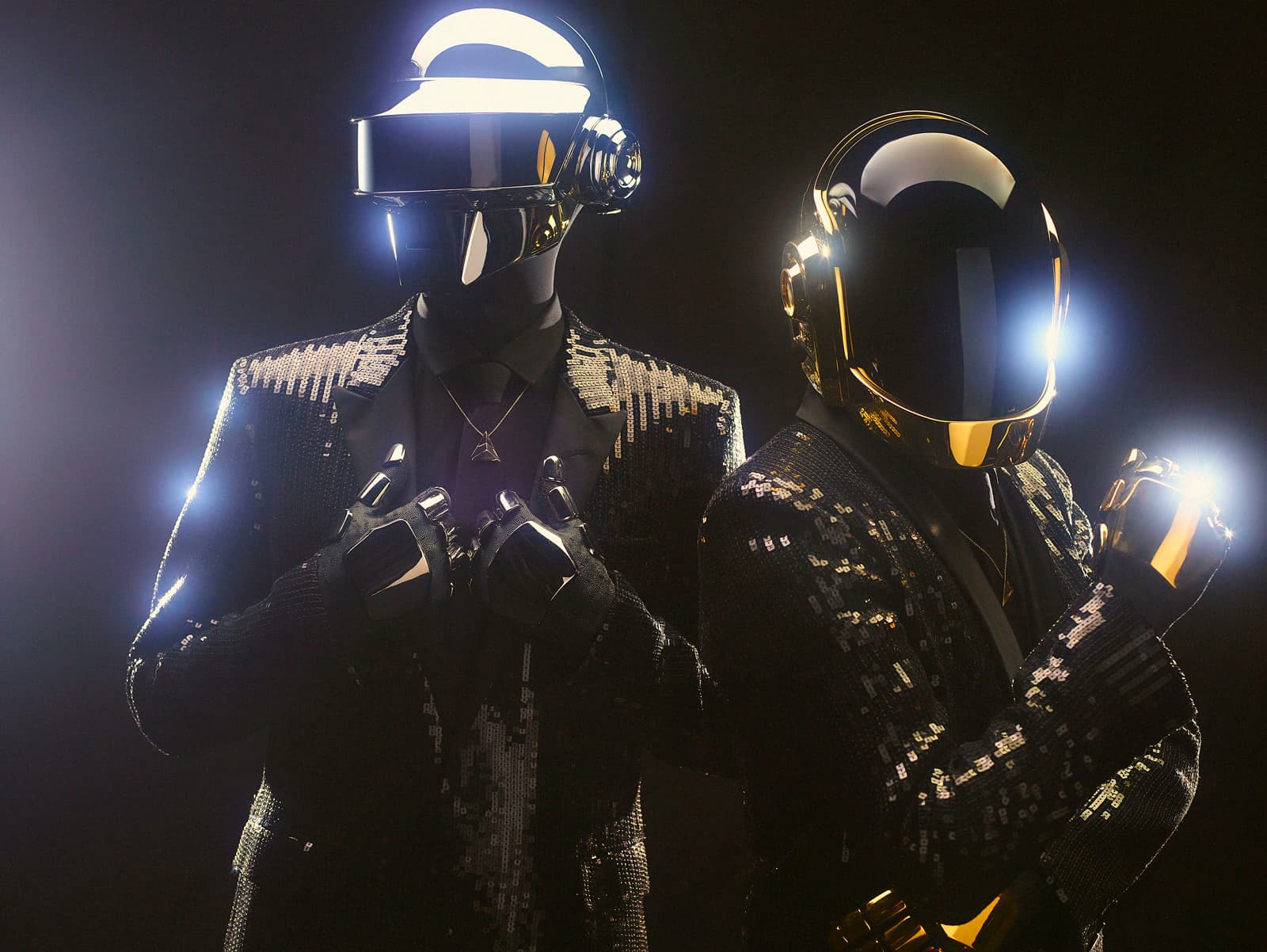
His answer was blunt. "I'm not really interested in the creative usage of artificial intelligence for many reasons," he told Peel. It's not a throwaway line: Bangalter is one half of a duo that spent 28 years building a mythology around machines, robots and technology as artistic tools, from vocoders to helmets. Coming from him, a rejection of AI as a creative instrument carries different weight than the same sentence from a producer nobody's heard of.
Why does he think words are the problem?
Bangalter's reasoning is specific, not reflexive. He described his own creative process as operating at a level that "does not express itself through words," and argued that the most valuable part of making art happens through emotional understanding, not intellectual or verbal expression. AI tools, by contrast, run entirely on prompts: you type what you want, in language, and the system interprets it. For Bangalter, that dependence on verbal instruction is precisely the ceiling. If the work that matters most can't be described out loud, it can't be prompted into existence either.
"I'm not really interested in the creative usage of artificial intelligence for many reasons."
He pushed the same logic toward architecture, calling it "probably the most creative form of all art forms" for the way it merges fiction and physical reality, a comparison that says a lot about what Bangalter actually values: work you inhabit, not work you describe.
What has Bangalter been doing since Daft Punk?
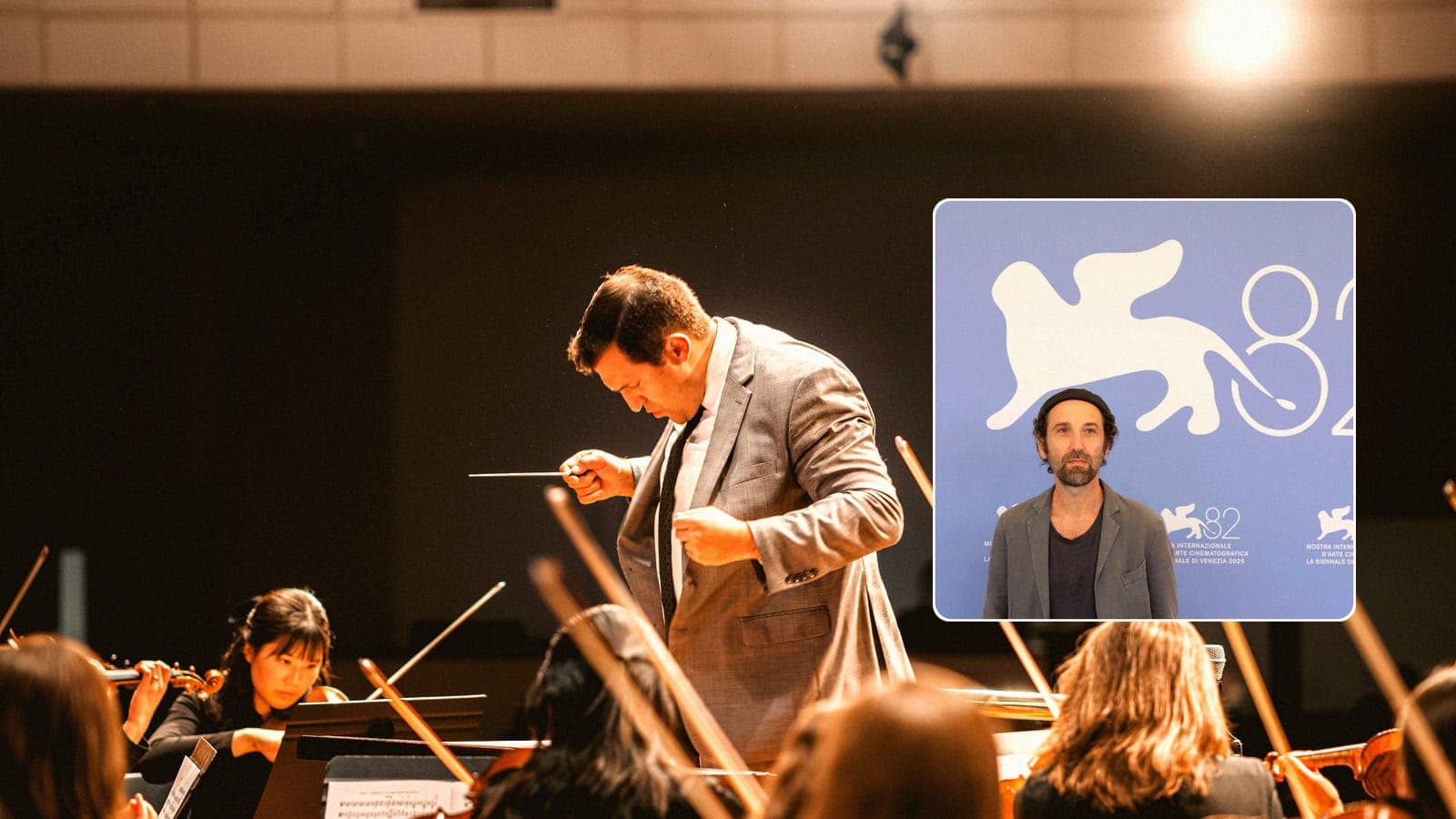
Since the duo split in 2021, Bangalter has moved almost entirely away from club music. He scored the ballet "Mirage," releasing a companion album, "Mirage: Ballet for 16 Dancers," in June 2026, and at Art Basel he's behind Warehouse Artefacts, an immersive sound-and-art finale built with visual artist Julien Charrière and Keinemusik's Rampa. It's a very different lane from Daft Punk's robot-pop, but the throughline is consistent: Bangalter keeps choosing forms, orchestral scoring, ballet, immersive installation, that are physical and collaborative rather than prompt-driven.
Is this where the industry actually stands on AI?
No, and that's the real story. Bangalter's comments land in a scene that is genuinely split. Skrillex has voiced a similar concern, saying AI-generated content lacks the human connection listeners need to feel "seen" by an artist, while plenty of producers are already using AI stem-splitting, mastering and sound-design tools without hesitation or apology. Bangalter isn't setting a new industry consensus here, he's adding one of the loudest, most credentialed voices to the side of the argument that says creativity and prompting are fundamentally incompatible.