What did the study actually measure?
Remitly, the UK money-transfer firm, did not count jobs. It counted longing. For its 2026 Dream Jobs Around the World report it pulled Google search data from 145 countries over a year to May 2026, filtering for the phrasing people use when they are still dreaming, 'how to be a' and 'how to become a', rather than the dry 'jobs near me' of someone actually applying. On that measure, 'how to become a DJ' drew close to 98,000 searches worldwide, the second most Googled career path on the planet, and by Remitly's country-topping ranking it placed tenth overall, up from 24th when the firm last ran the numbers in 2024. In New Zealand it came first, beating vet, accountant, writer and CEO.
Why is the DJ dream booming right now?
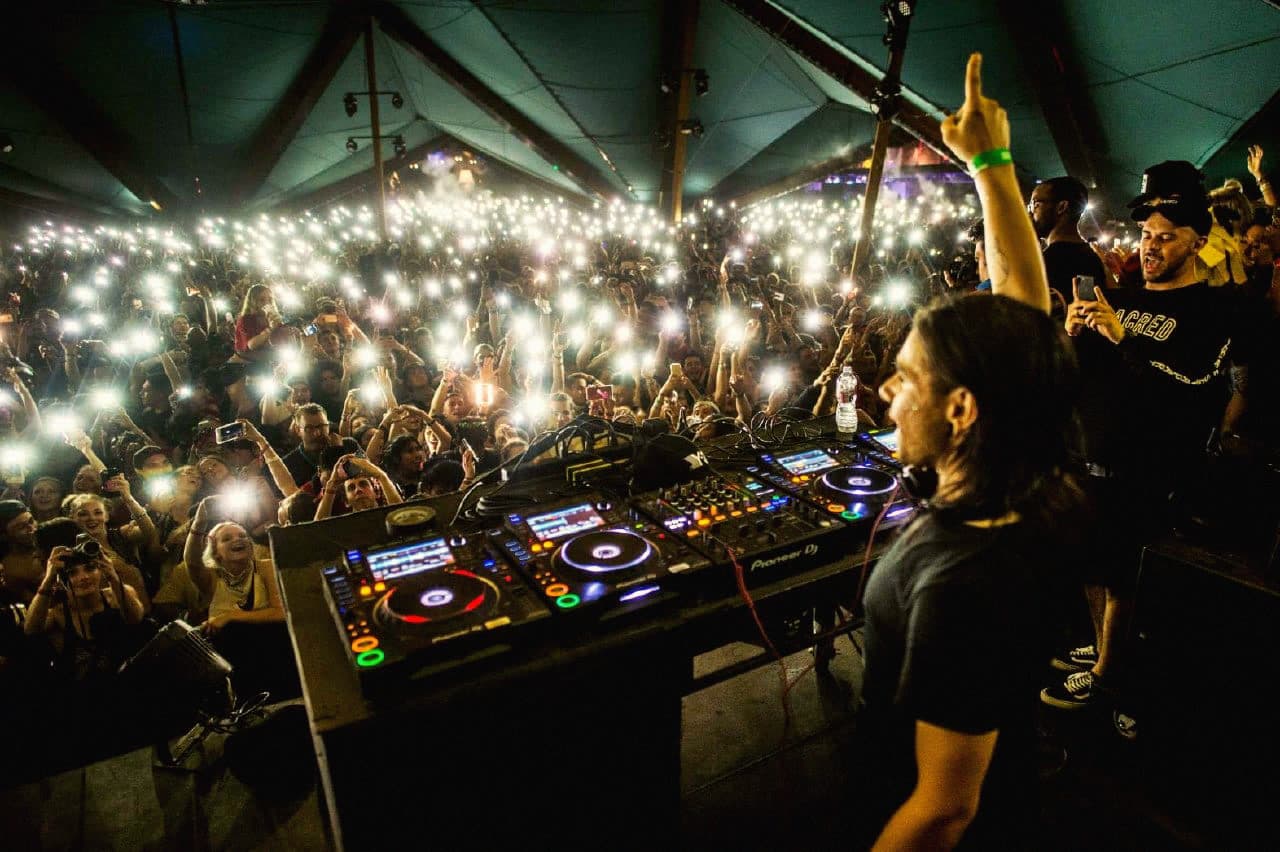
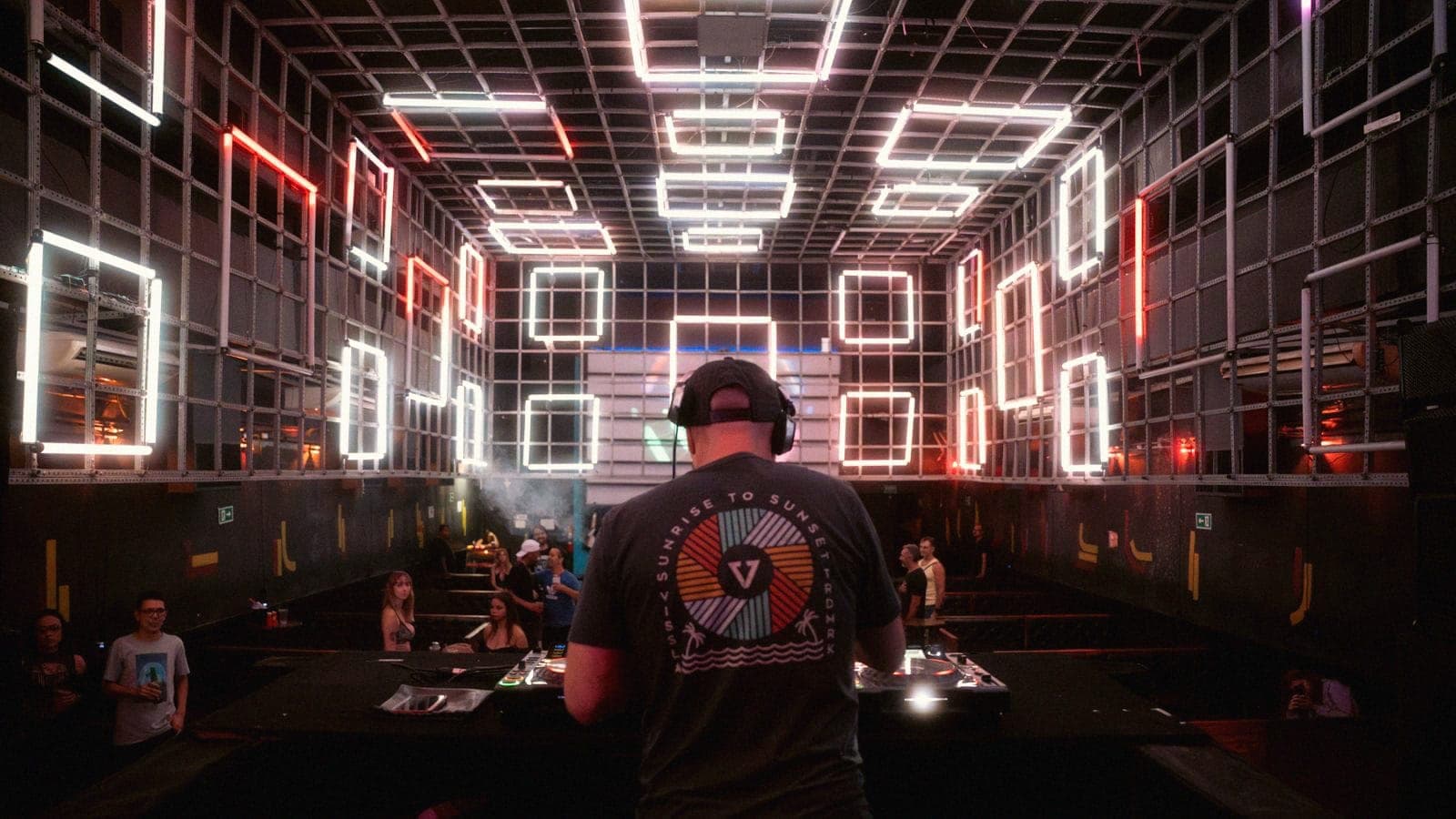
The barrier to entry has collapsed. A laptop and a controller cost less than a decent guitar, the software is often free, and a bedroom set can look and sound the part on a phone screen within a weekend. Add the feed: clips of a lone figure behind the decks with a festival going off in front of them are some of the most shared images in music, and the superstar DJ has become shorthand for freedom, travel and money without a boss. It is a fantasy that markets itself, and an industry of DJ schools, 'get booked' courses and paid-playlist promos has grown up to sell it back to the people chasing it.
So what does the job actually pay?
This is where the dream and the profit-and-loss sheet part ways. A tiny cohort of headliners command five and six-figure fees a night; almost everyone else works door splits, small guarantees and unpaid warm-ups, on a club circuit that keeps shrinking as venues close and costs rise. Recorded music barely moves the needle: streaming pays fractions of a cent, and even a track doing well on Beatport rarely covers a month's rent. The people getting rich off the DJ boom are, more often than not, selling gear, courses and promo to the dreamers rather than getting booked themselves.
The barrier to becoming a DJ has never been lower. The barrier to being paid like one has never been higher.
That gap, between how many people want in and how few the economics actually reward, is the real story behind a cheerful search-data headline. The dream is democratic. The payday is not.

![DJ Mag Voted [UNVRS] the World's No.1 Club. Its DJs Poll Still Won't Crown a Techno Name.](/_next/image?url=https%3A%2F%2Fmedia.timetohouse.com%2F2026-09-17-djmag-top100-unvrs-808.jpg&w=3840&q=75)