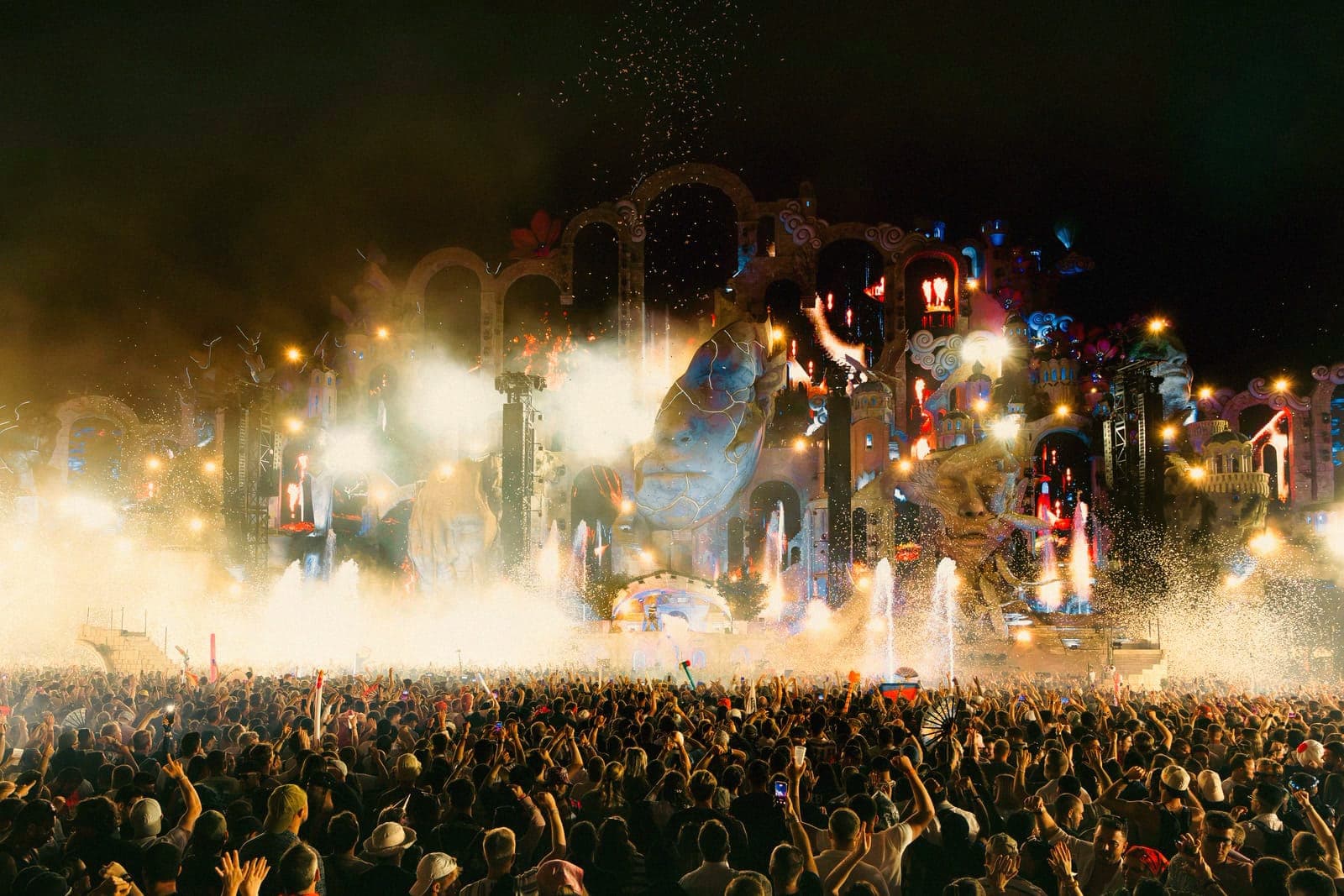
In sixteen days, 32 people walk into a courtroom in Antwerp that exists, in practice, because of one festival. Belgium's public prosecutor has set aside November 25 for what VRT NWS calls a dedicated "Tomorrowland chamber" hearing: a single sitting built entirely around the dealing cases pulled out of Tomorrowland 2026, held on the Schorre site in Boom across two July weekends.
What actually happens in court on November 25?
The 32 defendants were not fined on the spot like ordinary festivalgoers; they were formally arrested on suspicion of dealing and issued direct summonses to appear. VRT NWS and the Brussels Times both reported the date from the same prosecutorial filing on July 28, and as of now neither outlet, nor any other Belgian press, has published anything since confirming the session actually sat, slipped to a later date, or produced a verdict. That gap matters: Belgian court calendars do move, and a 104-day-old report is the only public record of the date.
One name in that batch of 32 raises the stakes beyond a routine blotter. A Dutch national in the group already has a conviction for dealing drugs at Tomorrowland in 2024. Whatever sentence he picks up this time will be the clearest signal yet of whether Belgian courts treat a repeat festival-dealing conviction as a serious aggravating factor, or just another line in a crowded docket.
How did the numbers get this big?
Tomorrowland 2026 ran across two weekends in July, and the final tally VRT NWS and the Brussels Times published on July 28 covers both of them combined: 403 festivalgoers caught with drugs for personal use, 32 people arrested on suspicion of dealing, and 104,100 euros collected in immediate settlement fines paid on site before offenders lost their wristbands and were escorted off the grounds. Those are full-festival totals, the complete count for the year, not a running number still subject to revision; any further Tomorrowland 2026 drug case would require a new arrest, not an update to this batch.
What did the lab actually find in people's pockets?
Belgium runs a mobile forensic lab on site for exactly this reason. This year it logged 1,004 drug samples and screened 777 of them. MDMA, cocaine and ketamine topped the list, consistent with past years, but the lab also flagged tablets carrying unusually high doses of MDMA, so-called "pink powders," and methamphetamine moving through the same supply chain. That lab data, more than the arrest count, is the real measure of what actually circulated on Tomorrowland's dancefloors this July, and it is the evidence the 32 defendants will have to answer to on November 25.