What exactly did Boom and Rumst ban, and why?
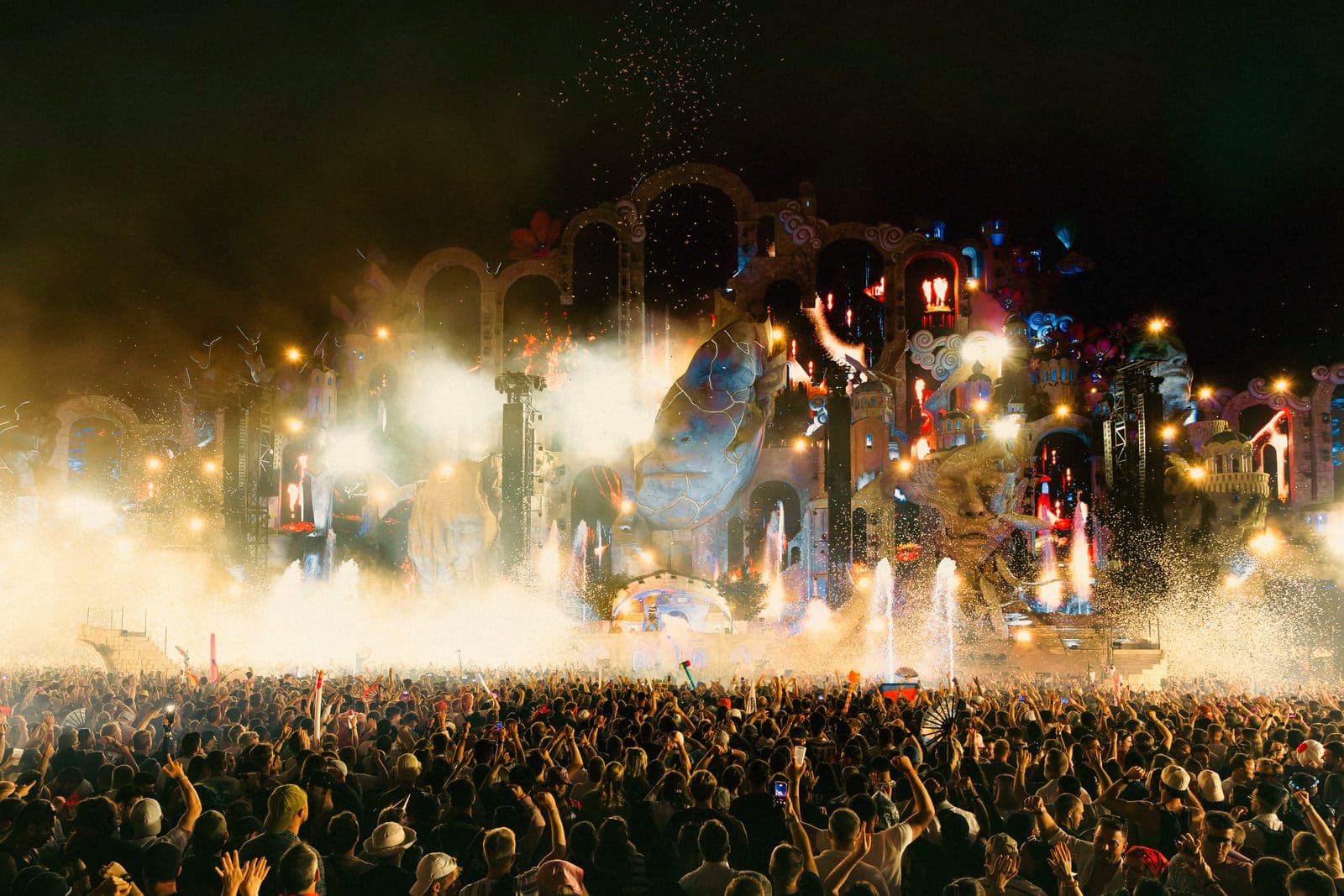
Tomorrowland's opening weekend, July 17-19, ran without a single firework or pyrotechnic charge, a first nobody at the festival can recall. The call didn't come from the promoter: Boom's mayor Jeroen Baert and Rumst's mayor Jurgen Callaerts, backed by Antwerp province governor Cathy Berx, banned all pyro on direct advice from the fire brigade. "It is too dry in the area," Callaerts said. "An orange code is in effect." Belgium had just logged its deadliest heat wave in recent memory, a spell Sciensano has linked to a 47.8% jump in deaths between June 18 and July 1, and the province was under Code Orange, the country's second-highest wildfire warning, exactly as crews were finishing the build. The ban covers both the De Schorre grounds in Boom, where the Mainstage sits, and the Dreamville campsite next door in Rumst, where most of the weekend's crowd sleeps in tents a few hundred metres from dry grassland.
The irony is hard to miss: last year, Tomorrowland's actual Mainstage burned down days before the festival opened, after a technical fault backstage, and crews rebuilt it in time against the clock. This year the threat isn't a stray backstage spark, it's the tinder-dry land the whole site sits on.
Why did Tomorrowland find out from the press?
That's the part that stings for a festival built on precision. Spokesperson Debby Wilmsen confirmed Tomorrowland "were not consulted on the initial decision," adding: "We also find it very regrettable that we had to learn this through the media." For an operation that scripts every pyro cue against a synced light and sound show months in advance, getting overruled by three local officials without a phone call first is a governance problem as much as a production one: the towns that host Europe's biggest festival can, with a single fire-department memo, strip out a headline production element days before doors open, and the promoter has no seat at that table.
Why can't drones just replace the fireworks?
Wilmsen also said Tomorrowland looked at swapping pyro for a drone light show, the fix most festivals reach for now that wildfire and noise restrictions are tightening, and had to drop it: De Schorre sits close enough to an airport that a drone show wasn't cleared either. That closes off the one workaround that's let other events keep a fireworks-style finale without the fire risk. Weekend 1 crowds got the Mainstage's lighting and sound design without the pyrotechnic payoff; whether Weekend 2 (July 24-26) gets fireworks back depends on a decision officials say they'll make closer to the date, after a final safety consultation with all agencies involved, as the heat wave and drought evolve.
What does this mean for festival production going forward?
Tomorrowland's pyro finale isn't decoration, it's part of the brand: the visual signature that gets clipped and shared long after the DJ sets are forgotten. Losing it for a Code Orange alert, on days' notice, in Belgium of all places, a temperate country not usually associated with wildfire risk, is the tell. If heat waves keep pushing fire-risk warnings into places that never used to need them, promoters who've built their identity around pyro, drones, or anything a local fire chief can veto on short notice will need a plan that doesn't depend on the weather cooperating. This is a production and logistics story now; in five years it may be a standard clause in every outdoor festival's contingency planning.
"We also find it very regrettable that we had to learn this through the media."