Tomorrowland spent the run-up to its 2026 edition rebuilding trust after last year's Mainstage fire. Then the local government that hosts it took away its fireworks.
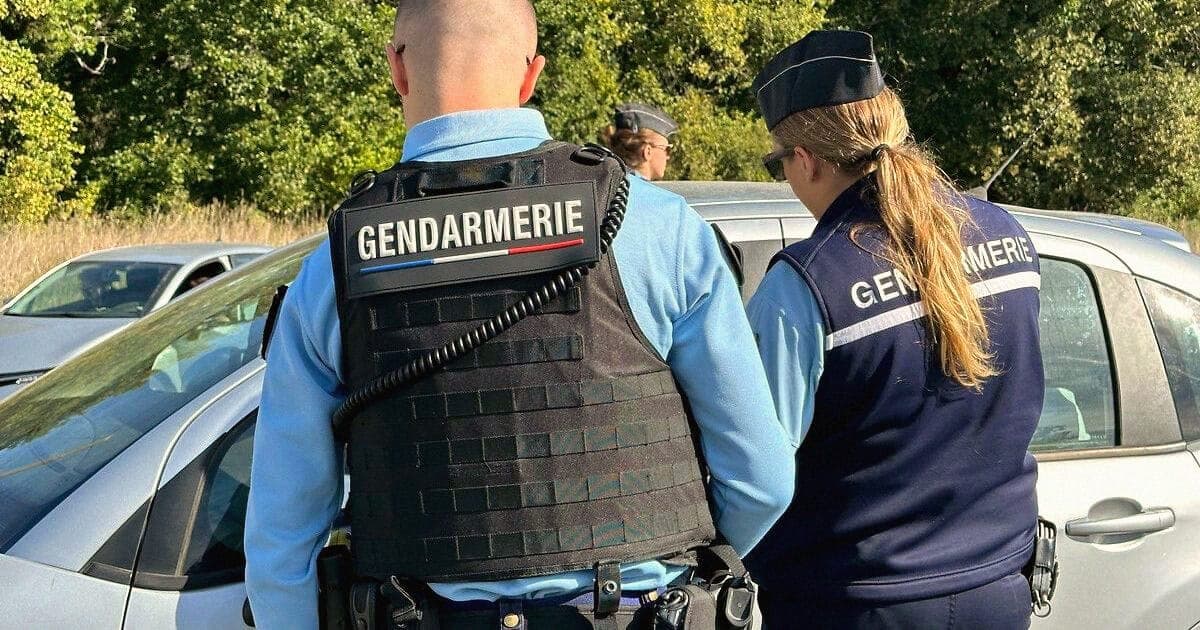
On July 15, the mayors of Tomorrowland's host towns, Boom and Rumst, banned all fireworks and stage pyrotechnics for the festival's opening weekend, July 17 to 19. The reason was blunt: a persistent drought had pushed the region's wildfire risk to 'code orange,' Belgium's second-highest alert level, and De Schorre park in Boom plus the neighbouring Dreamville campsite in Rumst sit on exactly the kind of dry, combustible ground that alert exists to protect.
Why did the town pull the plug on its own showcase event?
Rumst mayor Jurgen Callaerts put it plainly: "It is too dry in the area. Code orange is in effect until Tuesday," adding that officials would not budge "in the next 48 hours either." Boom mayor Jeroen Baert framed it as a decision made after a safety meeting with the provincial governor and fire services, not a whim: "After a safety meeting with the governor and consultation with the security services, we, as mayors, have now also banned stage fireworks, at least for the first weekend."
Tomorrowland's side of the story is that it found out too late to plan around it. The festival says it learned of the weekend-one ban largely through media coverage rather than a direct notice, though Baert has disputed that account. Either way, a festival built on a fireworks-and-pyro finale as its signature moment had days, not months, to rework a show element fans specifically travel for.
"The fireworks are an important part of the festival. Lighting-up drones as an alternative are definitely not an option. We are too close to the airport for that.", Debby Wilmsen, Tomorrowland spokesperson
What actually changed for weekend two?
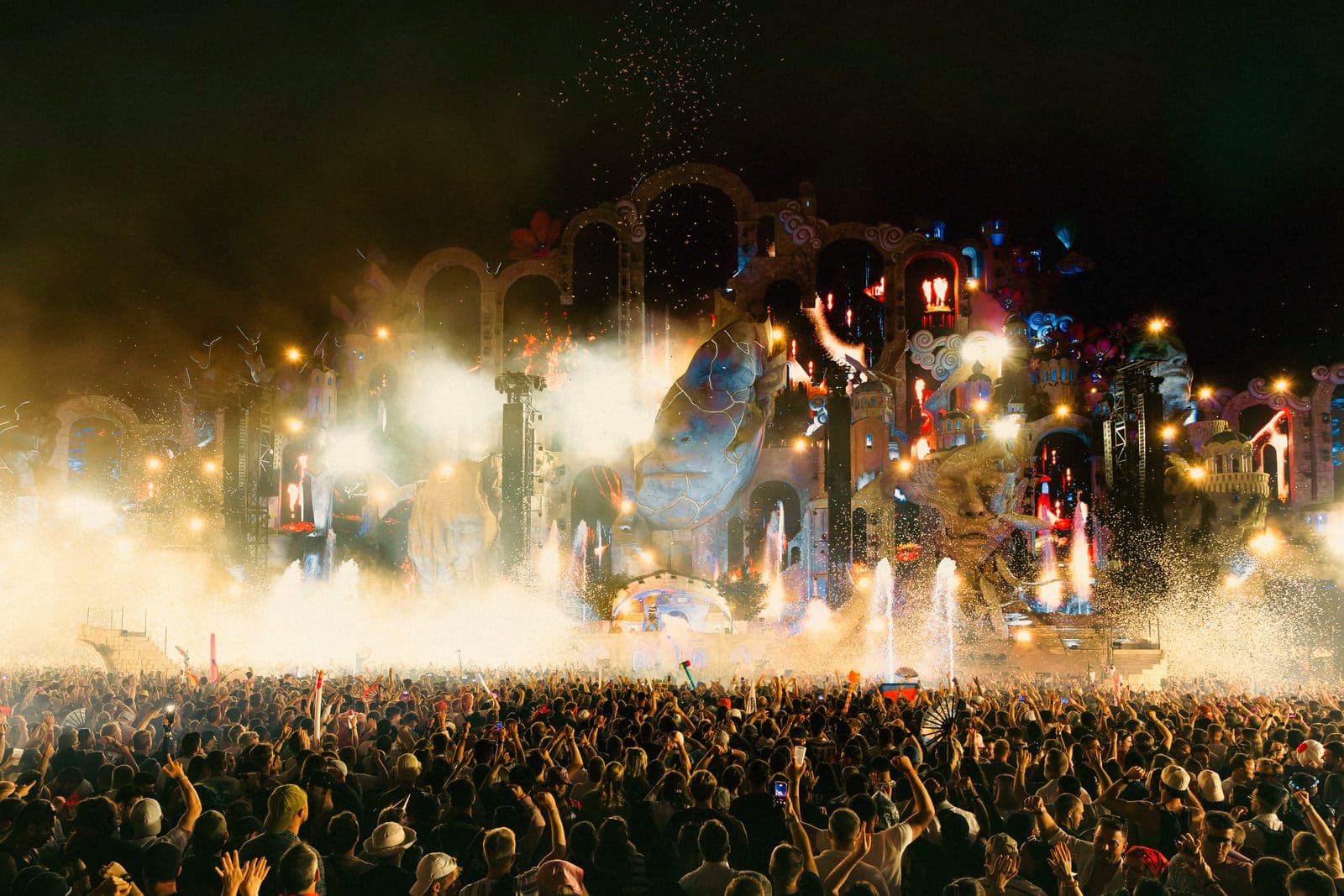
By July 24, Belgium was still sitting at code orange, but the ban eased. Large-scale, high-altitude fireworks stayed off the table for the whole second weekend. In their place, the Mainstage was cleared to run 'limited' T1 and T2 pyrotechnics, the industry's own classification for close-range effects designed to work within tighter safety distances and stay fully controllable. Crucially, that clearance wasn't a blanket green light: deployment depended on a fresh daily risk assessment made jointly with local authorities, meaning organizers effectively had to re-earn permission for pyrotechnics show by show. Personal barbecues stayed banned across the campsites both weekends, with supervised communal cooking zones set up as the substitute.
Is Tomorrowland's spectacle now colliding with its own conditions?
This isn't the festival's first fire scare, and that's the part that turns a weather story into an accountability one. In 2025, Tomorrowland's Mainstage, a structure built over months, was almost completely destroyed by a fire two days before gates opened, reportedly triggered by an ethanol leak during testing of the stage's own fire-bowl effects. The festival rebuilt a scaled-down stage in days and opened on schedule. A year later, the fire risk moved from the stage itself to the ground it sits on, and the show got scaled back again, twice in one edition.
Tomorrowland has never been a small production choosing between spectacle and caution; that tension has now surfaced two Julys running, once from an equipment failure inside the festival's control, once from a regional drought entirely outside it. Neither the organizers nor the host towns get to unilaterally decide how much longer a maximalist pyrotechnic show is compatible with a stretch of Belgium that keeps landing on code orange in mid-summer.