What did Chaotic Good actually admit?
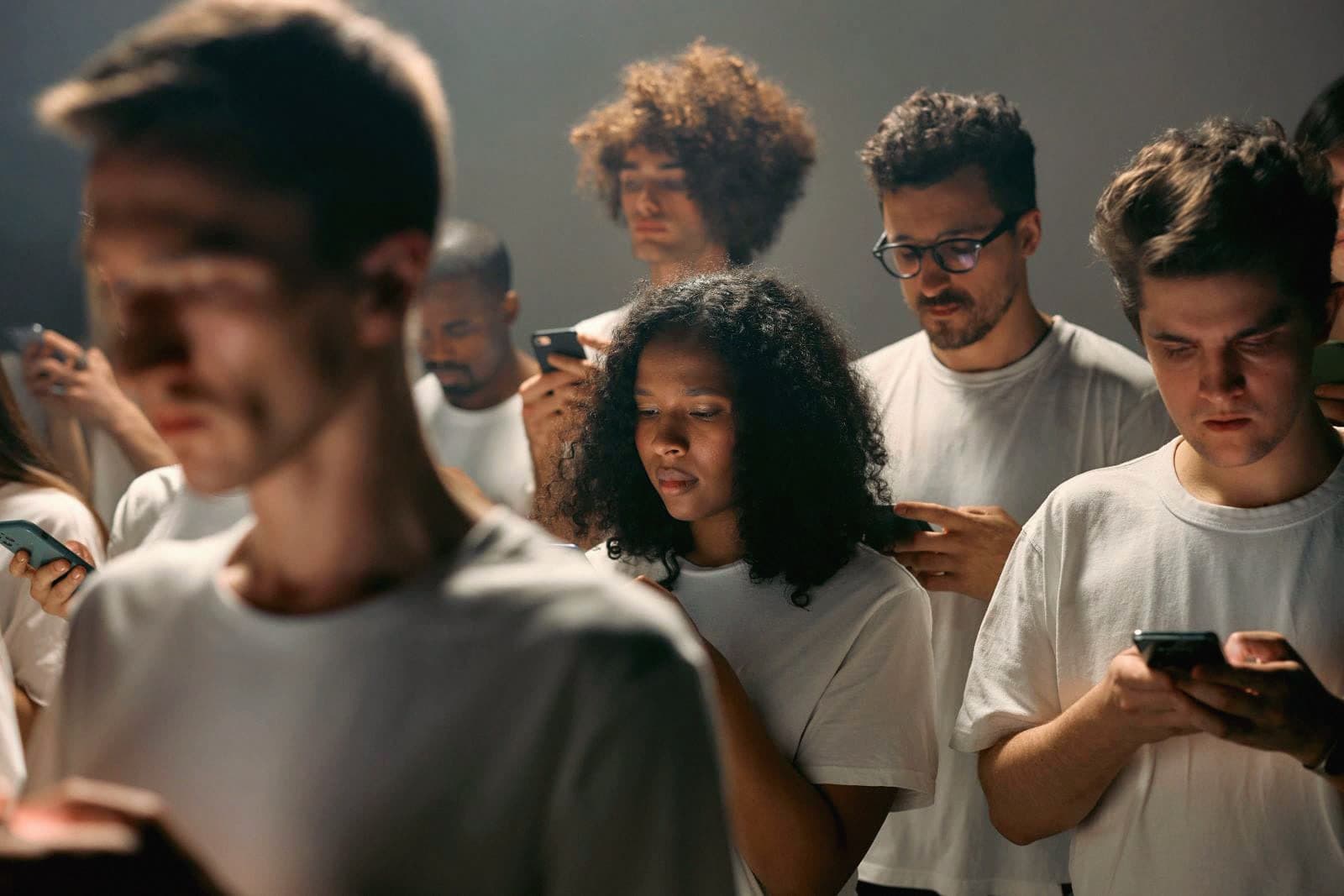
Founded in early 2025 by Jesse Coren and Andrew Spelman, both formerly of the management firm Mutual Friends, Chaotic Good sells virality. On Billboard’s On The Record podcast, taped live at SXSW in March 2026, the founders laid out the playbook with a candour the business usually keeps offline. They do not ask the artist to post more. They build and rent a network of TikTok accounts, fan pages, meme pages, sports-clip pages, and drop the client’s song under content that has nothing to do with the client. Run it at scale and a manufactured moment starts to pass for a grassroots one.
The part that should bother anyone who reads a comment section is that the agency engineers the comments too. Spelman said the team will post a hundred times the instant a video lands, stacking positive reactions before any cold take can surface. “That first comment they see becomes their opinion,” Coren said, “even when they haven’t heard the whole album.” Spelman’s blunter line travelled on its own: “everything on the internet is fake.”
The hype you scrolled past was not a crowd discovering a record. It was a service, billed by the campaign.
Why is the underground the softest target?
Pop can absorb this. A major-label act already lives inside a paid machine, and nobody is shocked to learn Coldplay had a marketing budget. The underground is different, because its whole value system is the opposite of a paid machine. A record matters here because the right DJ played it, because a trusted shop racked it, because the floor lost it at three in the morning and the room told ten friends. The co-sign is the currency. Authenticity is not a mood, it is the product.
Trend simulation counterfeits exactly that currency. The same network that can make a pop single feel inevitable can make an unknown deep-house edit feel like the scene’s consensus, manufacture a best-set-of-the-summer verdict before anyone has heard the set, or bury a real artist under a louder fake one. The barrier is lower in a niche, not higher: it takes far fewer fake accounts to simulate a wave in a small, trusting scene than across the global pop chart. Billboard named pop clients because pop pays best, but nothing about the method is locked to a genre.
What can the scene actually do about it?
The honest answer is not an app, it is a posture. Read the comment section as marketing, not as the crowd, the same way you already read a billboard. Weight a co-sign by who is giving it: a selector you have trusted for a decade is not a burner account that appeared last week. Reward what is expensive to fake, a packed room, a full record bag, a DJ who still plays the track six months later, over what is cheap to fake, a wall of identical comments and a view count. The scene’s oldest defences were its memory and its real rooms. The machine is good at the feed. It is still useless in a sweaty basement.