What did Chaotic Good actually admit?
In March 2026, on a live Billboard podcast at South by Southwest, two marketing men sat down and calmly explained how the buzz around your new favourite artist gets built. Andrew Spelman and Jesse Coren run Chaotic Good Projects, a digital agency that promises to make acts go viral, and they were unusually frank about the method. “A big part of what we are doing is posting enough volume across enough accounts with enough impressions to try to simulate the idea that the song is trending,” Spelman said. He has a name for it: trend simulation. Coren put it more bluntly still, that a lot of the internet is manipulation and, in effect, that much of what you see is fake.
The infrastructure is physical. According to reporting on the agency, Chaotic Good keeps racks of real iPhones and runs thousands of social accounts, the better to look like a crowd of separate humans rather than one office in a back room.
How does trend simulation manufacture a fanbase?
“A lot of the internet is manipulation.”
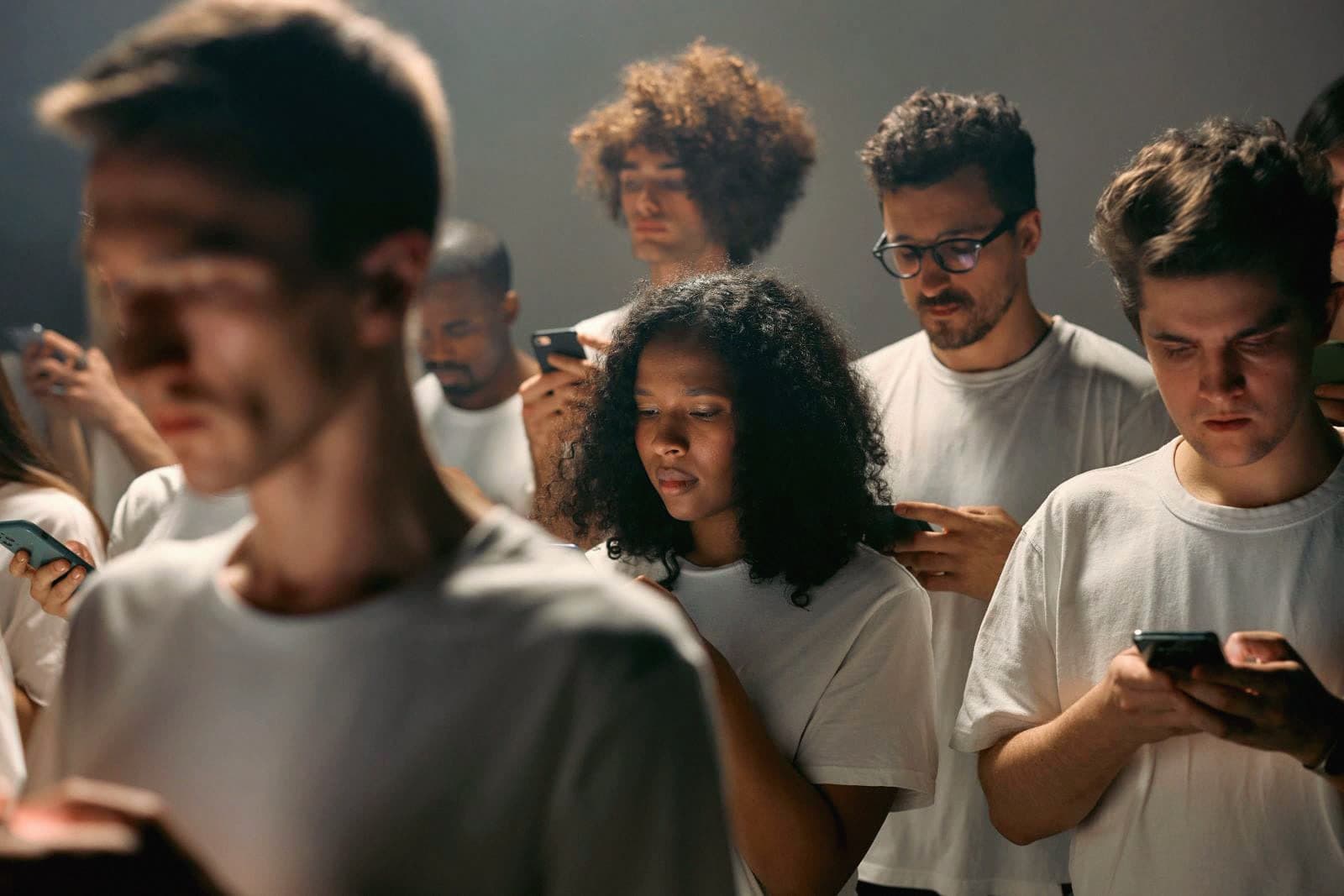
The play is simple and patient. You build a web of TikTok pages, drop a client's track under enough videos, and post until the platform's recommendation engine reads the volume as genuine momentum. Then you work the comments: flood a clip with a hundred variations of the same verdict, so the first thing a real person reads, under a live take or a Tiny-Desk-style performance, is a manufactured consensus that this was the best thing they will hear all year. The first comment sets the frame, and the frame sets the opinion.
The uncomfortable part is that it is not strictly fake. The streams that follow can be real, the fans at the show can be real, the love can be real. What is fabricated is the starting gun, the impression that a groundswell happened on its own. As the agency tells it, the method only works on music good enough to hold the people it tricks into listening. That is the alibi, and it is also the trap.
Why should house and techno care?
Because the underground runs on exactly the signal this machine counterfeits. Dance music has always priced credibility in organic terms: the white label nobody could ID, the producer the right DJs quietly started playing, the SoundCloud comment from a peer, the room that filled by word of mouth before the press noticed. That groundswell is the scene's currency, and trend simulation is a factory for forging it.
We have been here in spirit before. The genre polices authenticity harder than most, witness the perennial industry-plant panic and the long fight over ghost production. A paid service that manufactures the co-sign is the logical endpoint of both. The defence the underground has is the one thing a phone farm cannot bot: a real room, a real floor, a track that still works at 3am when nobody is filming. If the comments can be bought, the dancefloor becomes the last honest metric we have.
What happens now?
The story broke the way these things now do, from outside the music press. Songwriter Eliza McLamb's post Fake Fans drew the first line from the indie band Geese to Chaotic Good, and the agency reacted by deleting Geese and its narrative campaign page from its own site. The receipts did not disappear, the archived versions remain, and a client list that reportedly stretched from niche indie acts to major-label pop is now a matter of record. The lesson for anyone who loves discovering music is not to stop trusting your ears. It is to notice when a “spontaneous” wave looks a little too well organised.