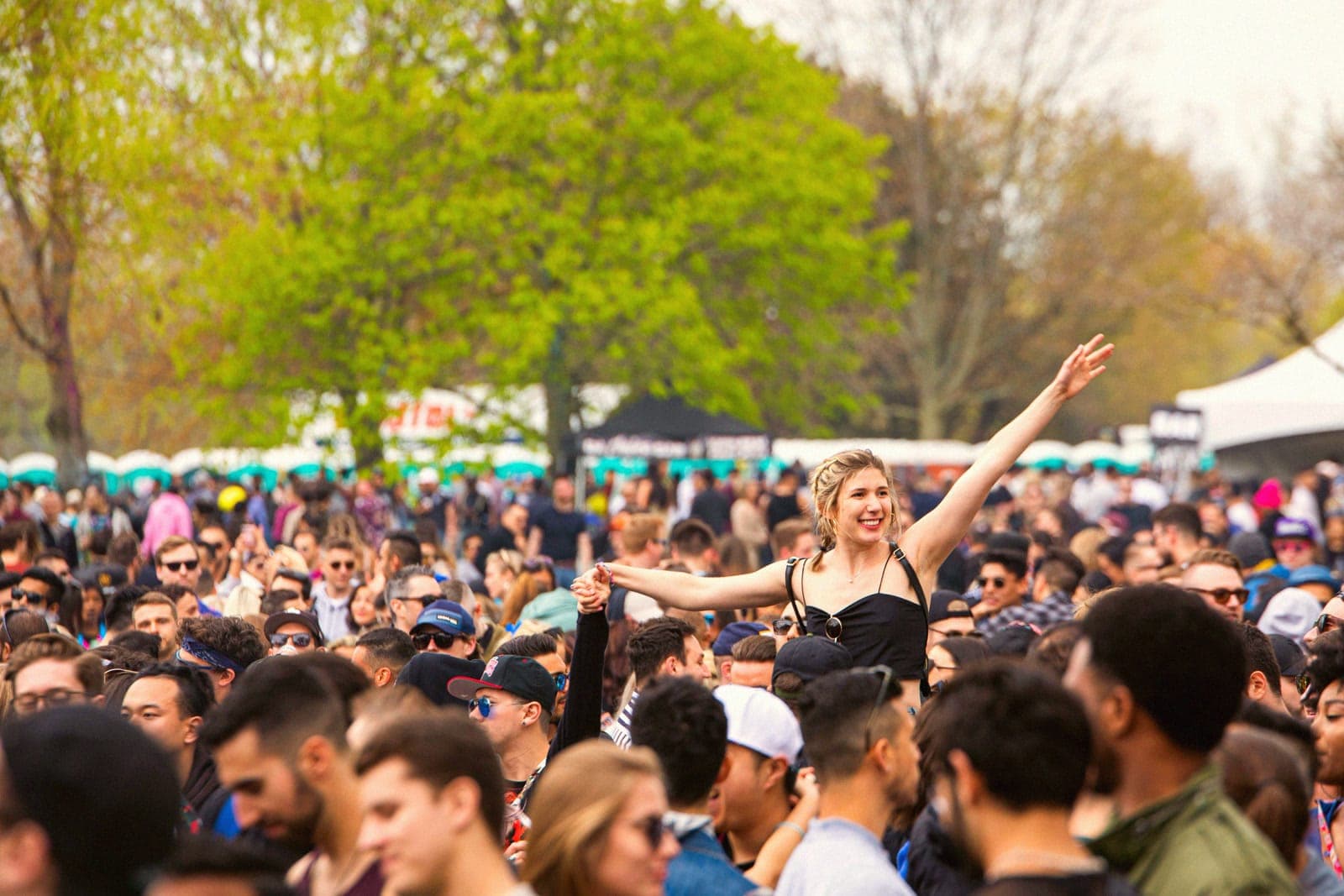
Ultra Music Festival pulls in some of the biggest names in EDM and fills Bayfront Park for a weekend every March. None of that revenue, according to a new lawsuit, made it to the people pouring the drinks.
Twenty-two bartenders and drink vendors who worked the festival's March 27-29, 2026 edition in downtown Miami have filed a class-action complaint in Miami-Dade County, Ultra Music Festival, Singleton v. Event Entertainment Group and Ultra, claiming they are collectively owed more than $1.5 million. The complaint, filed in June, names Ultra Enterprises Inc. and Event Entertainment Group as defendants.
What does the lawsuit actually allege?
According to the complaint, festival operators accused bartenders of theft by fabricating inventory shortages at the drink booths, then used that accusation to run what the plaintiffs call a "sham internal investigation" aimed at withholding pay the workers had already earned and discouraging anyone from complaining. The original filing lists 13 named plaintiffs, including bartenders Phillip Dewayne Singleton, Andres Murillo, Enmanuel Lopez, Nicholas Tofini, Luis Daniel Fernandez Martinez, Anthony Rodriguez, Raymond Pena, Klaus Bruckner, Shane Budde, Isabel Treanor, Romina Diaz Magallanes, Tyler Ridgeway and Lazaro Gonzalez, with nine more joining since. Because it is a class action, more workers can still sign on, which would push the claimed total higher.
Who is actually on the hook?
That is the fight at the center of the case. Event Entertainment Group filed a Motion to Dismiss on September 24, and in a statement to Miami New Times, Ultra's Chief Administrative Officer Ray Martinez said the claims are "directed at the wrong parties," arguing the plaintiffs themselves acknowledge they were "recruited and engaged by a third-party contractor" rather than hired directly by Event Entertainment Group or its affiliates. That is the standard defense in gig-labor wage disputes: a chain of staffing subcontractors sits between the festival brand and the person behind the bar, and when pay goes missing, everyone in that chain points to someone else.
"The workers who poured the drinks and ran the beverage stands at the 2026 festival were not paid the wages they earned."
That line comes straight from the June complaint, and it is the plaintiffs' core argument: a festival generating substantial revenue for its operators left the workers who ran its booths unpaid, whoever technically signed their checks.
Why does this keep happening at festivals?
Event-week labor, bartenders, security, stagehands, cleanup crews, is overwhelmingly contracted through staffing agencies and subcontractors with thin oversight and thinner accountability. A festival operator can outsource the hiring, outsource the payroll, and outsource the blame, while still keeping the ticket and bar revenue in-house. Wage-theft claims built on exactly that structure have surfaced at major US festivals before, and they rarely get the coverage the lineup announcements do.