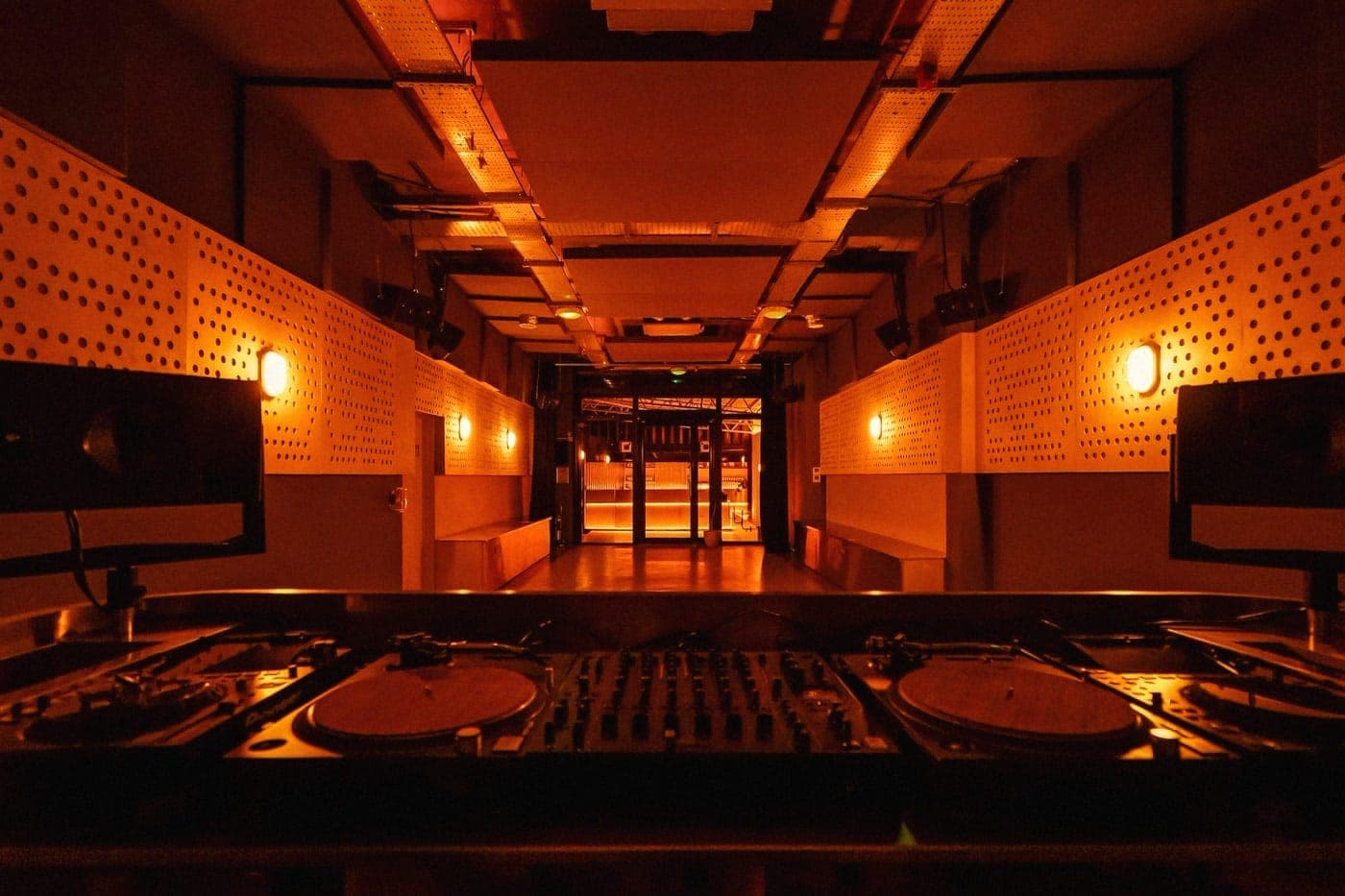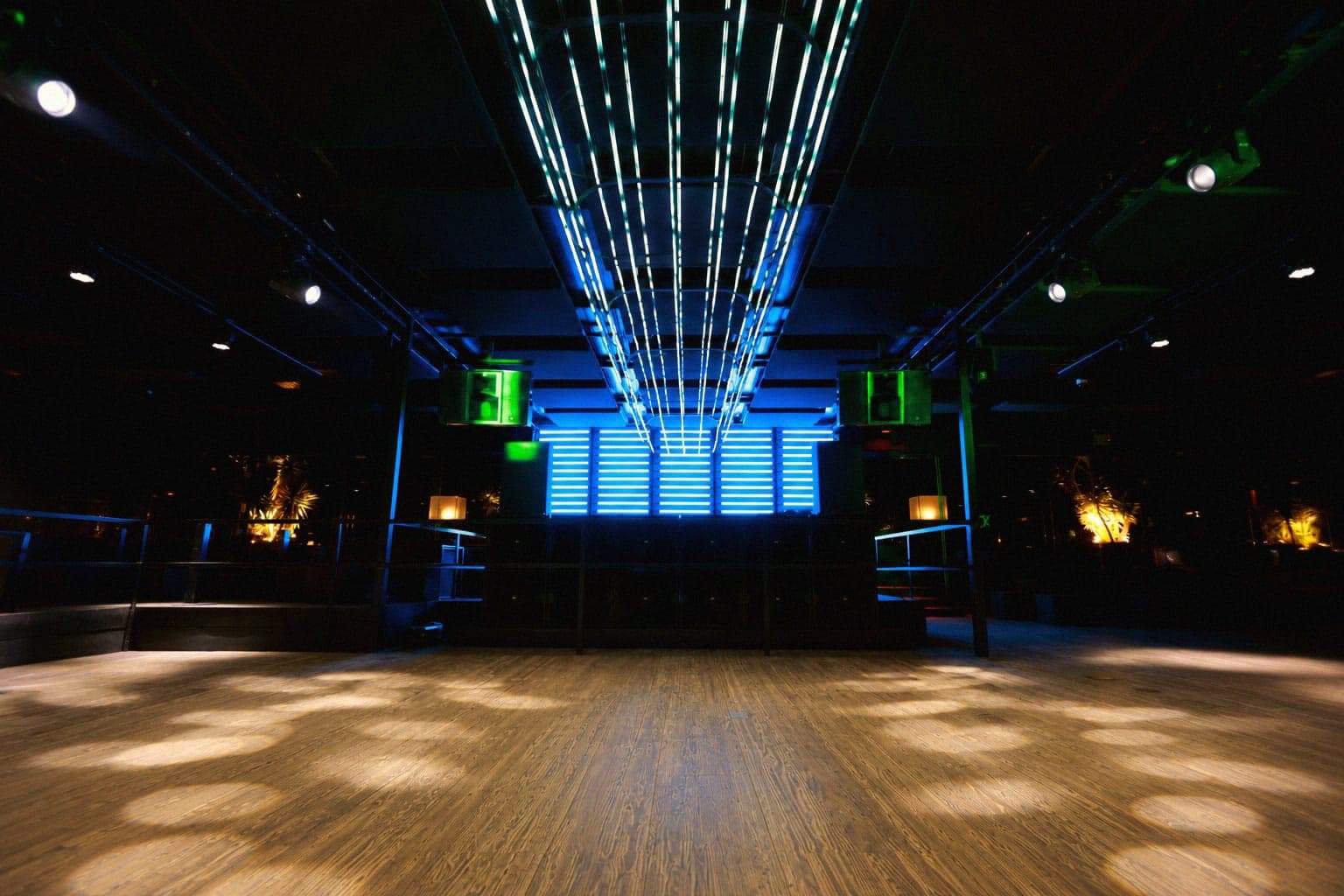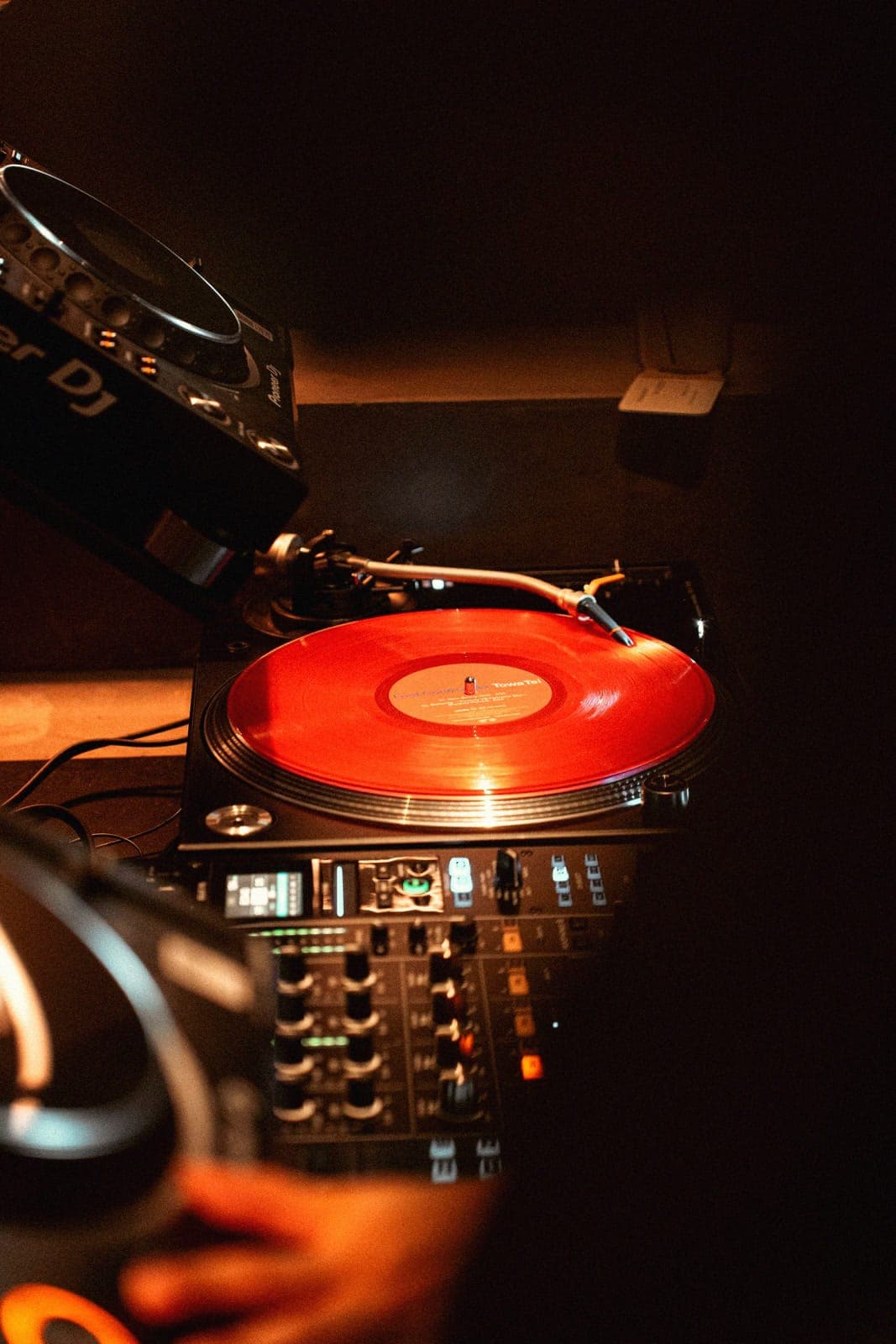
Walk into most 1,000-capacity clubs outside the world's usual electronic-music capitals and the sound system tells you the budget story before a single DJ touches a fader. Ultra Super Club, which opened on Makassar's Tanjung Bunga waterfront in December 2025, decided not to play that game. Per E-Tech Asia, the venue has installed a full L-Acoustics A Series rig, the kind of system more commonly associated with major clubs and touring productions in Europe and North America than with a new opening in South Sulawesi.
What's actually in the box, and why does it matter on a dancefloor?
The main system is two hangs of four A15i enclosures apiece, each hang built from three Focus cabinets and one Wide cabinet. In plain terms: Focus boxes throw sound further and tighter down the room, Wide boxes spread it to fill the corners, and mixing the two in one hang means the club can cover a long room without the sound thinning out at the edges or blasting the people up front. Three LA4X amplified controllers power the array, which is the part of the chain that actually shapes how tight and controlled the low-mid punch feels, not just how loud it gets.
Underneath that sits eight L-Acoustics KS28 subwoofers. That's a serious low-end count for a 1,000-capacity room, the kind of sub allocation you'd expect at a system built to make kick drums and bass feel physical rather than just audible. X12 and X8 enclosures fill in the out-fills and front-fill, the boxes that make sure people standing at the sides or right against the stage still hear a full mix instead of a phasey mess of overlapping mains.
Why did the ceiling need a computer model to fix it?
According to E-Tech Asia, integrator Thomas Rulyanto, working alongside L-Acoustics' Indonesian partner PT Gracia Auvindo, had to run extensive Soundvision acoustic modeling to deal with Ultra Super Club's ceiling structure. Soundvision is L-Acoustics' own prediction software: it lets an integrator simulate how sound will bounce and build up in a specific room before a single box goes up, which matters enormously when a ceiling shape threatens to create reflections, dead spots or nasty buildup at certain frequencies. A rig this capable is only as good as the room it's tuned for, and a problematic ceiling can turn an expensive system into an expensive mess if it isn't modeled and aimed correctly first.
The venue's own due diligence backs up how deliberate this was: management reportedly visited Jakarta's NOYA X 80 PROOF, which runs an L-Acoustics K2 system, before settling on the A Series spec for their own room.
A rig like this, in a market where clubs usually stretch a modest budget across the whole build, is a statement about where the money is now willing to go.
Why does this matter beyond Makassar?
This is a data point in a bigger shift: serious, world-class club audio infrastructure is no longer confined to the handful of cities that dominate the touring circuit's imagination. When a new club in eastern Indonesia benchmarks itself against Jakarta's best and then installs a rig on par with what a major European or American club would run, it changes the calculus for touring DJs, and for a scene that assumed the gear conversation only happened in Berlin, London or Ibiza.
Why it matters
Each A Series or K Series install outside the traditional Western hubs makes it easier for the region's promoters to book bigger international names and credibly argue the sound will hold up, shifting where serious touring dollars and dates get allocated.
What we think
This is the story pro-audio nerds actually want and the wider industry usually ignores: not another lineup announcement, but proof that the infrastructure underpinning great nights out is spreading fast into markets the old guard still underestimates. Indonesia's club scene deserves more attention for exactly this reason.