What happened at Unum Festival during the viral incident?
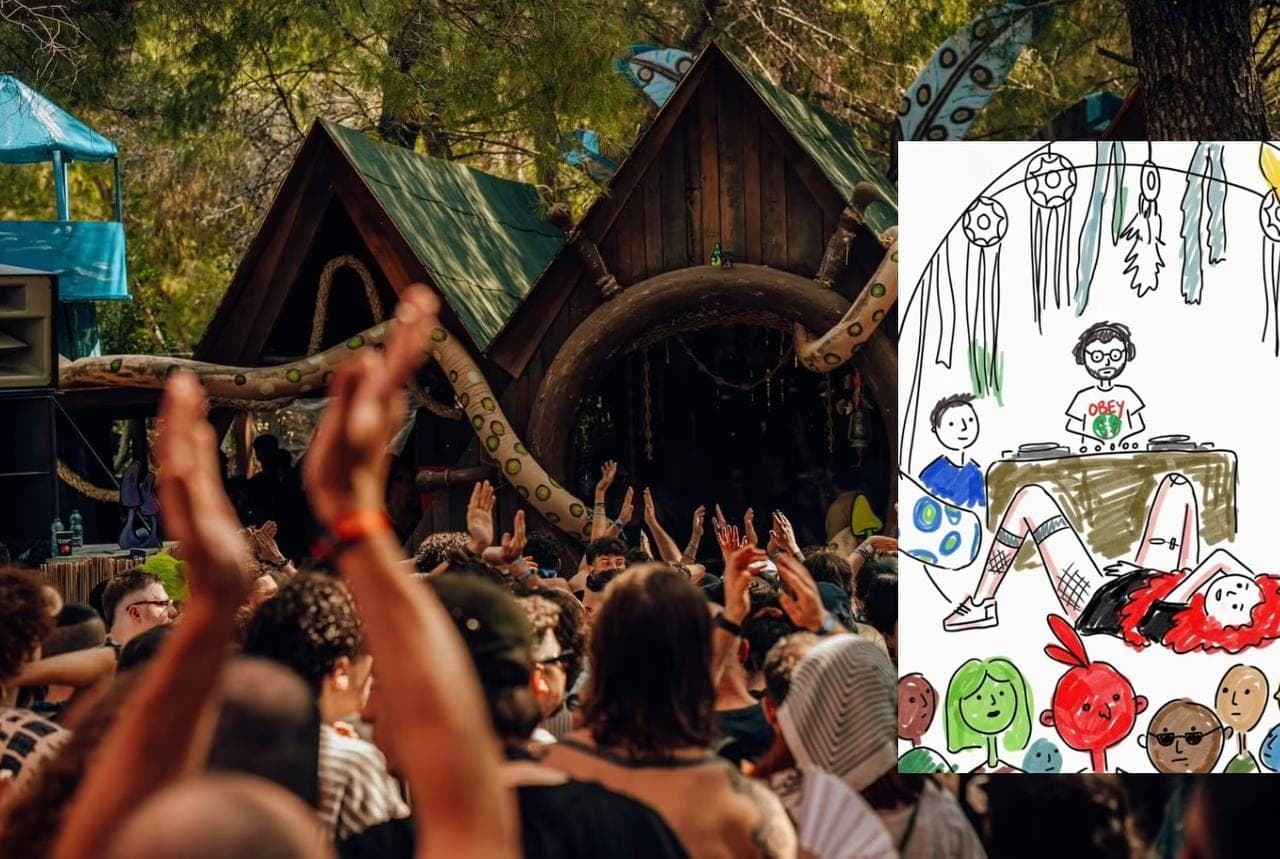
During Unum Festival 2026, held on the beach at Rana e Hedhun near Shëngjin, footage captured a young woman in what Albanian outlet Publik Media described as a "severely impaired psychophysical state," engaging in sexual behavior near the main stage and DJ platform, in full view of dozens of attendees. The video spread across TikTok within days of the festival's June 8 close and was picked up by Publik Media and Kosovar publication Kosovarja.
Security staff intervened and removed the woman from the area. Neither the festival nor its organisers issued a statement acknowledging the incident.
How did the Albanian authorities respond?
Swiftly and selectively. The Albanian State Police published an official statement declaring that Unum Festival 2026 ended "without criminal incidents, conflicts, or accidents." No reference to the footage circulating on social media, no acknowledgment of the press reports that had already appeared. For observers in the Albanian and Kosovar press, the denial reinforced a familiar pattern: events linked to powerful promoters or economically valuable festivals tend to receive clean official scorecards, whatever the cameras actually show.
What is the underground scene arguing about?
The footage landed in a community already divided over where personal expression ends and communal responsibility begins in festival spaces. The dominant reaction in Albanian-language online media was condemnation: many argued the behavior was disrespectful to the performing DJ, to other attendees, and undermines the credibility of people making genuine consent complaints within the techno and house scene.
A smaller but vocal contingent pushed back, arguing that adults at a nightlife event should be free to express themselves as they choose, and that moral policing of festival behavior is itself a problem. What this argument consistently sidesteps is the element visible in the footage but rarely named directly: the woman appears to have been in serious physical distress, not performing a deliberate act of liberation. That distinction matters. A community that reads every incident through the freedom-versus-prudishness lens is not equipped to protect people who are genuinely vulnerable on its dance floors.
Is this a one-off incident or part of a wider pattern at Unum Festival?
Not a one-off, by local press standards. Kosovarja and other regional outlets have reported over several years that the sale and use of drugs at Unum Festival occurs openly, with the suggestion that Albanian law enforcement is either unable or unwilling to intervene on-site. The festival's growing profile as an international underground destination has added visibility to these reports without resolving the underlying issues.
The dynamic is not unique to Albania. At major underground festivals across Europe, a gap between the event's presented identity (safe, immersive, community-driven) and the safety reality for the most vulnerable attendees is well-documented. Substance-related incidents are common; their coverage is not, because the scene's internal culture often treats intervention as a moral failure of the individual rather than a collective obligation of the space.