Is this a vinyl revival, or a decor trend?
The numbers out of the UK and the US this month are the kind the format hasn't produced in decades. The BPI logged a 13.3% jump in UK vinyl album sales in 2025, to 7.6 million units worth £174.4 million, the heaviest annual spend on vinyl in 30 years. Across the Atlantic, the RIAA's year-end tally put US vinyl wholesale revenue at $1.04 billion, up 9.3% and over the billion-dollar line for the first time since 1983, back when vinyl was still the dominant format and CDs hadn't arrived yet.
But ask who's actually buying, and the story gets more complicated. Per the Vinyl Alliance survey cited by We Rave You, 56% of Gen Z buyers point to the format's look as a reason to own it, and 37% say they mainly use records as home decor, not something they drop a needle on. That's a real reversal: digital-era convenience said nobody needs a physical object to hear a song; a chunk of the youngest buying cohort is choosing one anyway, partly because it looks good leaning against a wall.
A 30-year high in UK vinyl spending did not happen because a new wave of DJs started digging crates again. A good share of it happened because records became something to put on a shelf.
What's actually driving the numbers?
Strip out the generational debate and the hard data still holds up. The UK's growth marks an 18th consecutive year of expansion for the format, and the US is now on its 19th. The US isn't slowing down either: the first half of 2026 brought in $543.8 million in vinyl revenue, up 17.7% on the same period in 2025, on 26.5 million units sold, and vinyl now makes up the bulk of the country's $731.5 million in total physical music revenue for the half. The US alone accounts for close to half of vinyl's global value.
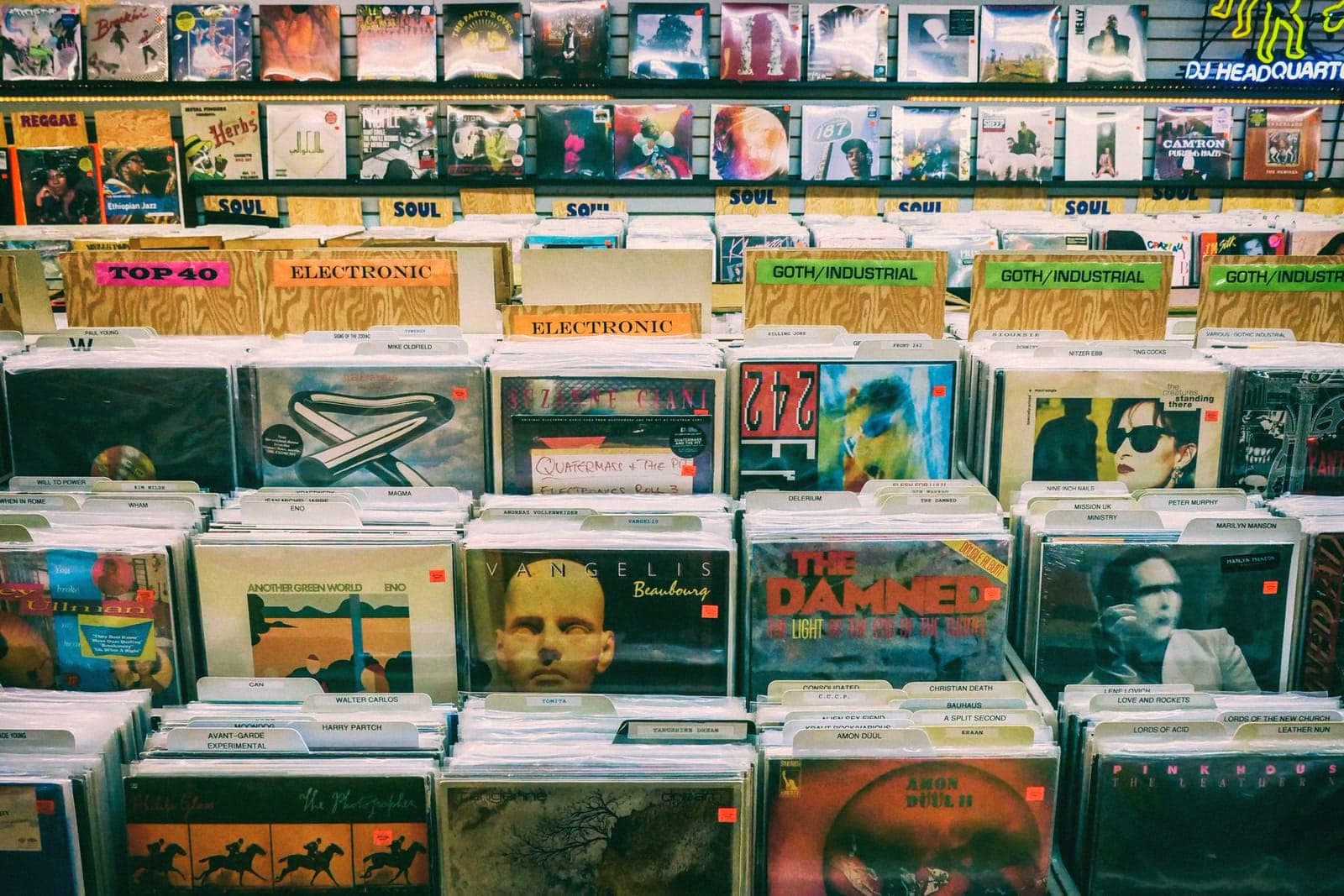
And the retail side is where the real infrastructure story sits. Independent record shops handled 41.2% of all UK physical music sales in 2025, and 28 new independent stores opened across the country that year, pushing the total past the 490 mark. Whatever is pulling new buyers in, a meaningful chunk of the money is landing in specialist shops, not just big-box retail or online.
What does this mean for DJs and indie record shops?
For house and techno, the shop is never just a point of sale. It's where crews form, where a 12" gets played loud enough that someone in the room decides to buy the next one, where a Saturday afternoon turns into three hours of someone's "just one more crate." That culture survived vinyl's commercial collapse through the 2000s almost entirely on the backs of DJs and diggers, long after the mainstream buyer walked away.
Now the mainstream buyer is back, and a chunk of them are shopping for a look rather than a sound. That's not automatically bad news. Aesthetic buyers prop up the same shop rent and the same pressing capacity that keeps rare 12"s in stock and new white labels coming through. The risk sits on the other side: if major-label reissues and influencer-friendly repress runs keep eating pressing slots and shelf space, the record shop that stays open because of decor sales can still end up with less room for the underground. The money is real. Whether it reaches the crates that actually matter to this scene is the open question.