What are the record stores actually doing?
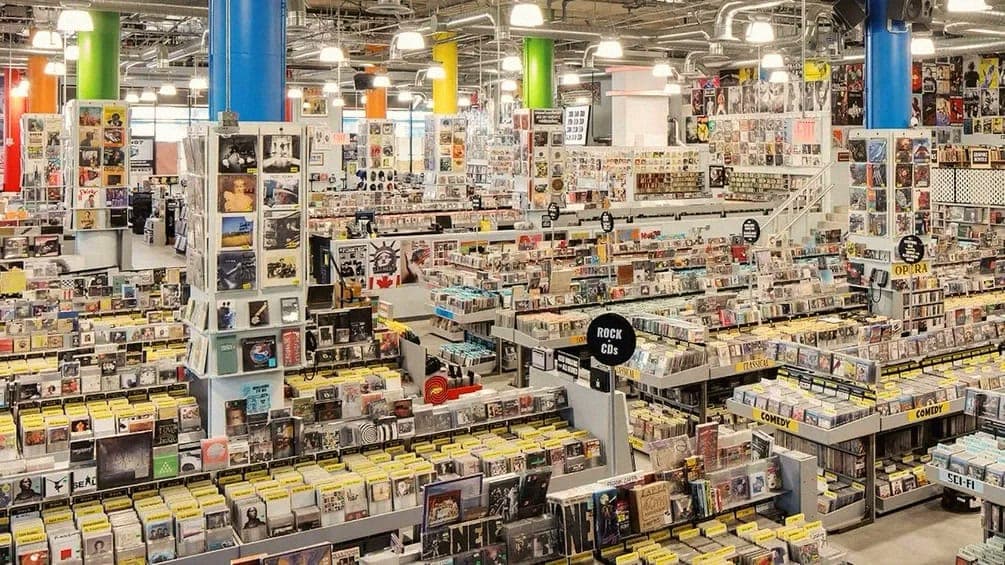
From late June through September, 11 independent US shops, including Amoeba Music in Los Angeles, Rough Trade in New York, Reckless Records in Chicago and Home Rule Records in Washington, are acting as drop-off points for dead vinyl. You bring in records that are warped, scratched or simply unplayable, any artist, any label, any condition, and the store collects them. Warner Music Group is behind the scheme, and a recovery firm called Virterras Materials picks the records up to work out what can be pulled back into the material stream.
Can a scratched record really become a new one?
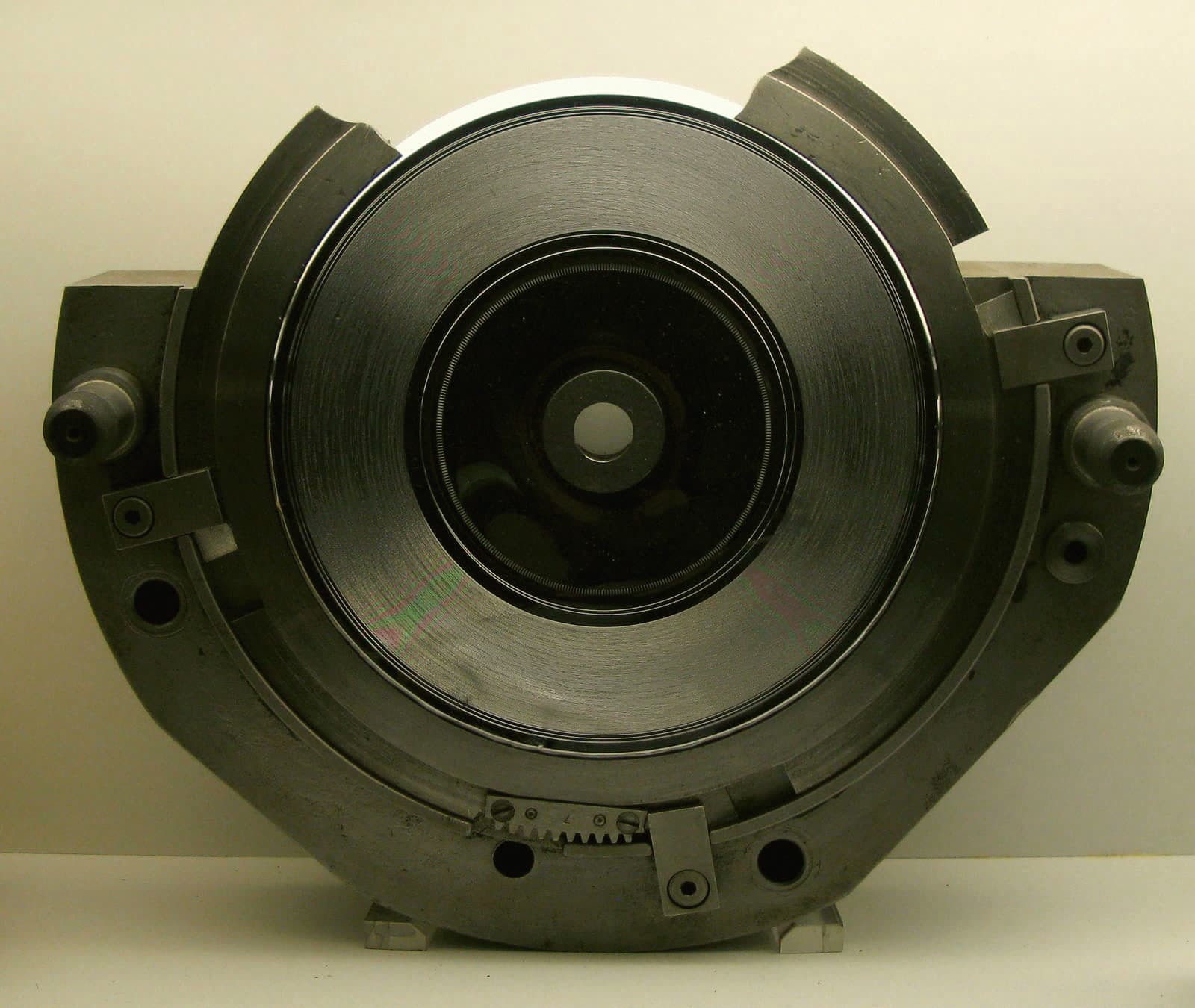
That is the bet. Back in May, Warner ran a test with the Czech pressing giant GZ Media and Abbey Road Studios: they shredded roughly 10,000 unsold records and pressed them into fresh, commercial-grade vinyl. The blend that sounded best was 25 percent recycled PVC to 75 percent new, and Warner put the carbon saving at about 10.6 percent against pressing from virgin material. Abbey Road mastering engineer Miles Showell said the pressings held up across the different blends, which is the sentence the whole idea rests on: recycled and good-sounding do not have to fight.
"Independent record stores have long served as gathering places for music fans and stewards of music culture." Madeleine Smith, Warner Music Group
Is this real, or a major label going green for the optics?
Fair question. Vinyl passed a billion dollars in 2025, and the same majors selling all that plastic are the ones now offering to take the broken bits back. PVC is nasty stuff to make and nastier to bury, so a working take-back loop is genuinely useful, and record shops make sense as the collection point since that is where the diggers already are. The test is scale: 11 stores and one pilot is a gesture, a nationwide system that quietly recycles a real share of the millions of records pressed each year would be a policy. A UK version, run by Key Production Group, started in 2025.