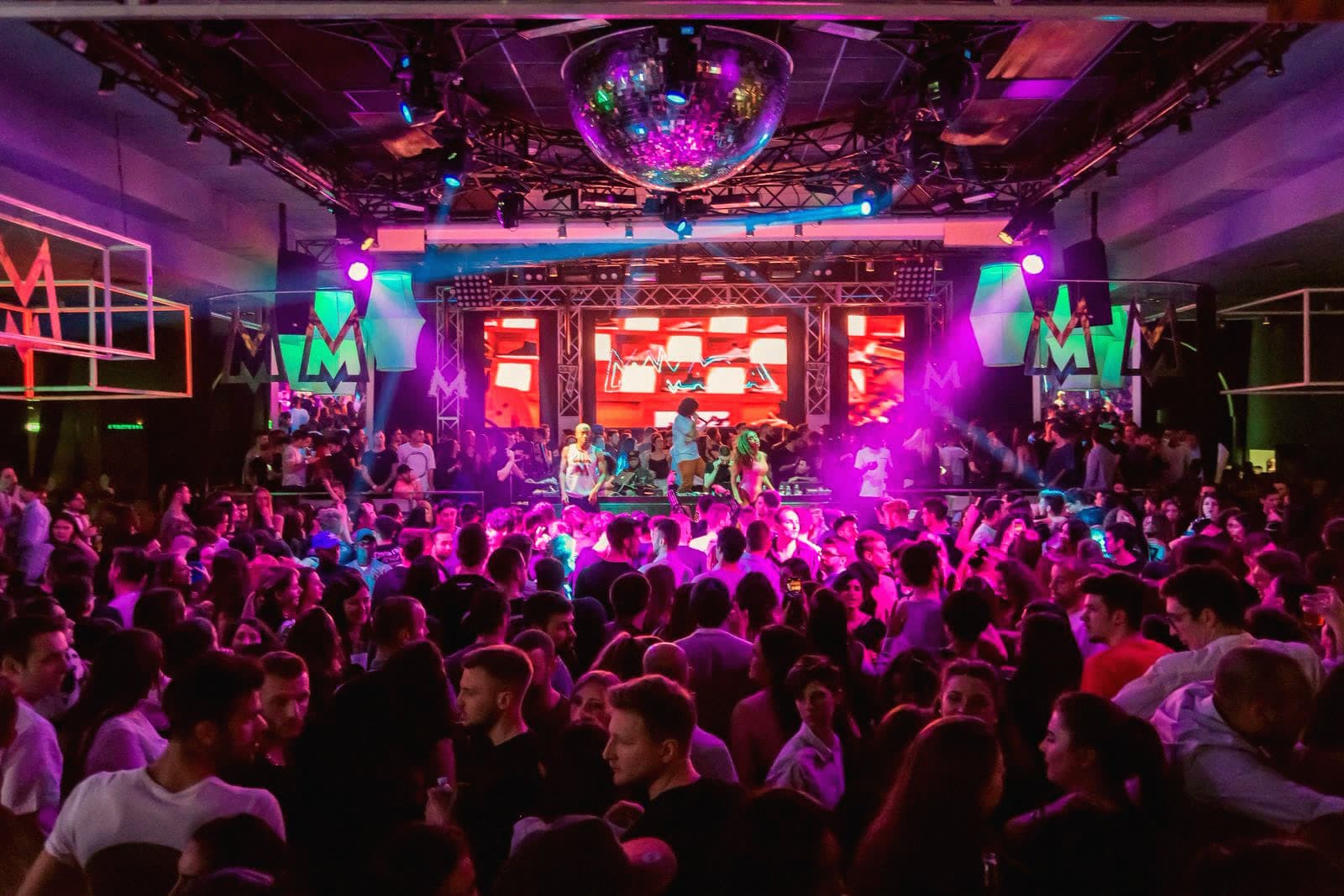
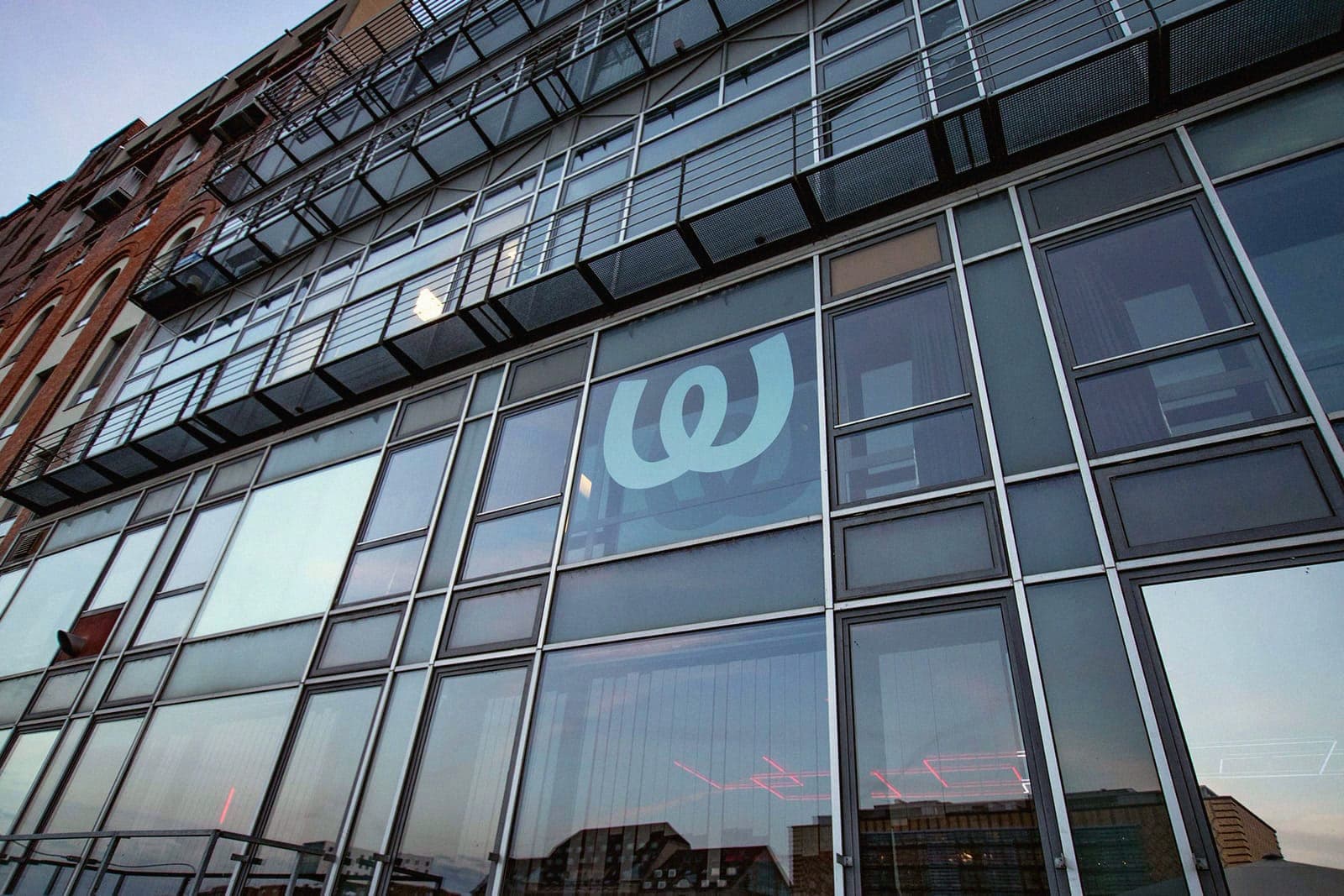
Watergate shut its doors at the end of 2024 after more than two decades on the Spree, priced out by the same landlord group that owns the Oberbaumbrücke building it sat in. Now, per Groove and Faze Magazin, Padovicz-Gruppe has told German public broadcaster RBB that an "internationally successful" club operator is moving into that exact room. No name, no opening date, just the announcement that the space will be a club again, under someone else's name and somebody else's lease.
Who is Padovicz, and why does Berlin's club scene blame him?
Gijora Padovicz's real-estate group controls a chunk of Kreuzberg and Friedrichshain property along the river, including the Oberbaumbrücke building that housed Watergate for its entire run. When Watergate closed, it pointed directly at rent and cost pressure from that landlord. Groove's report goes further, stating plainly that Padovicz has "repeatedly obstructed club operators," and cites the history of Wilde Renate, another techno room in a Padovicz-owned building, as an earlier example of the same pattern. This isn't a one-off dispute over one lease. It's a landlord the scene has learned to expect friction from, twice over, in two of the city's most important rooms.
What do we actually know about the new tenant?
Barely anything, and that gap is the story. Padovicz-Gruppe's own description, an "internationally successful club operator," is vague enough to mean almost anyone: a foreign promoter group, an existing German brand expanding, or a hospitality operator with no techno pedigree at all. Faze Magazin confirms that Berlin Projekt Immobilienmanagement GmbH, the Padovicz-linked entity managing the building, has not put out an on-record statement identifying who it is. Berlin's club press is watching the ownership structure closely, precisely because the same company also holds the keys to Wilde Renate.
Why does a new tenant matter more than a normal lease change?
Because the room isn't neutral. Watergate's terrace over the Spree, its glass wall onto the Oberbaumbrücke, was part of what made it one of Berlin's most recognisable clubs for 22 years, and it closed specifically because its own landlord made staying unaffordable. Whoever moves in next inherits that reputation, that view, and that history, while the landlord that emptied the room in the first place collects rent on it again. For an independent scene that's spent two years mourning Watergate as a symbol of Berlin losing ground to real-estate pressure, watching that same real-estate group profit from refilling the space is exactly the kind of story that keeps the anger current.
Padovicz-Gruppe has "repeatedly obstructed club operators," Groove reported, citing Wilde Renate's history as a prior example.