Why is a Berlin queer festival landing in São Paulo?
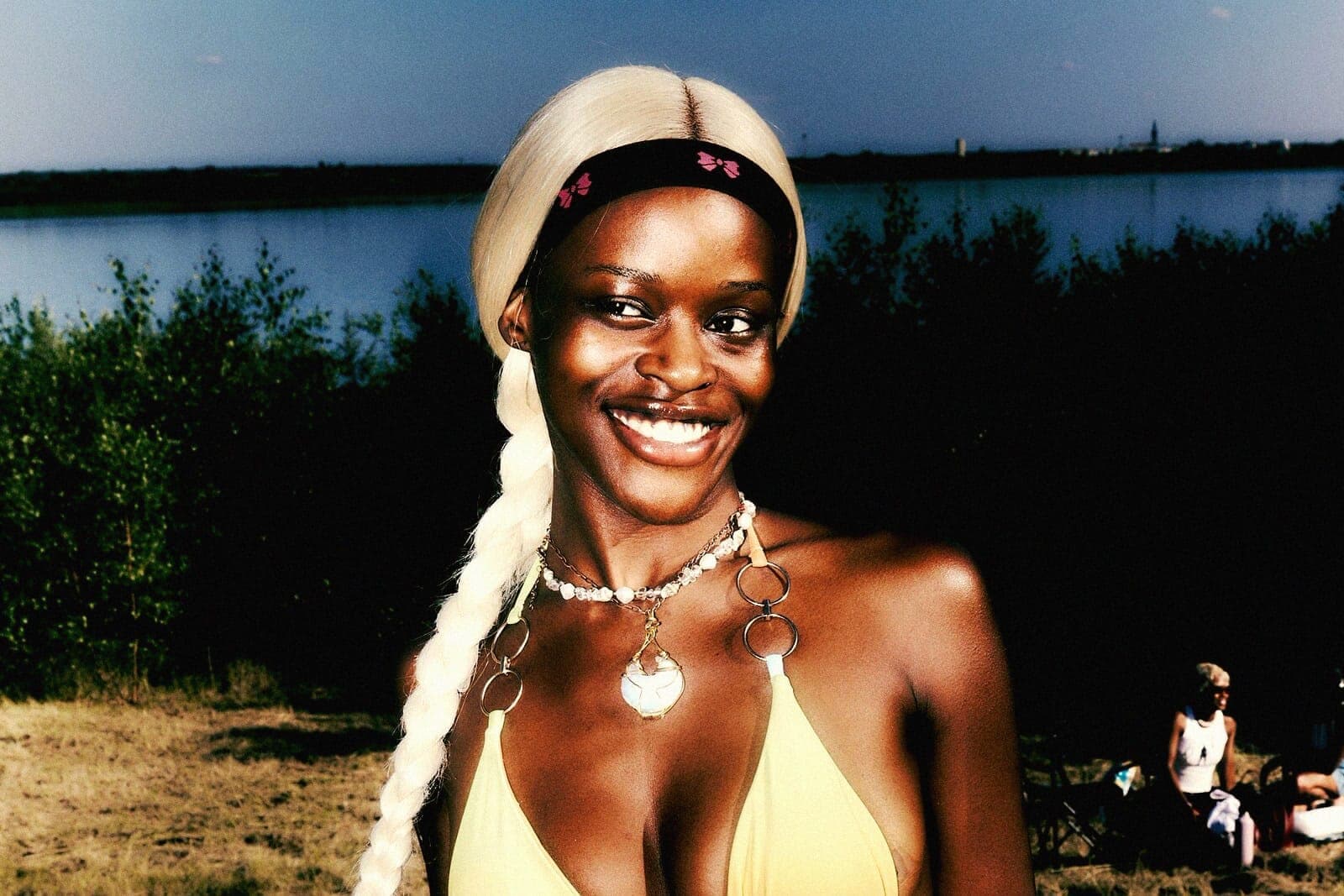
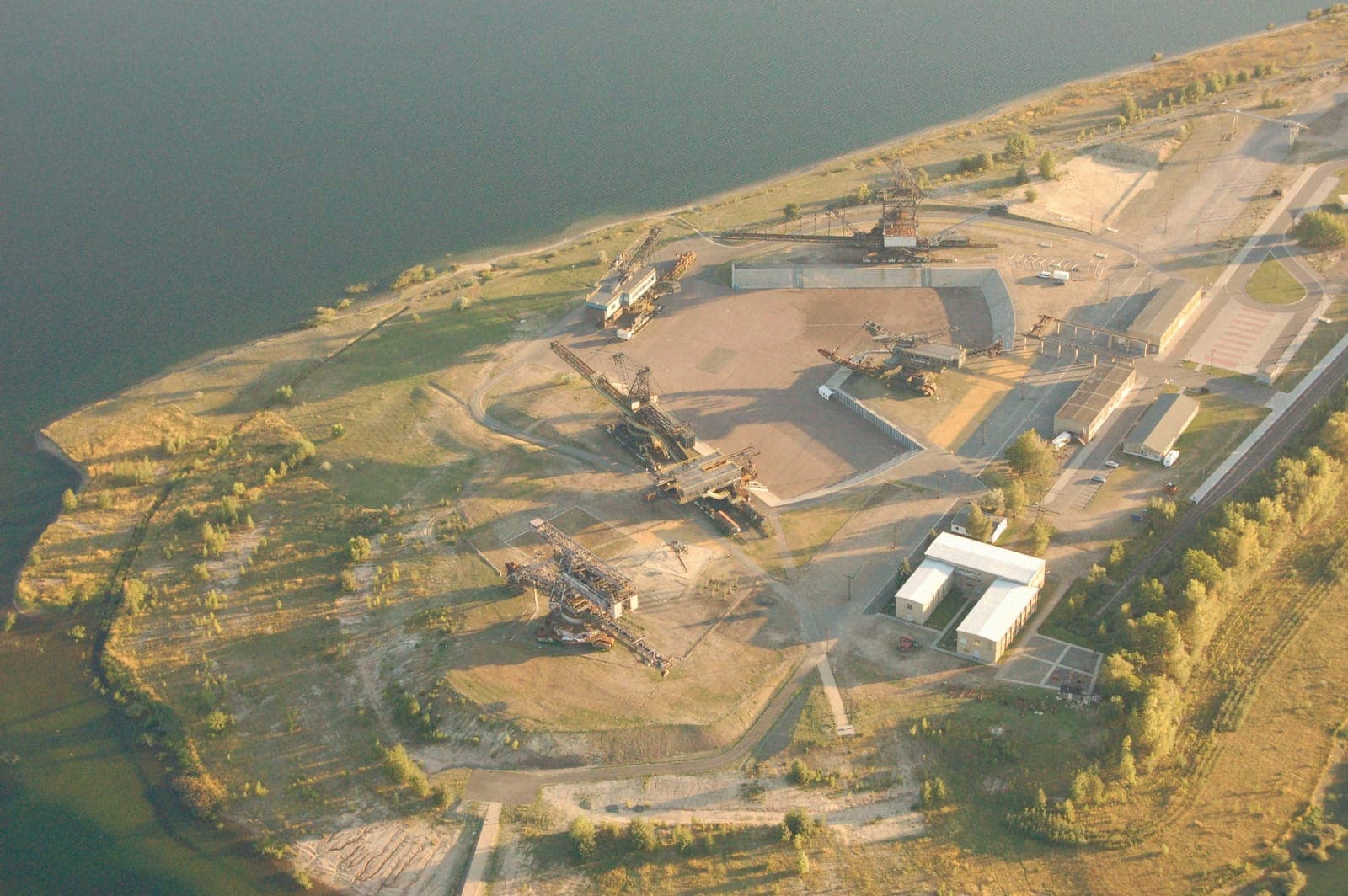
WHOLE Festival built its name at Ferropolis, the rusted former open-pit mine outside Berlin where it has run every summer since 2017, growing into one of Europe's biggest queer house, disco and techno weekends. The collective teased a Brazilian "next chapter" back in July 2026, without naming a city or a date. That changed in August, when WHOLE Festival confirmed São Paulo, November 6 to 8, 2026, as its first edition ever held outside Germany.
Who's actually on the lineup?
The bill pairs the festival's usual roster of queer club royalty with São Paulo's own scene. The Blessed Madonna, Massimiliano Pagliara, Lakuti and Tama Sumo headline alongside Brazilian names Rafa Maia and LOLSNAKE, with live sets from Isma, Katy da Voz e as Abusadas and Juju ZL. Top of the live bill is Linn da Quebrada, the São Paulo singer, actress and trans-rights figure who has spent a decade turning funk and queer pop into protest. Local collectives Novo Affair, TESÃOZINHO INICIAL, BULTO and Prncptl round out the weekend, rooting the import in parties that already exist in the city rather than dropping a brand on top of them.
What does free entry for trans and disabled ravers actually change?
The ticketing grid is where the real statement lives. Buyers who identify as FLINTA, women, lesbian, intersex, non-binary, trans or agender, get a discount, and admission is free outright for trans, non-binary and disabled attendees. It is the same logic as the Solidarity Program WHOLE runs at its Ferropolis edition, which the festival describes as built to:
provide free access to those most affected by systemic inequalities, prioritizing refugees, Black and POC folks, trans and gender-expansive people, people with disabilities, and others whose bodies are marginalized or excluded.
Carrying that structure into Brazil, rather than softening it for a new market, is the actual news here. Public visibility carries different stakes for trans people depending on which country they're standing in, and writing free entry into the door policy, instead of treating it as a PR line after the fact, is a bet that a European queer-safety model survives the trip south.