Why is the Memorymoog getting cloned three times in one year?
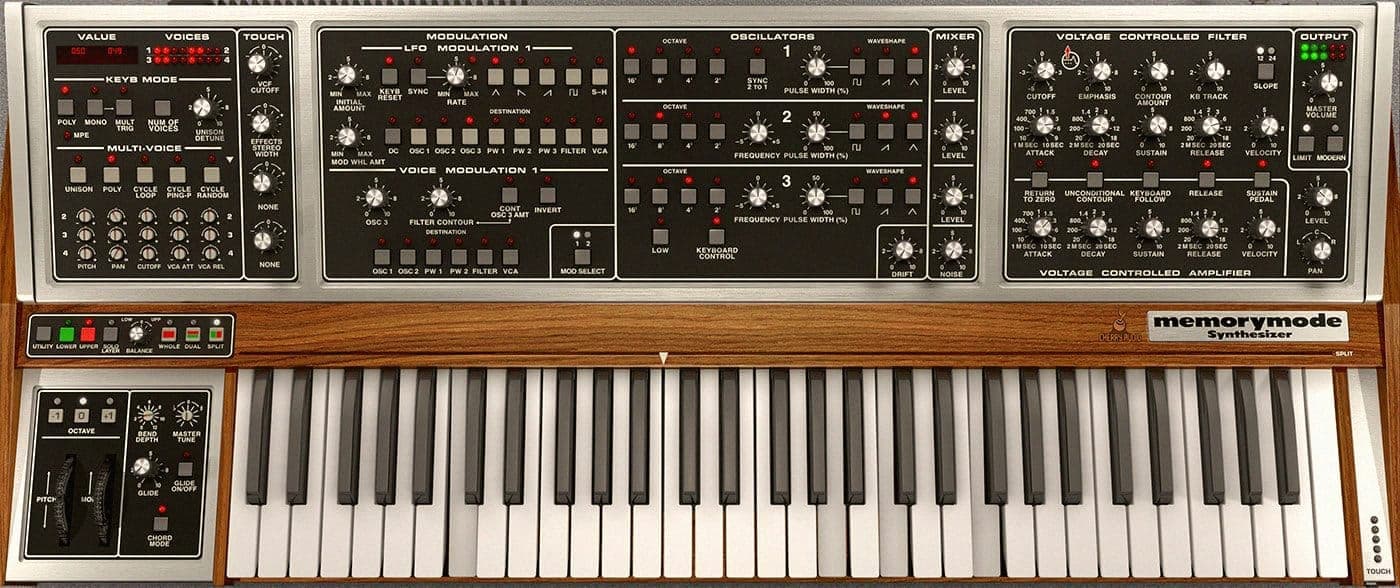
Moog's Memorymoog was the company's answer to the polyphonic wave of the early '80s, a fully analog six-voice flagship launched in 1982 and pulled from production a few years later after reliability problems made it a nightmare to keep running. Only a few thousand units were ever built, and working hardware now trades for five-figure sums. That scarcity is exactly why 2026 turned into open season: Arturia shipped Memory V, Cherry Audio followed with MemoryMode 2, and now Xils Lab has thrown MemoryTone into the ring, all chasing the same producers who will never touch the real hardware.
Is the cheapest one actually as good?
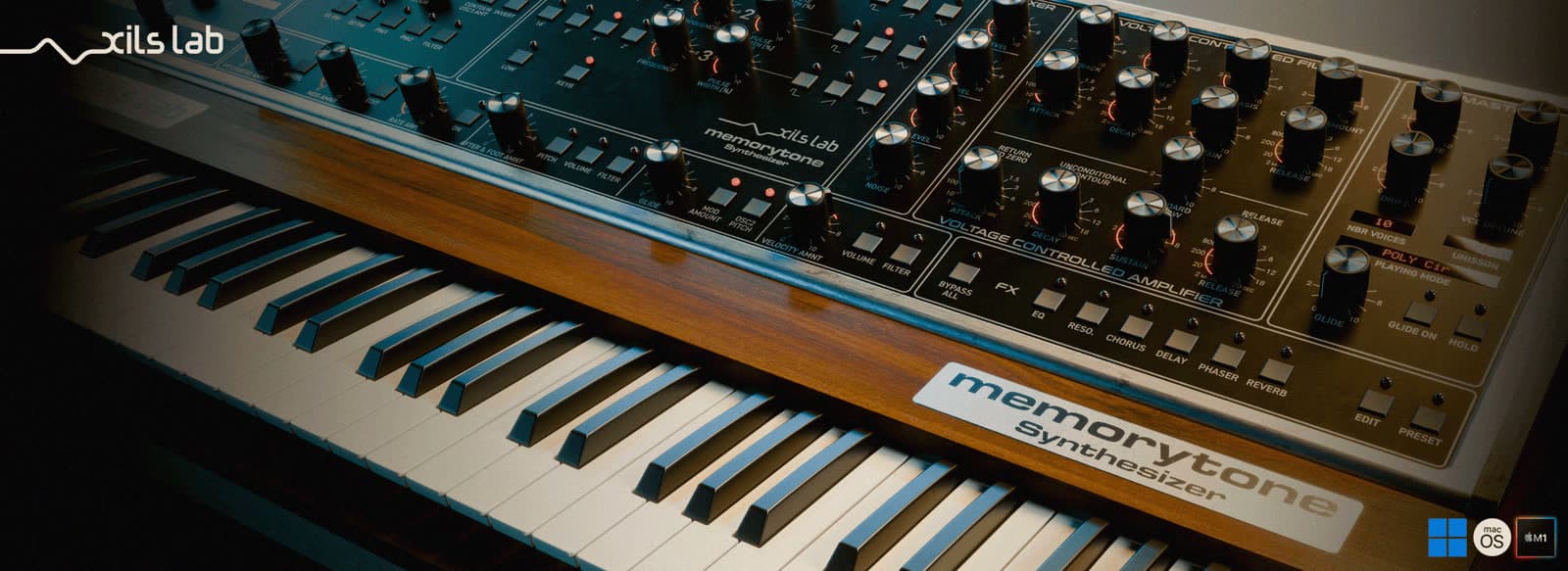
That's the question splitting gear forums this week. Xils Lab is pricing MemoryTone at an introductory 79 euros, rising to 199 euros, a wide margin under both established rivals. On paper the spec sheet reads just as deep as the competition: three multi-wave oscillators per voice, a sub-oscillator, 16-voice polyphony and a 24dB self-oscillating ladder filter built to scream the way the original could. Xils Lab isn't a newcomer chasing a trend either, the same team built The Eighty, a CS-80 emulation well regarded among synth heads, which buys the low price more credibility than a random plugin house undercutting on release week.
"The year 2026 was heavily influenced by the Memorymoog in the emulation space," per Synth Anatomy.
What does MemoryTone add beyond the clone?
Where MemoryTone tries to pull ahead is the effects rack bolted onto the emulation: chorus, delay, phaser, reverb, EQ and a resonator section, none of which existed on the 1982 original. It also runs full MIDI and MPE, and packs an arpeggiator with an advanced latch mode, useful for producers building evolving pads rather than chasing a single vintage patch. It's shipping now as VST, VST3, AU and AAX on macOS and Windows, protected by iLok software or a hardware dongle.