Why is a tropical festival brand landing in a 1976 Olympic relic?
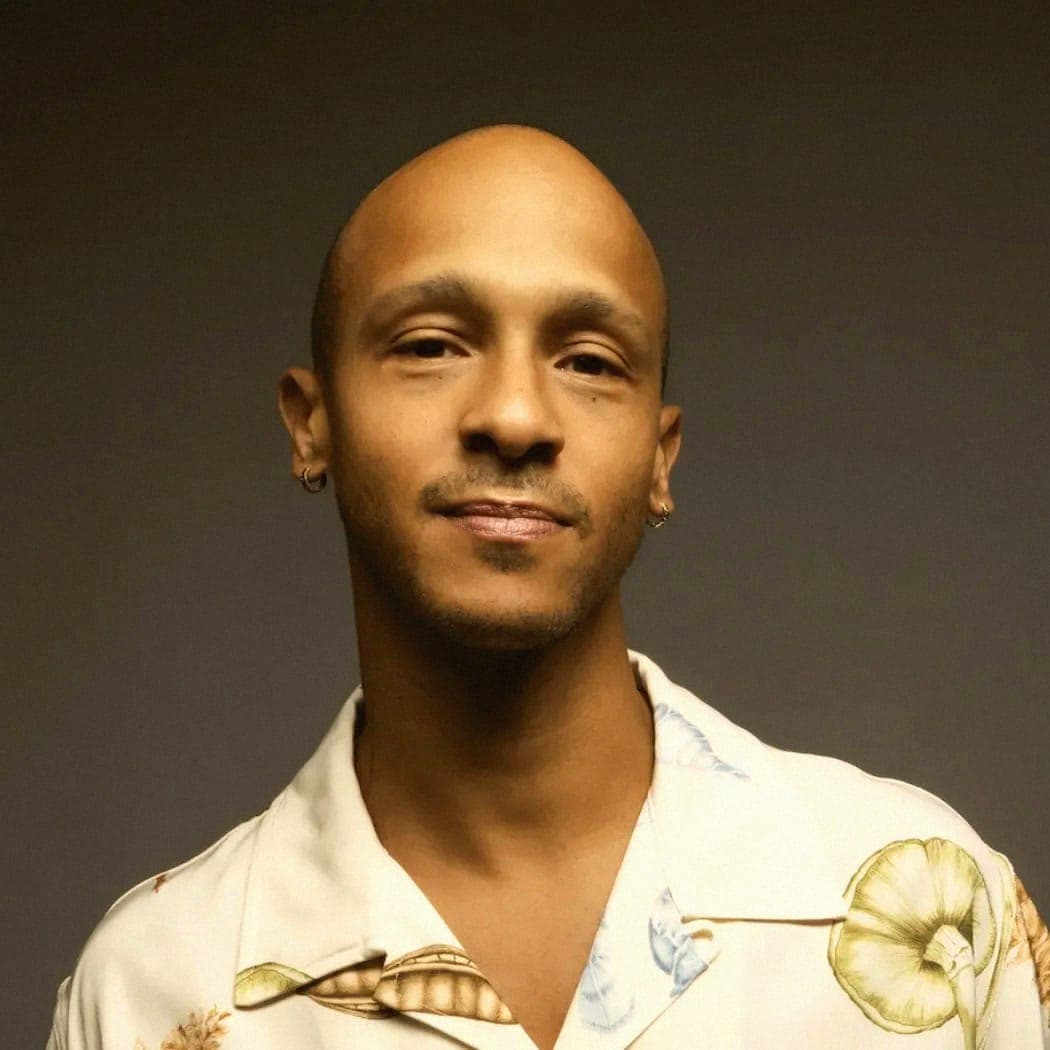
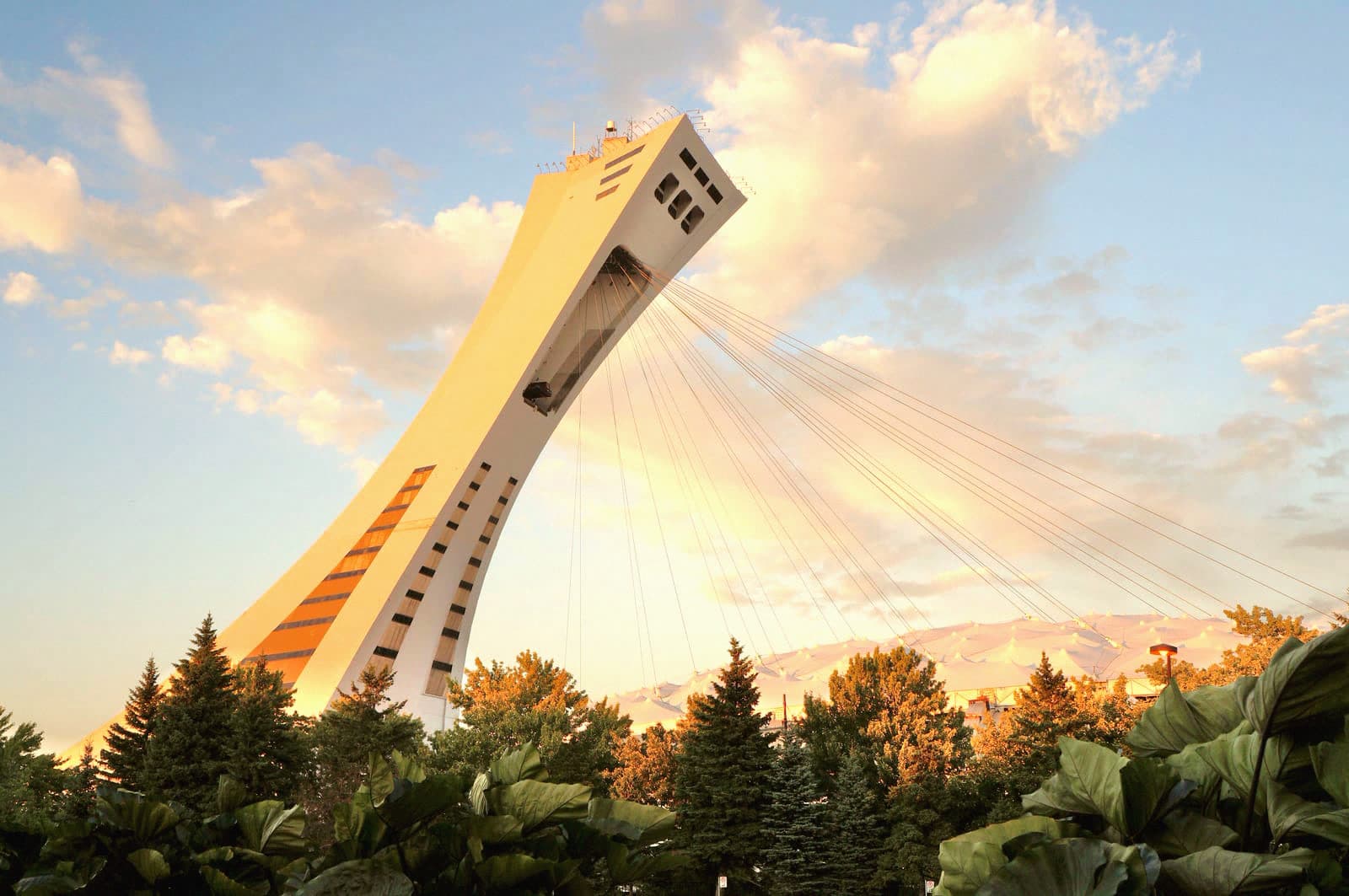
ARTBAT and HUGEL headline the first-ever Zamna Montreal on November 21, 2026, and the venue says more about the brand's ambitions than the lineup does. Zamna built its reputation staging house and techno nights among Tulum's jungle ruins and on Riviera Maya sand, then carried that format into European cities. Montreal hands it something it has never tried: a 50 year old, Brutalist Olympic Stadium, built for the 1976 Summer Games, in the middle of a Canadian November.
The show takes over the East Hall, known locally as Hall Est, a convertible space inside the stadium complex rather than the main athletics bowl, according to Resident Advisor's event listing. It's Zamna's first edition in the city and, by the brand's own public calendar, its first stop inside a North American stadium venue, outside the Mexican Caribbean circuit it was built on.
What's actually on the bill?
ARTBAT and HUGEL top the poster, per Resident Advisor, which notes additional artists and special guests are still to be announced. Doors open at 7pm, and Paso Doble and Julian Prince play a back-to-back set between 8 and 9pm, according to the event listing on When We Dip. That slot sits squarely in the tech house and melodic techno lane Zamna has leaned on at its other editions, a sound built to fill a cavernous room, not just a beach dancefloor.
Why does the venue matter more than the names?
ARTBAT and HUGEL have both played arenas before; neither booking is the story on its own. What's actually being tested is whether Zamna's production, lighting and crowd experience, engineered for open-air tropical settings, works inside a concrete venue best known for a retractable roof that never reliably worked and decades of maintenance bills. Montreal's Olympic Park has spent years hunting for modern, non-sporting uses for its most expensive legacy structure; a touring dance music brand filling one of its halls is exactly the kind of booking the complex has been chasing.
If the format holds up in a room this far from Tulum, it's a signal to every other touring festival brand sitting on tropical-market credibility and wondering whether that travels into cold-weather cities with underused arenas to fill.