Who's actually on the bill now?
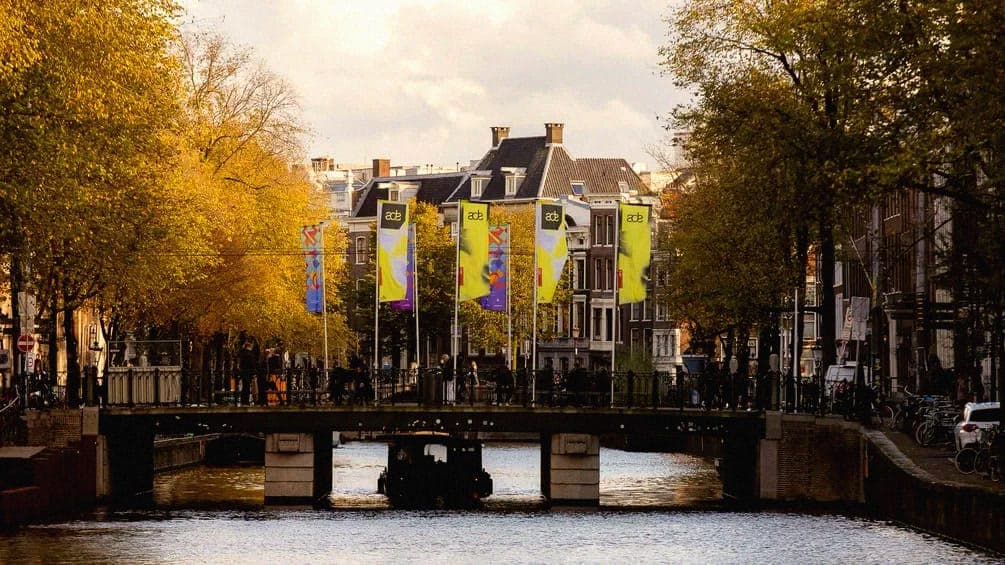
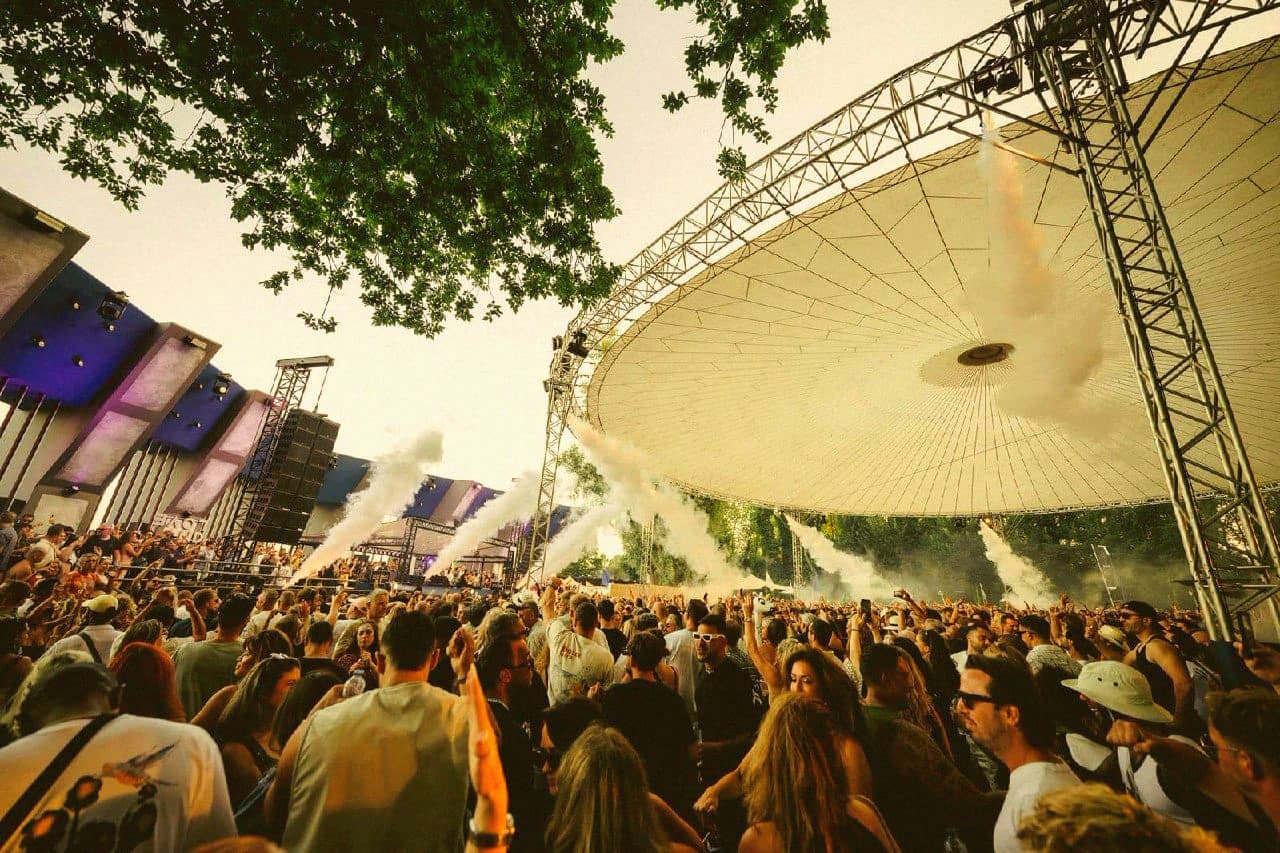
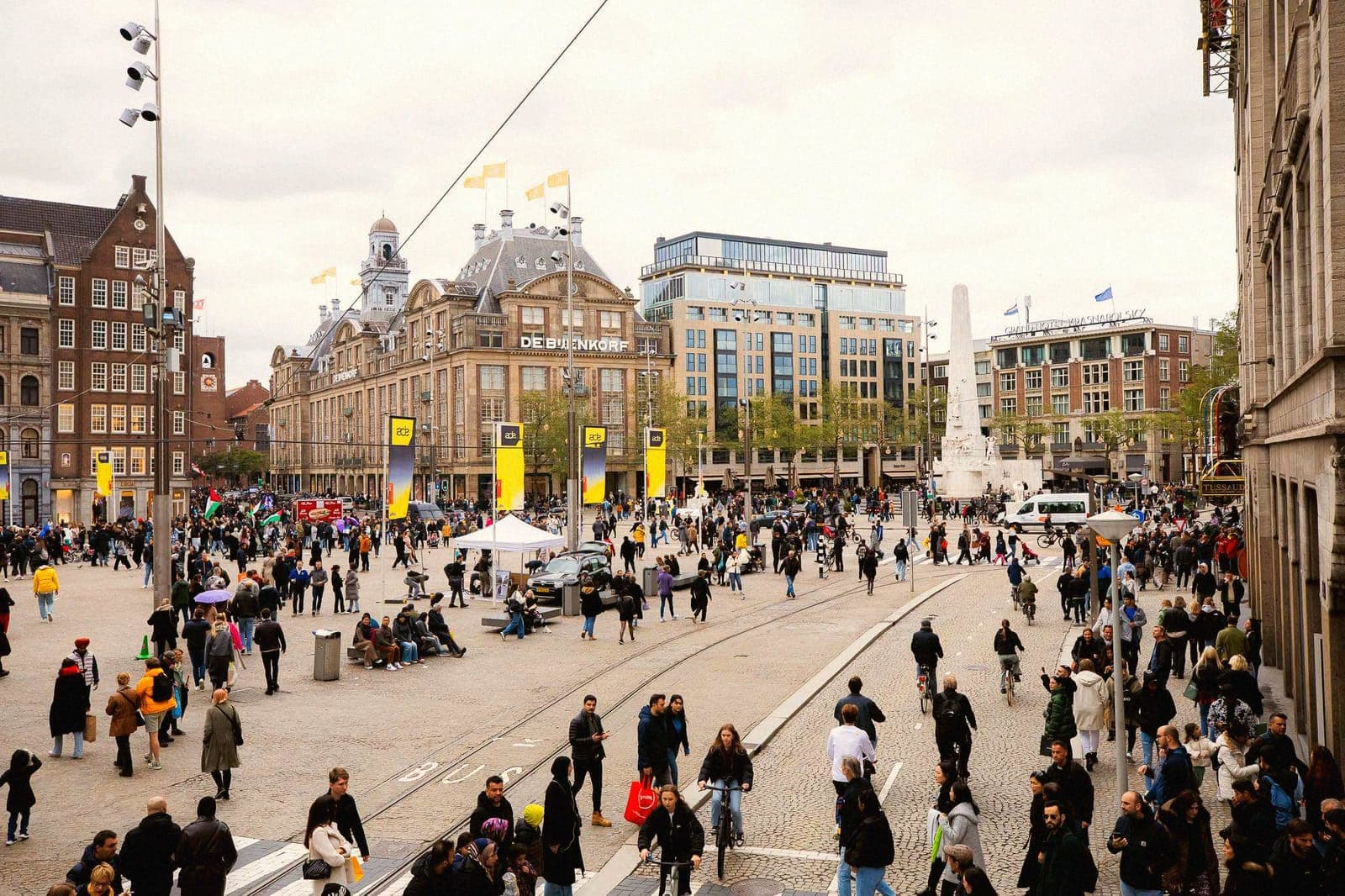
ADE's second wave for its 30th anniversary pushes the confirmed lineup past 1,500 artists, with the full week, October 21 through 25, drawing more than 3,300 performers across 200-plus venues around Amsterdam. The newly confirmed names include Äme, Ben Klock, DJ Stingray 313, Eric Prydz, HAAi, Kittin & The Hacker, Maceo Plex, Max Cooper, Miss Monique, Paul Kalkbrenner and Todd Terry.
That spread is by design, not accident. Ben Klock and DJ Stingray 313 carry the minimal and Detroit techno lineage that built ADE's credibility with the underground in the first place: Klock as the Berghain resident who defined a decade of the Klockworks sound, Stingray as one of the last DJs still running the Underground Resistance bloodline on the road. Paul Kalkbrenner and Eric Prydz sell out arenas. Booking both under one 30th-anniversary banner is a statement about who ADE now considers its core audience: everyone.
Why is a ballet remix sharing a bill with Ben Klock?
Because ADE isn't only booking club nights this year. Boris Acket is staging a large-scale installation called EINDER, Het Nationale Ballet is performing Swan Lake Remixed, the ARTIS Planetarium is hosting a Dome Concert series, and the ARTIS Aquarium gets a 4DSOUND immersive-audio experience. None of that used to be what ADE meant. For most of its history, the festival's identity was the week Amsterdam's clubs turned into one overlapping, wall-to-wall bill for the underground; the conference side existed to service that, not compete with it.
Booking Ben Klock and DJ Stingray 313 in the same wave as Paul Kalkbrenner and Eric Prydz isn't a contradiction. It's ADE reading its own economics correctly.
What does that tension actually say about ADE at 30?
Thirty years in, ADE is hedging its identity two ways at once: keep the credibility that comes from booking Klock and Stingray in the same week as an actual techno underground, while building the kind of ticketed, institutional programming, ballet, planetarium, immersive sound art, that keeps the city, its venues and its cultural partners invested year-round, not just during club hours. Whether that reads as ambition or dilution depends on which of those 3,300 artists you came to see.
European club culture doesn't have a bigger annual test case than this. When the continent's largest dance-music week hedges its bets between Klockworks-style techno and stadium-scale crossover, smaller festivals tend to follow within a season or two.