Didn't afro house already peak?
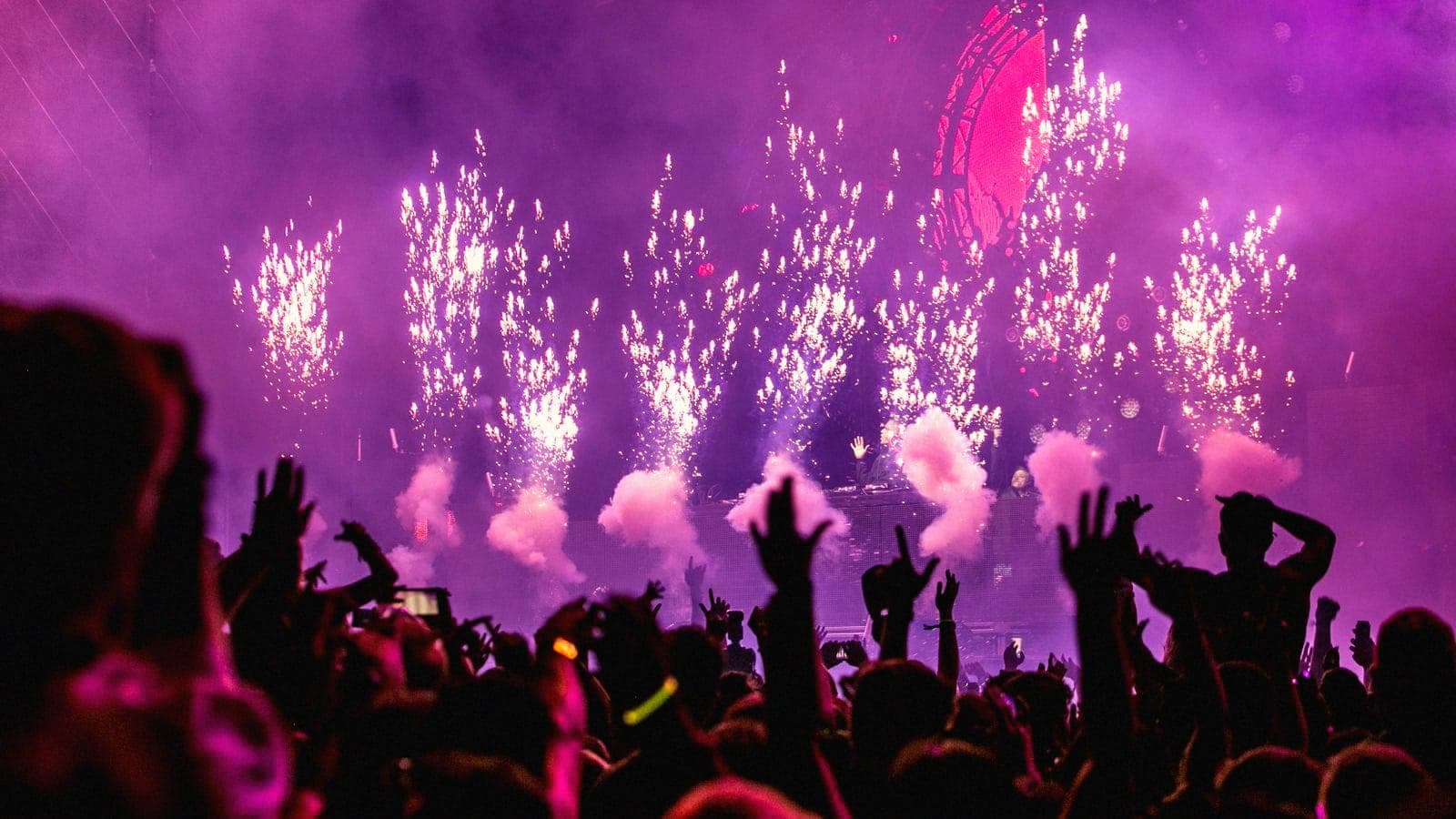
That is the line you hear in every green room: afro house had its moment, it went pop, it is over. The download numbers say the opposite. On Splice, the sample library producers actually build tracks from, afro house downloads jumped 778 percent in a year, from 760,355 in 2024 to 6.67 million in 2025, and that single genre accounted for close to 70 percent of all house-music growth on the platform. Black Coffee is back at Hi Ibiza for an eighth straight summer. Tomorrowland, the most mainstream festival on earth, built a dedicated Afro house stage for the first time. A sound does not do all of that on its way out.
So what is actually changing?
The interesting story is not size, it is fragmentation. Afro house is splintering into distinct sounds that used to sit under one tag. 3Step is the loudest of them, born in Ivory Park in Johannesburg during the 2020 lockdowns: a three-kick pattern inside a 4/4 bar, slowed to 113 to 120 BPM, that bolts amapiano's low end onto afro house's wide, spiritual pads. Around it sit afro-tech, a harder, club-facing strain, deeper vocal-led South African house, and a fast-growing hybrid zone where afro and Latin rhythms meet on the same record. On Beatport the whole family climbed from the 23rd to the 4th most-searched genre in two years.
Who owns the sound as it goes global?
This is where it gets tense. The engine room is still South African, Caiiro, Da Capo, Enoo Napa, Thakzin, an entire generation that built the language. The biggest paydays increasingly sit with global-north acts and collectives who arrived later. Nobody is saying the newcomers cannot play it; the sound travels because it is generous. But as afro house becomes festival wallpaper from Tomorrowland to Ibiza, the question of who gets the headline fee, and who gets a thank-you, is the argument that will define its next two years.