Who is actually getting squeezed?
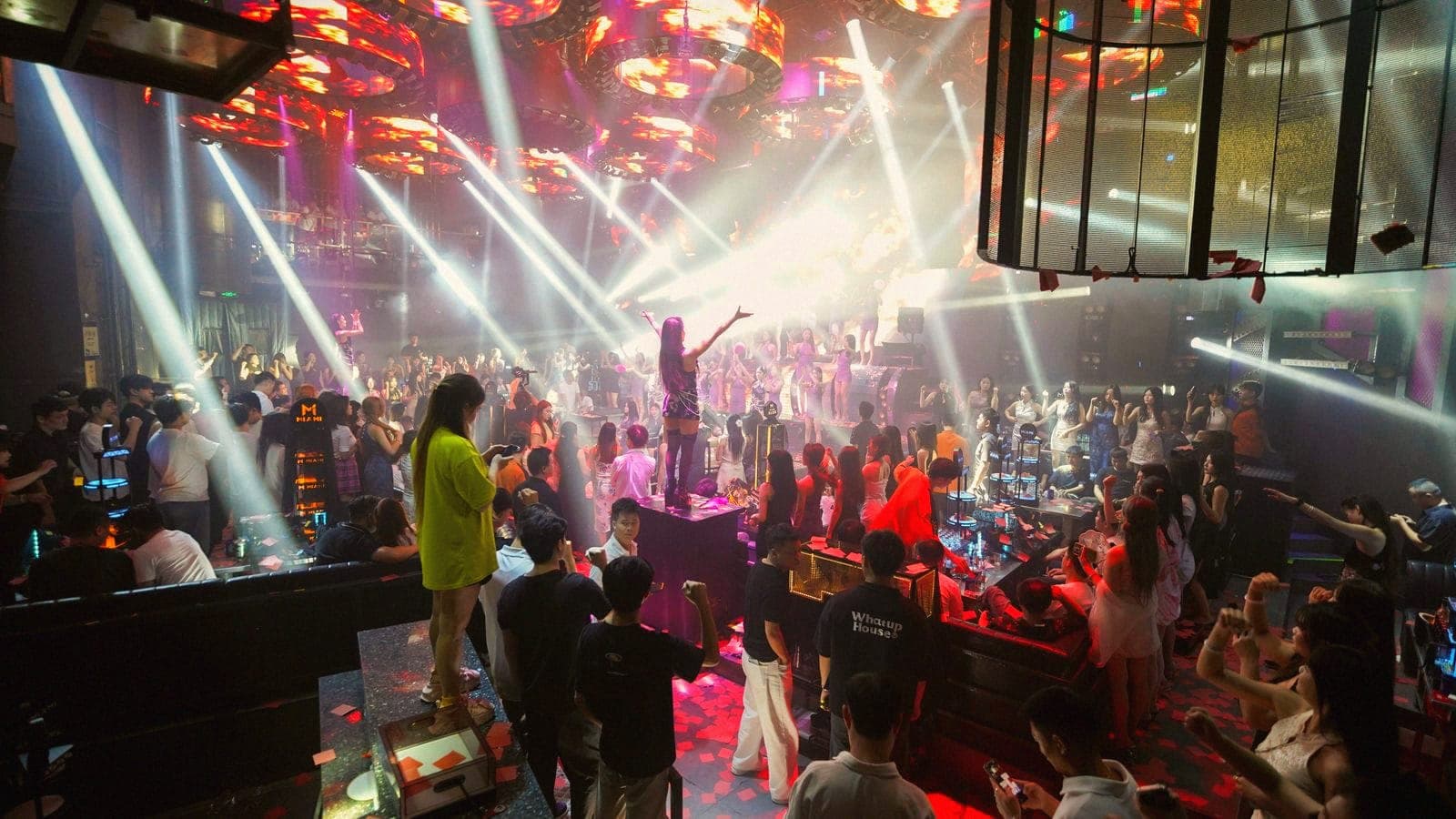
Not the headliners. The squeeze is landing on the rooms that hold 200 to 800 people, the independent clubs and promoters who built local scenes one night at a time and now cannot make the maths work. The story bookers tell in 2026 is the same everywhere: a fee that sat near 50,000 dollars a few years ago now arrives at 80,000 or more, before flights, hotels and the rider. To clear that, a promoter has to pack the room beyond comfort, push entry prices up, and pray nothing goes wrong, just to break even on a single night.
The people who lose first are the smallest and least cushioned: newer promoters, poorer promoters, promoters of colour without a war chest to absorb a half-empty Friday. Every agent picks the highest bid, so the venues with the deepest pockets keep the names, and everyone else is left fighting over the dates nobody wanted. Clubs are closing at a rate the scene has not seen in a generation, and more and more operators are naming the fee, not the rent, as the thing that finally broke them.
Is the headliner model the real problem?
That is the argument gaining ground. The case, laid out bluntly in trade pieces across 2026, is that the touring-headliner model gives a venue nothing it can keep. You pay a five-figure sum, you get one night, the crowd comes for the name and not the room, and when the set ends the money drives to the airport. There is no loyalty in it, no identity, no return on the investment beyond a single door count.
You are renting a crowd for one night, and you are renting it from someone who will sell to your rival next week for more.
The alternative being pushed is older than the problem: residents. A resident is local, so there are no flights, no hotels, no rider standoff, and the fee is a fraction of a touring rate. More importantly, a resident builds something. A room with a musical identity of its own, a sound people trust on a random Thursday, does not live or die by which name it can afford this month. Bring the big bookings in occasionally, as a treat, and let the residents carry the rest.
So whose fault is it?
Here the scene splits, and honestly both sides have a point. One camp aims at the top: a sliver of DJs, the famous one percent, command fees that bear no relation to what a club can earn, and their agents have spent a decade training promoters to accept those numbers as the cost of doing business. Streaming metrics and festival budgets set the price, and the club circuit is told to keep up.
The other camp turns the mirror around. Nobody forces a promoter to bid, and as long as someone, somewhere, keeps meeting the number, the number holds. Agents are doing their job, which is to get their artist the best offer on the table. The fees are high because promoters, collectively, keep paying them. Both things are true at once, and that is exactly why the spiral has been so hard to break.