Cevin Fisher spent four decades proving that New Jersey house didn't need to borrow Chicago's or New York's story to matter on its own terms. On October 29, three days after his 63rd birthday, he died following what his family called a brief battle with cancer. The confirmation came from a statement circulated to the dance press on October 30, and by October 31 tributes from Louie Vega, Satoshi Tomiie, Roland Clark and Hernan Cattaneo were stacking up across the scene he helped build.
What made Club Zanzibar different from the Garage or the Warehouse?
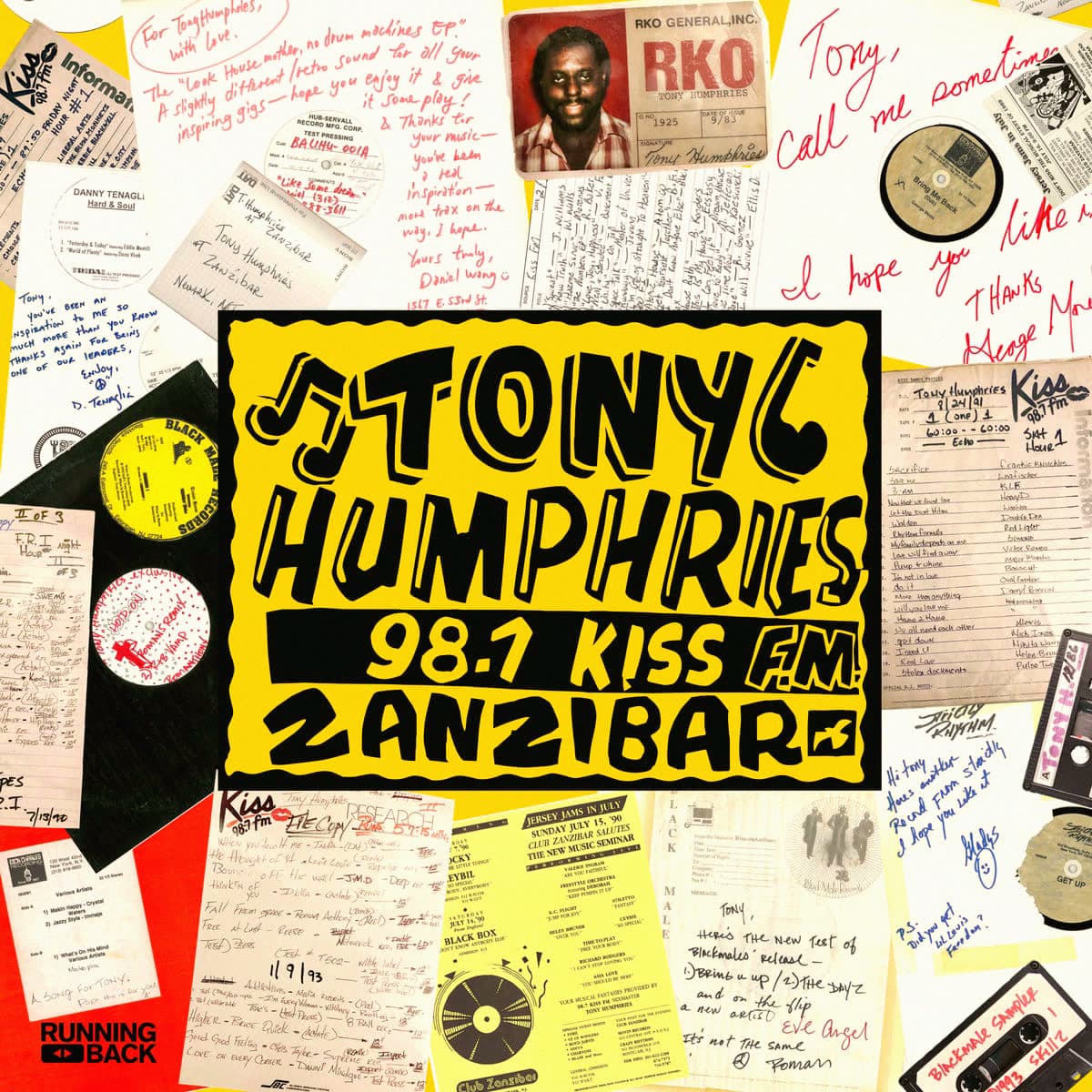
Fisher was 17 when he picked up his first residency at Club Zanzibar in Newark, the room that also launched Kerri Chandler and ran on Tony Humphries's Friday nights for most of the 1980s. Zanzibar gets flattened into a footnote in most house-music timelines that run straight from Chicago's Warehouse to New York's Paradise Garage, but it was its own axis: a mixed black and Latino crowd, its own DJ lineage, and a sound that leaned gospel-vocal and orchestral where Chicago leaned stripped-down and mechanical. Fisher absorbed that directly from Humphries while also making the trip to Larry Levan's Paradise Garage and the Loft, so his ear carried both rooms at once: Newark's garage-house muscle and the Garage's disco sweep.
Why do 'The Freaks Come Out' and '(You Got Me) Burning Up' still matter?
Fisher's path to those records ran through the studio, not just the booth. He engineered at Arthur Baker's Shakedown Studio in New York and worked alongside Timmy Regisford on Motown-adjacent sessions before his own productions landed. 'The Freaks Come Out', cut under the Big Freak alias, and '(You Got Me) Burning Up', featuring the late Loleatta Holloway, became the kind of tribal and garage house records that DJs outside the New Jersey circuit still reach for: five entries on the UK top 75 between October 1998 and February 2001, and remix work (Chaka Khan and Quincy Jones' 'I'll Be Good to You') that topped the US Billboard Dance Club Songs chart. He later worked the circuit with Danny Tenaglia, D. Ramirez, Prok & Fitch and David Morales, and put out records through Strictly Rhythm, Nervous, Tommy Boy and Toolroom, labels that trace the exact arc of house going from New Jersey club music to a global export.
"A yo party people, we got to keep this thing going!"
What does New Jersey house lose with him?
The Chicago-to-New York narrative that dominates house history has never had much room for Newark, even though Zanzibar incubated Humphries, Chandler and now a confirmed four-decade career in Fisher. His death closes off a direct line back to that room: he was there for it, worked for the people who built the sound around it, and kept putting records out under his own name into his sixties. That's a specific kind of loss, not a symbolic one. It's the kind of institutional memory that doesn't get rebuilt once it's gone.