Ask most people to name the DJ who invented vocal house and they'll say Larry Levan, spinning at the Paradise Garage in Manhattan. Across the river in Newark, New Jersey, a second architect was doing something just as radical for just as long, and the wider story has never quite caught up with him.
What made Club Zanzibar different from the Paradise Garage?
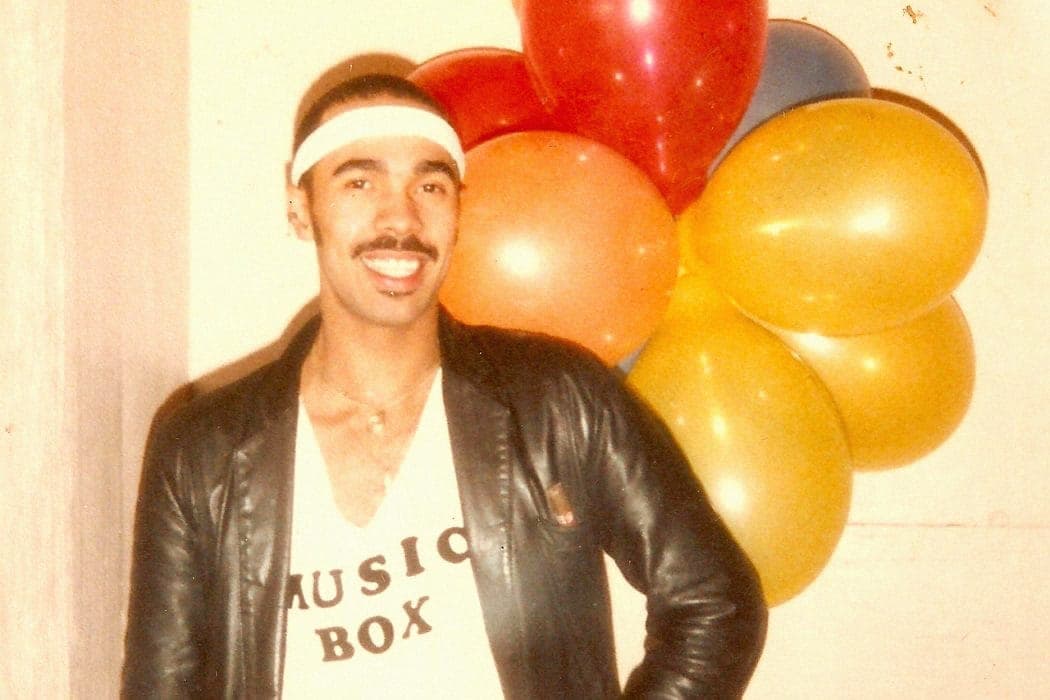
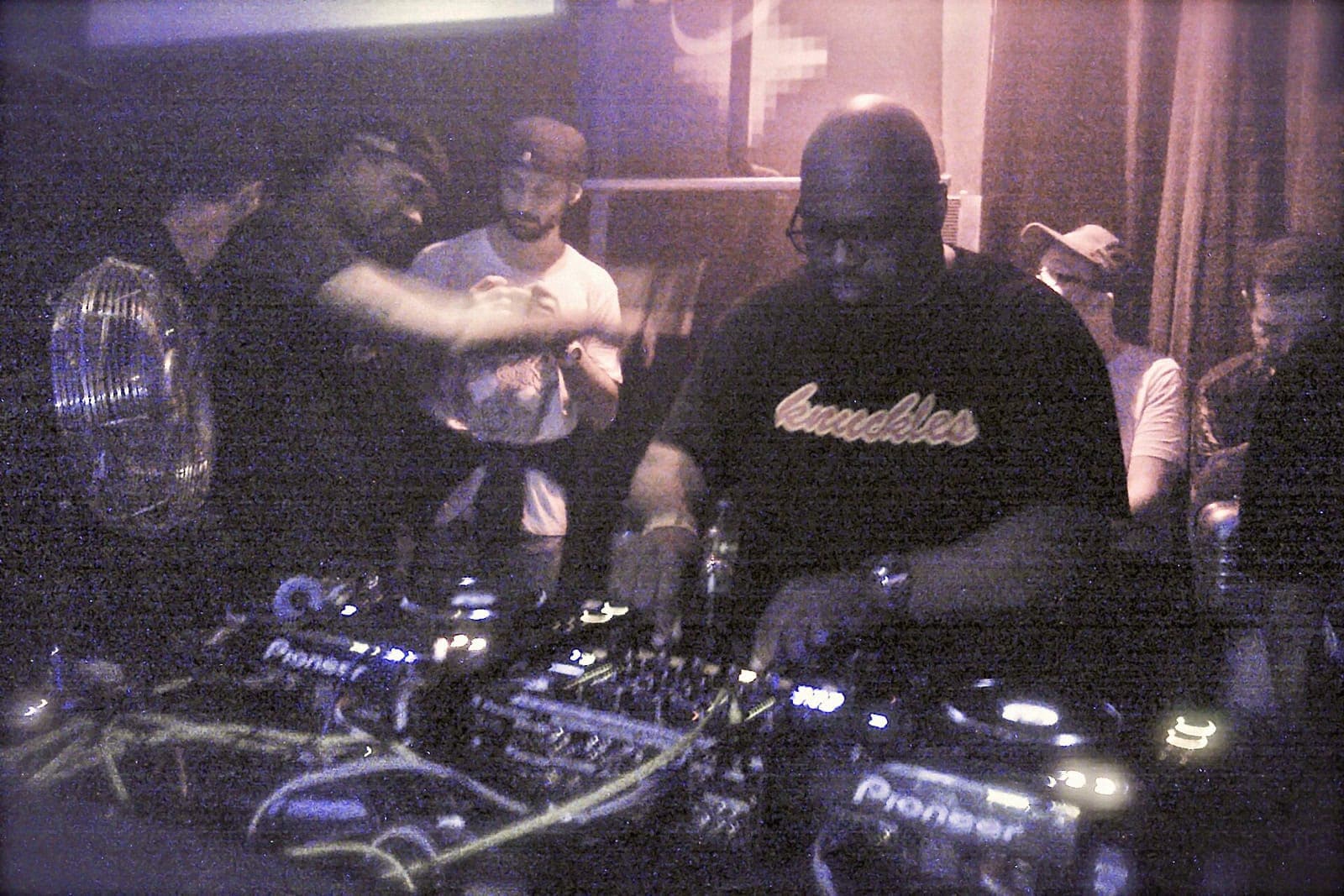
For twelve years, from 1982 to 1994, Tony Humphries held the residency at Club Zanzibar, a roughly 1,500-capacity ballroom on the second floor of the Lincoln Motel on Newark's Broad Street. Per Bandcamp Daily's new feature on the era, Zanzibar under Humphries is where the "Jersey Sound" took shape: a house sound soaked in gospel harmony, closer to a Sunday choir than a disco edit, and distinct from the more disco-rooted garage house Levan was refining at the Garage. Both scenes fed the same underground river. Only one of them became shorthand for the whole genre.
How did a radio show and a nightclub build one sound together?
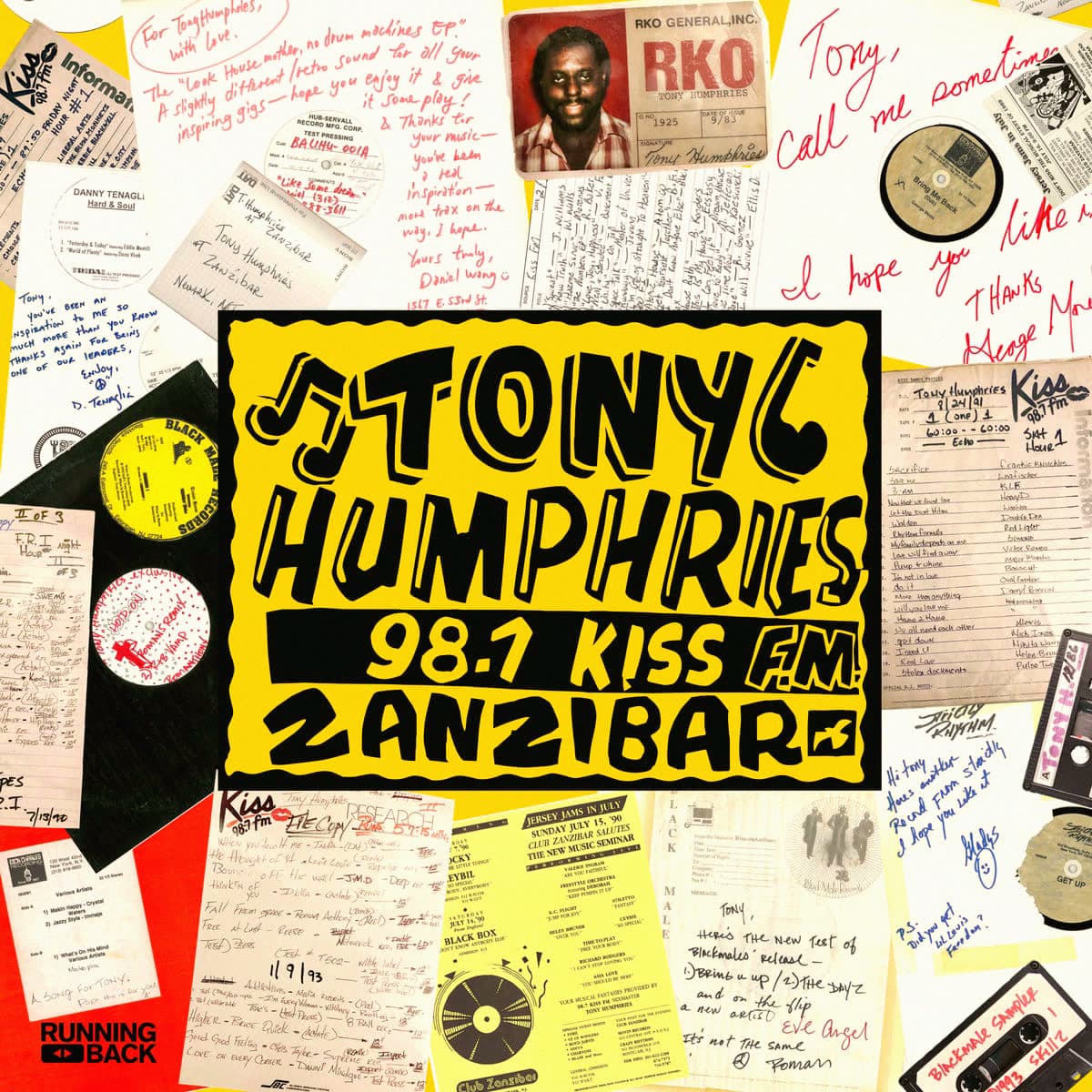
Humphries' other half of the operation ran on the airwaves. In 1981, Mastermix pioneer Shep Pettibone invited him onto New York's KISS-FM 98.7, where Humphries held down a weekend slot, 10 p.m. to 2 a.m., for most of the run through 1994, overlapping almost exactly with the Zanzibar years. The radio show wasn't a house-only affair: he threaded in new wave (Talking Heads, the B-52's), European synth-pop (DAF, Soft Cell), Belgian new beat and UK bleep and bass, exposing a citywide audience of far more than 1,500 listeners to the same records his dancefloor was breaking. That combination, a physical room and a broadcast signal running in tandem, is exactly how the Jersey Sound outgrew Newark.
"As a DJ, the music I play is not my music. It's everyone's music."
Why does gospel run through his version of house?
Humphries was born in San Andres, Colombia, and raised in Brooklyn, and per Bandcamp Daily he points to two formative sources: singing in a Baptist church choir, and his father Rene Jose Humphries Stephens, who performed as bandleader Rene Grand and played Latin jazz alongside Tito Puente and Eddie Palmieri. That mix, gospel testimony plus Latin bandstand discipline, is audible in the vocal house records his residency championed and helps explain why the Jersey Sound reads as warmer and more devotional than its New York cousin. He also names Larry Levan and David Mancuso's Loft as direct influences, not rivals, which is the more honest version of house history than the one-city-one-hero narrative usually told.
Why is this surfacing now?
Running Back Records has just put out archival Kiss FM Zanzibar Years compilations documenting the era, a Complete Bundle and a Part Two, running to 23 tracks and roughly 111 minutes with a 90-minute Mastermix thrown in. Several tracks, from Jomanda, Romanthony and Kerri Chandler among others, are previously unreleased. It's a straightforward act of correcting the record: the tapes existed, the story was undertold, and somebody finally cleared the rights and did the archival work.
Why it matters
The gospel-vocal backbone of the Jersey Sound is still the load-bearing wall under most of today's deep and vocal house revival, from Kerri Chandler's own catalogue to the current run of choir-sampling club records. Crediting Humphries properly, alongside Levan rather than beneath him, changes how the genre's origin story gets told.
What we think
House history has flattened into a one-club myth because the Paradise Garage got the documentaries and the reissue machine first. Zanzibar deserved the same treatment two decades ago. This Running Back dig is overdue, not novel, and TTH would rather see ten more label reissues built on tape archaeology like this than another algorithmic playlist claiming to define the genre's roots.