Why is the city that built house music still giving it away for free?
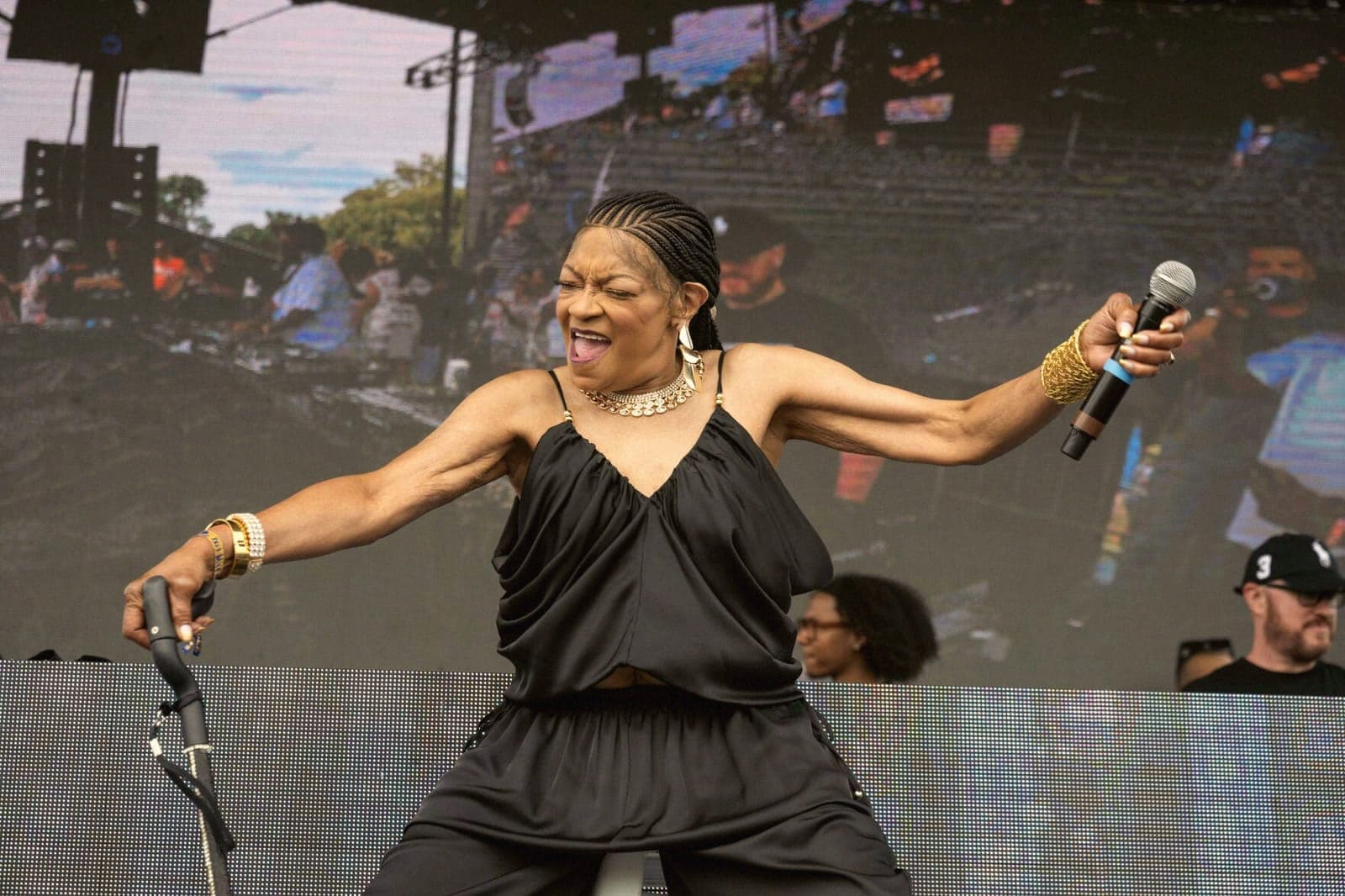
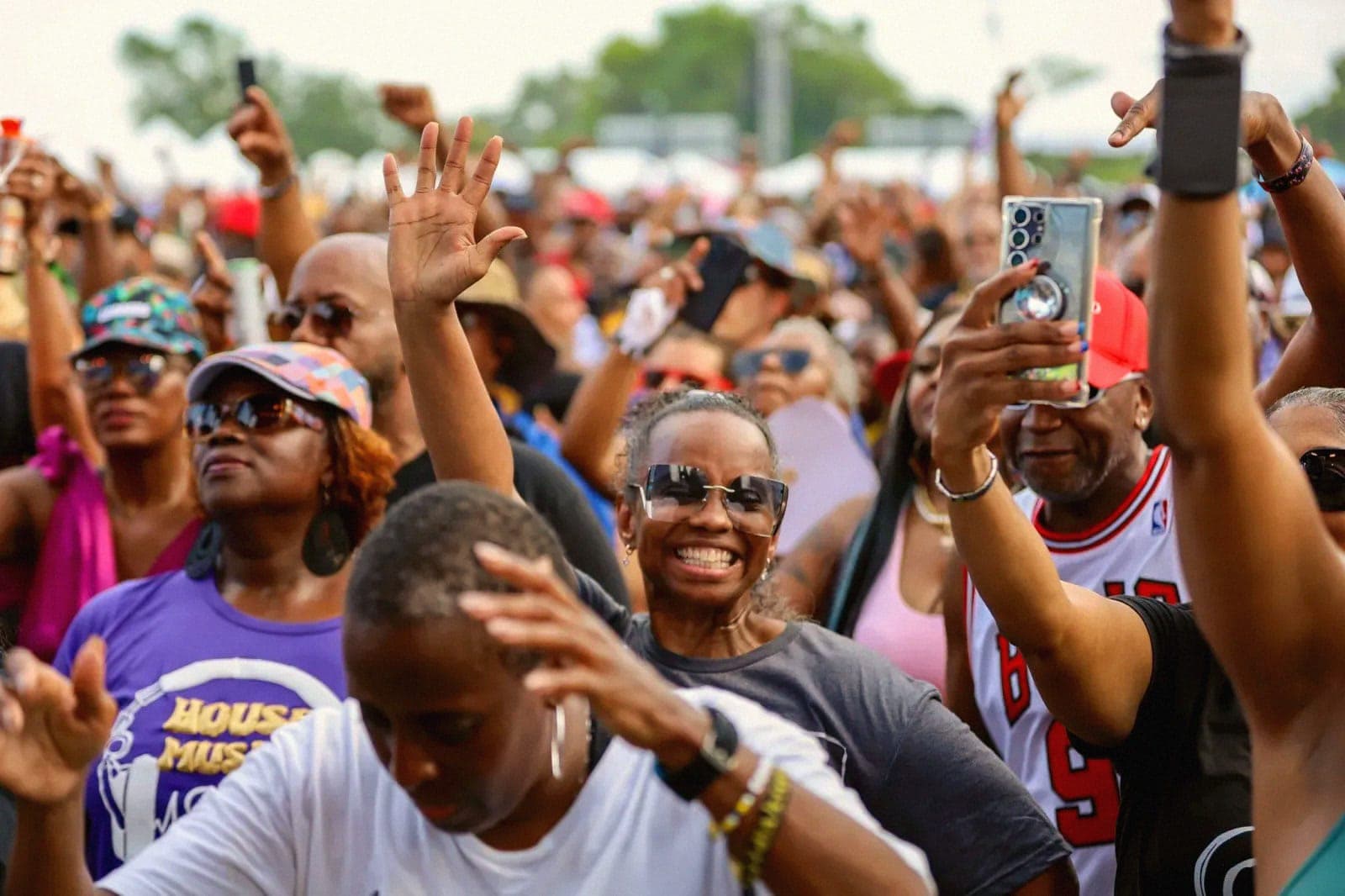
Chicago's house scene grew out of warehouse and loft parties in the early 1980s, and more than four decades later the city government is the one throwing the anniversary party, at no cost to anyone who shows up. The Chicago House Music Festival & Conference, produced by the city's Department of Cultural Affairs and Special Events (DCASE), returns August 27 to 30, 2026, with every set and every panel free and open to the public. DCASE Commissioner Kenya K. Merritt called house "one of Chicago's greatest cultural gifts to the world," and this year's bill backs that up with names who were in the room when the genre was still local: Roy Davis Jr, Chip E. and Maurice Joshua headline Saturday alongside Sundance, E-Smoove, Darryn Jones, DJ Heather, K'Alexi Shelby and Emmaculate, part of a bill of roughly 40 performers spread across four days. It's a pointed contrast with the genre's export version: elsewhere, house has become a VIP-tabled, four-figure festival business built on a sound this city used to hand out for the price of a bus fare downtown.
What's actually on across four stages?
Saturday's main event fills Millennium Park with four stages running at once, the Pritzker Pavilion Legacy Stage, the North Promenade, the Soulful House Stage and the Groove Garden. The rest of the footprint stretches to Daley Plaza, the Chicago Riverwalk and an evening set in Grant Park from Ron Troupe and Mark "Flava" Fuller. Programming opens Thursday at the Chicago Cultural Center with a kickoff party from Nosha Luv, Cratebug and Martin Boogieman Luna, and the dance side of the weekend runs the second annual Chicago House Dance Summit: footwork classes tied to Footwork Appreciation Month, all-ages house dance instruction, masterclasses with Caleaf, King Charles and Shan S, and a competition that builds to a final.
What's the conference actually talking about?
The panels are aimed squarely at working DJs and producers, not fans: sessions on independent artists, labels and visibility in a crowded market, distribution and the vinyl-culture resurgence, DJ advocacy and rider requests in venue relations, mentorship across generations, and a financial-security workshop bluntly titled "Jack Your Body, Don't Get Jacked." One panel, "AI in Music, Don't Get Played," tackles the opportunities and legal exposure AI now poses to producers, a topic that would have been science fiction the last time some of this bill's headliners were breaking records in Chicago clubs.