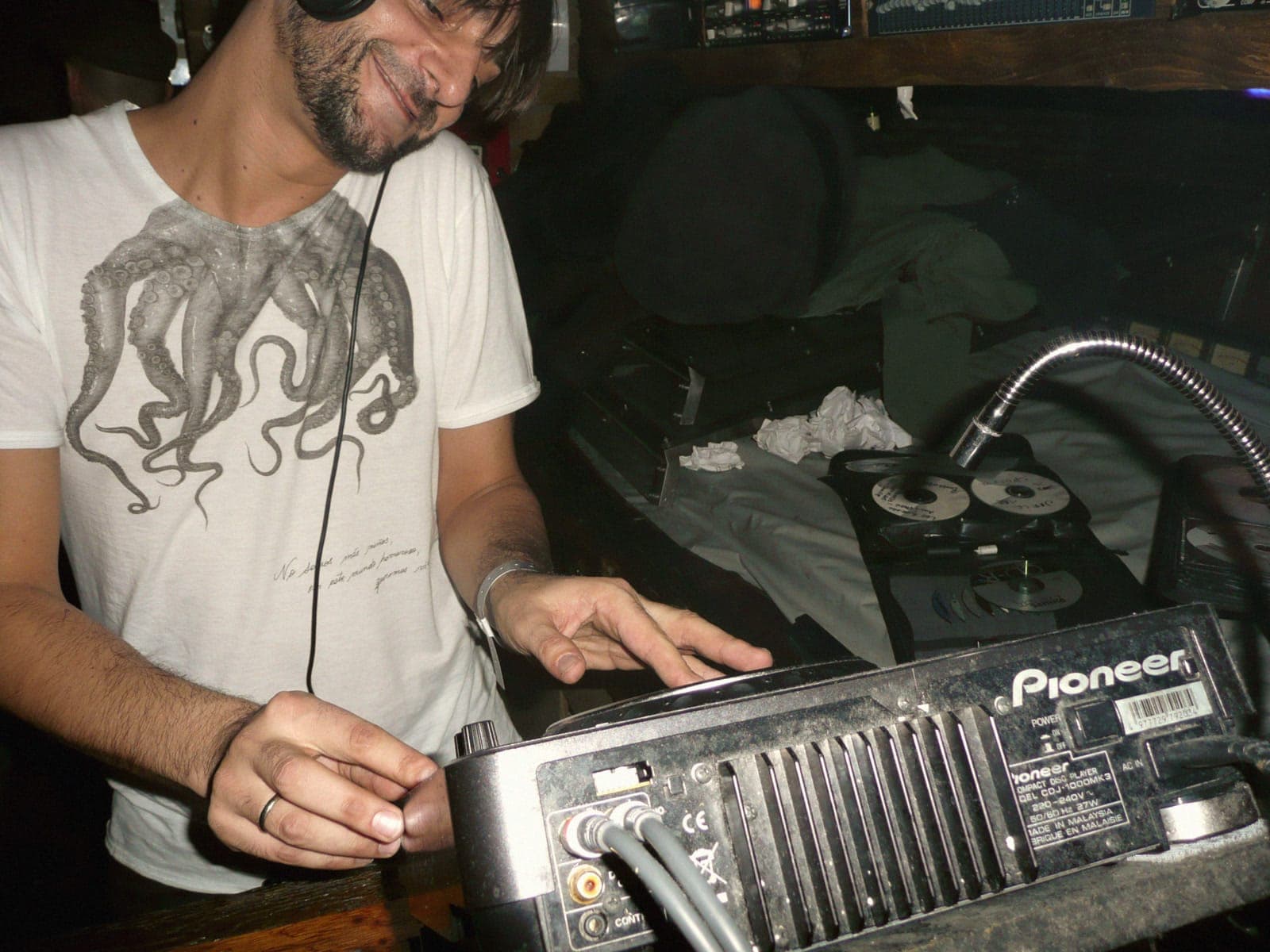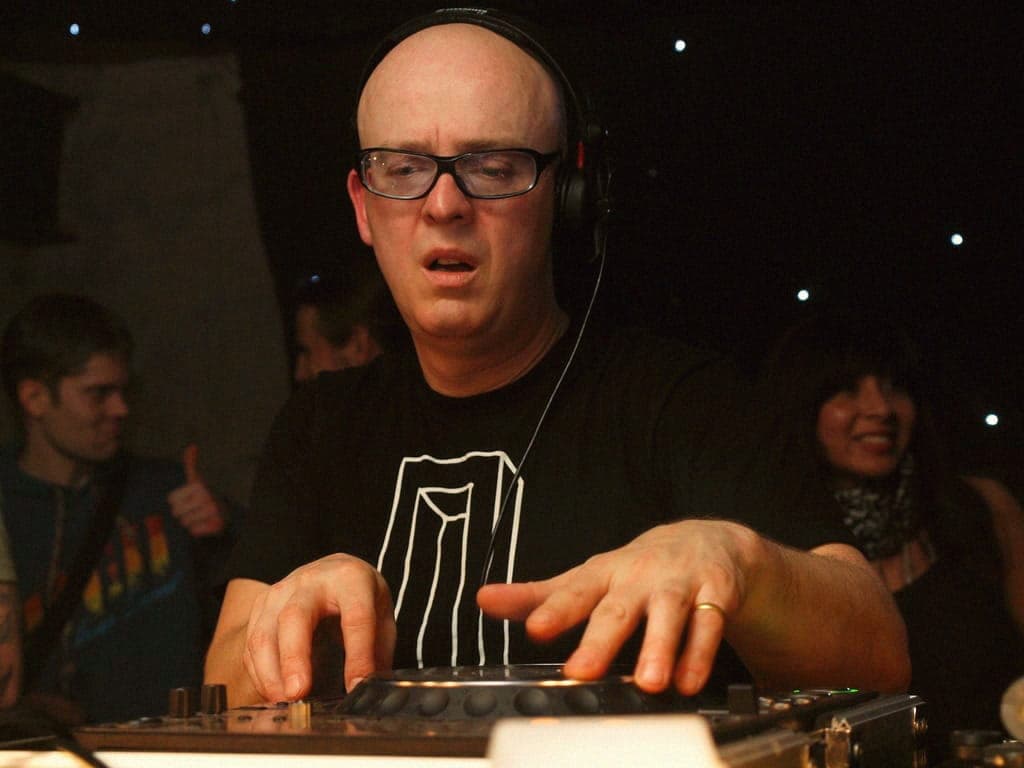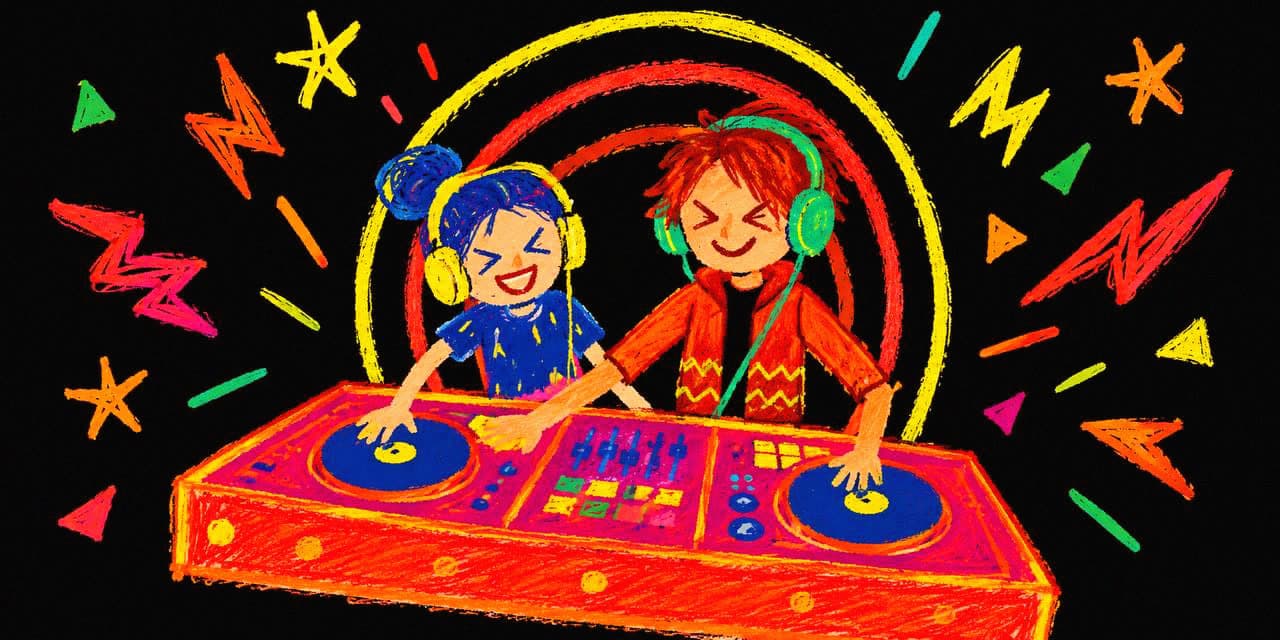
There was a time when a B2B felt special.
Two artists who genuinely respected each other's music would step into the booth together, take risks, challenge one another, and create something you probably wouldn't hear from either of them alone.
Now, sometimes it feels like every second name on a festival lineup has an "x" or "B2B" between it.
B2B. B3B. Four DJs crammed into one booth.
And somewhere along the way, what was supposed to be an interesting musical collaboration became a marketing strategy.
The logic is obvious: two DJs potentially bring two audiences. Three DJs bring three. More names on the flyer means more fan bases, more reposts, more reach and, hopefully, more ticket sales.
From a business perspective, it makes sense.
From a dancefloor perspective, not always.
Because a great DJ set is not simply a sequence of good tracks.
It is a journey.
A DJ reads the room, slowly establishes a language with the crowd, builds tension, releases it, changes direction, surprises you, gives you space, pulls you back in.
The best sets have an arc.
You might barely notice it happening while you're dancing, but three hours later you realize you've somehow travelled somewhere.
That becomes much harder when somebody else is constantly grabbing the steering wheel.
A good B2B should feel like a dance
There are incredible B2Bs.
Of course there are.
Sometimes two artists have genuine musical chemistry. They know each other deeply. They understand each other's taste, timing and instincts. They trust one another enough to let the other person take the set somewhere unexpected.
Those sets can become something completely new.
But a great B2B requires something that is surprisingly difficult for DJs, particularly successful ones: letting go.
Think about dancing with someone.
At certain moments, one person leads and the other follows. Then the roles might switch.
But if both people insist on leading at the same time, you're not dancing anymore. You're fighting over where the next step should go.
And that is what plenty of B2Bs sound like.
One DJ drops a huge track. The next DJ responds with an even bigger one. Then the first one feels the need to top that.
Instead of asking, "Where is this set going?", the question becomes, "What can I play next?"
And suddenly you are no longer listening to a story. You are listening to a playlist of excellent tracks.
It can still be fun. It can still make people scream. It can still generate ten videos for Instagram.
But musically, something is missing.
Two great DJs do not automatically make a great B2B
This is perhaps the biggest misunderstanding.
If DJ A is incredible and DJ B is incredible, surely DJ A B2B DJ B must be even better.
Except music doesn't work like mathematics.
Two great individual artists can have completely different approaches to building a set.
One might like long transitions and slow tension. The other might enjoy rapid switches.
One might gradually increase intensity over several hours. The other might be used to walking into a ninety-minute festival slot where every track has to make an immediate impact.
Neither approach is wrong.
But put them together without genuine musical compatibility and the result can become incoherent.
Rather than amplifying each other, they interrupt each other.
And we have increasingly started treating B2Bs as though compatibility barely matters.
Who has chemistry? Who actually listens to the other person? Who understands the direction the previous DJ is building? Who genuinely wants to create a shared musical story?
These questions should matter more than whether combining two names might sell additional tickets.
Flow matters
There is another reason solo sets, particularly longer ones, often feel different.
Flow.
Psychologists describe flow as a state of deep absorption where attention becomes highly focused, self-consciousness decreases and actions begin to feel almost effortless.
Musicians know this feeling intimately. So do dancers. And DJs absolutely do.
During a long set, something happens.
The DJ stops consciously thinking about every individual decision. They become immersed in the room. Track selection becomes instinctive. Transitions feel obvious. The crowd responds. The DJ responds back.
Eventually the distinction between performer and dancefloor almost disappears.
That state takes time to enter. And interruptions make it harder to sustain.
Imagine reaching that point, feeling exactly where you want to take the room next, and then stepping away from the decks while somebody else changes direction. Then you return two tracks later and have to mentally relocate yourself inside the set.
Some DJs thrive on this exchange. Many don't.
And when every twenty minutes becomes a handover, flow is constantly being interrupted.
The ninety-minute problem
B2Bs are not the only issue.
Set times themselves are shrinking.
Ninety-minute DJ sets have increasingly become standard across large festivals and events. Sometimes even an hour.
Again, the economics are understandable. Shorter sets mean more artists on the lineup. More artists mean more names on the poster. More names potentially mean more people buying tickets.
But there is a cost.
If you only have ninety minutes, patience becomes risky. You cannot spend an hour slowly building toward something. You have to arrive quickly. Perform quickly. Make your mark quickly.
The result is often a culture of peak-time DJing. Big track. Big reaction. Big track. Big reaction. And then the next DJ arrives.
What disappears is the slow burn. Those strange moments in the third or fourth hour when a DJ has earned enough trust from the room to play something unexpected. The record nobody recognizes. The sudden change in energy. The quieter section that makes the next peak feel enormous.
That is where some of the most memorable moments in dance music happen.
But they require time.
The lineup has become more important than the set
None of this means festivals should stop booking B2Bs.
Some collaborations are brilliant. Some artists clearly love playing together. Some pairs develop a musical relationship that becomes an art form of its own.
But the question should be: does this combination create better music? Not: how many audiences can we combine on the poster?
Because somewhere in modern electronic music culture, the lineup has started becoming the product.
We obsess over names. Announcements. Headliners. Surprise guests. Special B2Bs. Exclusive B3Bs.
But once the lights go down and everyone is actually standing on the dancefloor, the poster no longer matters.
The music does.
And sometimes two incredible DJs playing four hours separately would give us far more than those same DJs trading tracks for ninety minutes together.
Give DJs room to go somewhere
Electronic music was built around long sets. Around selectors spending hours understanding a room. Around DJs being trusted enough to take risks. Around dancefloors gradually becoming their own temporary worlds.
The obsession with squeezing more names into smaller time slots risks turning DJing into something closer to Spotify with very expensive sound systems: great track after great track, but without enough space for those tracks to become part of something larger.
A great DJ set should not simply show you good music. It should change how the next record feels because of everything that came before it.
That is storytelling. And storytelling requires time.
So yes, give us B2Bs when the artists actually belong together. Give us friends playing together because they love each other's records. Give us strange collaborations where two artists genuinely want to discover what happens when their styles meet. Give us DJs willing to lead, follow, listen and surrender control.
But also give DJs the booth to themselves. Give them three hours. Four hours. Six hours. Give them enough time to get lost.
Because when the DJ gets into flow, the dancefloor often follows.
Raving is supposed to be about music. And lately, parts of the industry seem to have forgotten that.
Maybe we don't need more DJs on the lineup. Maybe we need more time with the ones already there.