What was actually in Daft Punk's Alive 1997 rig?
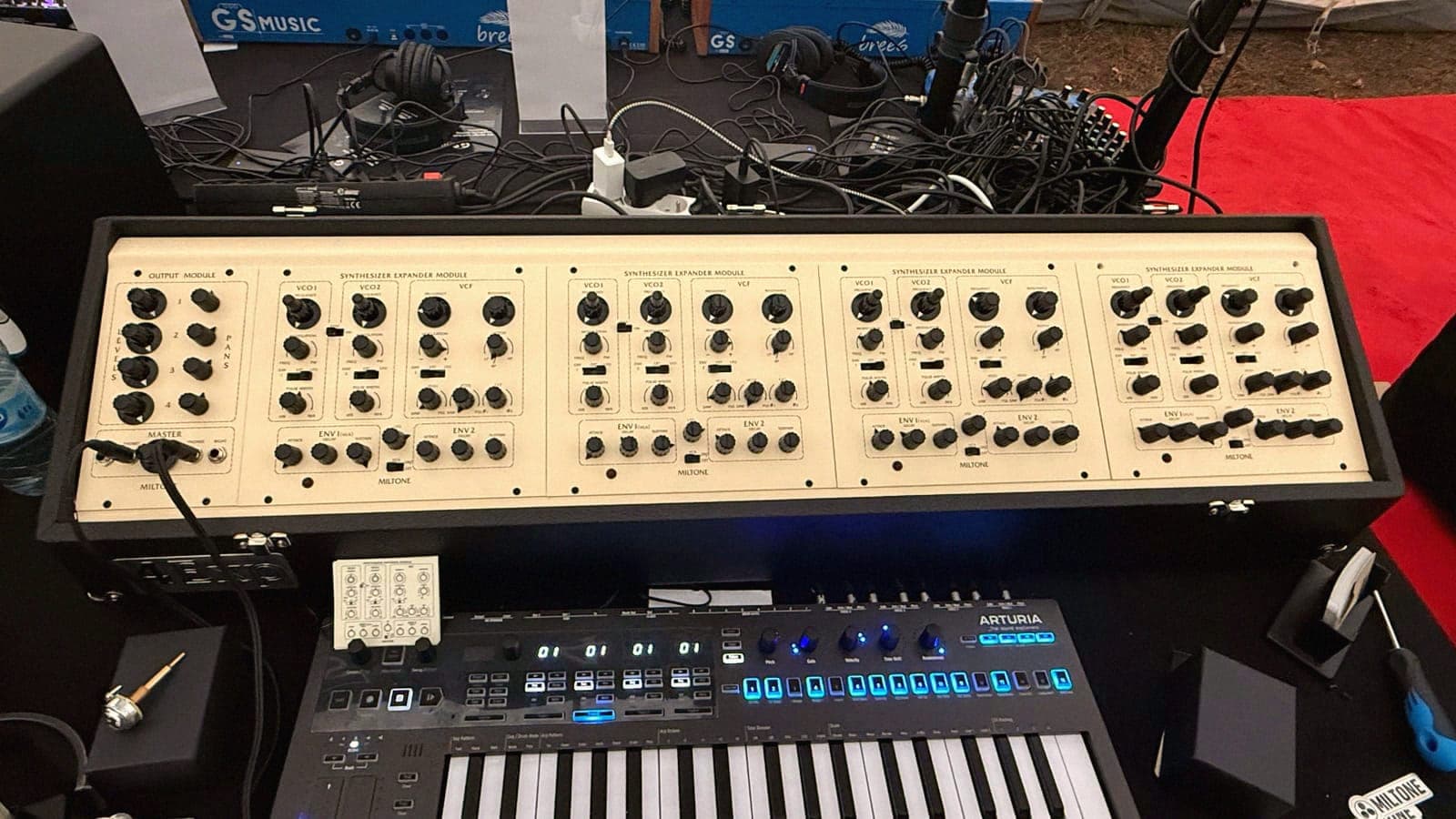
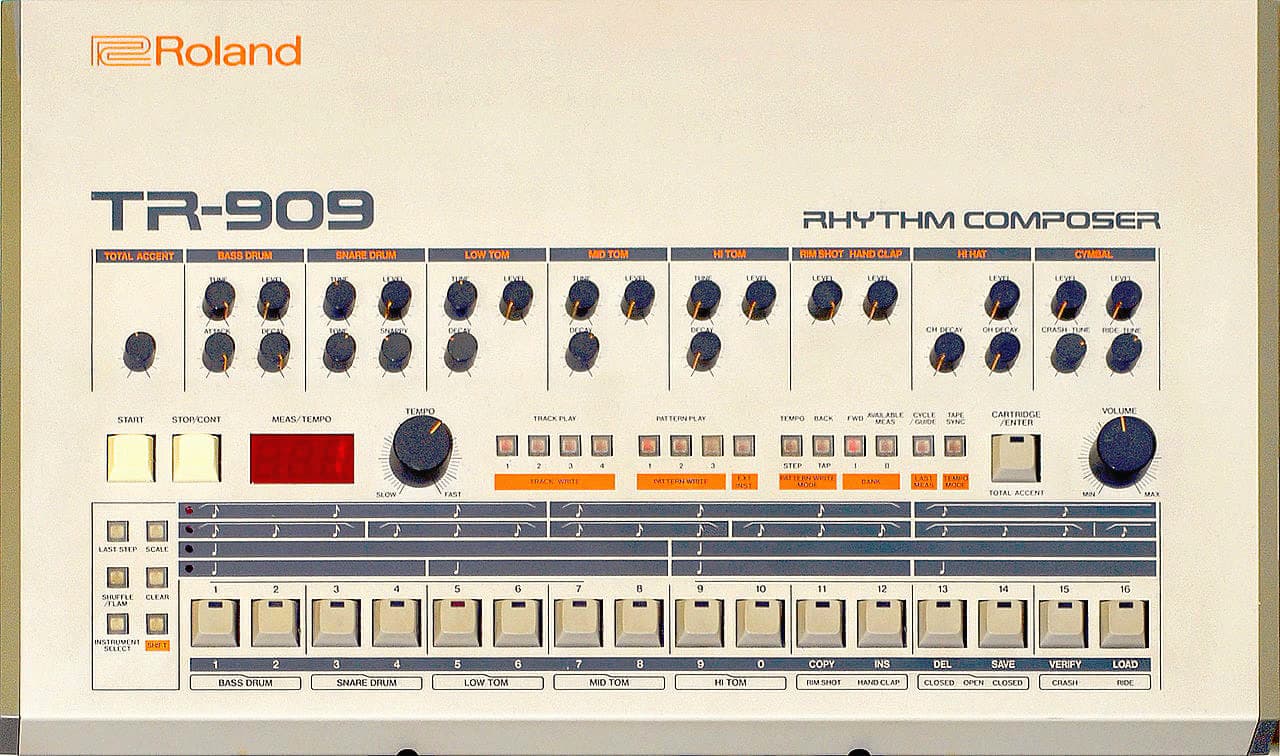
The setup behind Daft Punk's breakout live show reads like a museum of machines almost nobody wanted at the time. The spine was Roland: a TB-303 bass synth, the TR-707, TR-808 and TR-909 drum machines, an MC-202, a Juno-106 and the MKS-80 rack. On top sat a Sequential Prophet-VS for its glassy vector pads, a clutch of samplers (E-mu SP-1200, Ensoniq ASR-10, Akai S01, Roland S-760) and a rack of budget effects from Lexicon, Alesis and Behringer, all run through Mackie mixers. Thomas Bangalter and Guy-Manuel de Homem-Christo were not chasing boutique gear. They were chasing the cheapest boxes that made the right noise.
"We made the record at home, very cheaply, and very quickly and spontaneously." Thomas Bangalter on Homework.
So how cheap was it back in 1996?
Cheap enough that the album's title was half a joke about the budget. The machines that now define house and techno were, in the mid-90s, commercial flops the industry had already written off. The TB-303 shipped in 1981 at 395 dollars, sold badly as the failed bass-guitar substitute it was marketed as, and was discontinued by 1984. The TR-909 listed at 1,195 dollars in 1983 and met the same end, killed inside two years. By the time two kids in Paris went shopping, this was second-hand stock, the analog gear the digital boom had made deeply unfashionable. Bangalter has cheerfully pointed at the Alesis 3630, a 300-dollar compressor and "one of the cheapest ones on the market," as the main compressor on both Homework and Discovery.
And what would that rig cost today?
The opposite of cheap. Reverb's Guide To Gear, built on the marketplace's own sales data, found that some second-hand audio equipment has appreciated roughly 500 percent over seven years, outpacing the S&P 500 across the same window, with old Roland drum machines among the standout gainers. In practice a clean original TB-303 or TR-909 now changes hands for several thousand dollars each; a good Juno-106, once a sub-1,000-dollar workhorse, now clears well past that. Add the Prophet-VS, the MKS-80, the samplers and the rest, and the bargain-bin arsenal that powered Alive 1997, rebuilt today, runs deep into five figures. The machines did not change. The story we tell about them did.
Can you still get the sound without remortgaging?
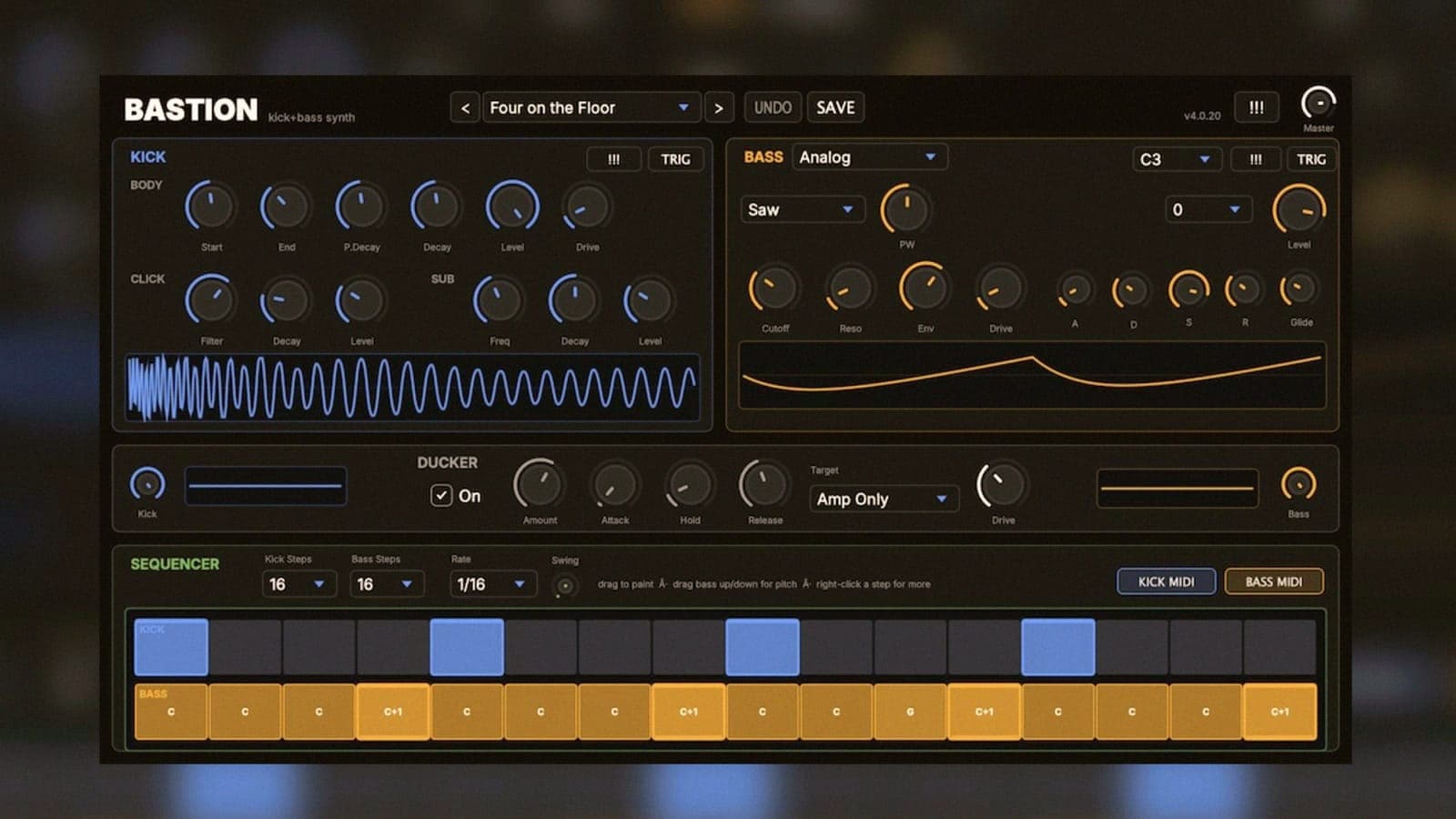
Yes, and that is the part worth holding on to. Roland's own Boutique reissues put a TB-03 and a TR-09 on the shelf for a few hundred dollars, and software emulations get closer every year. The Alive 1997 lesson was never the price tag. It was that two people with cheap, unloved machines and an unshakeable idea made one of the most influential live shows in dance music. The boxes were always just boxes.