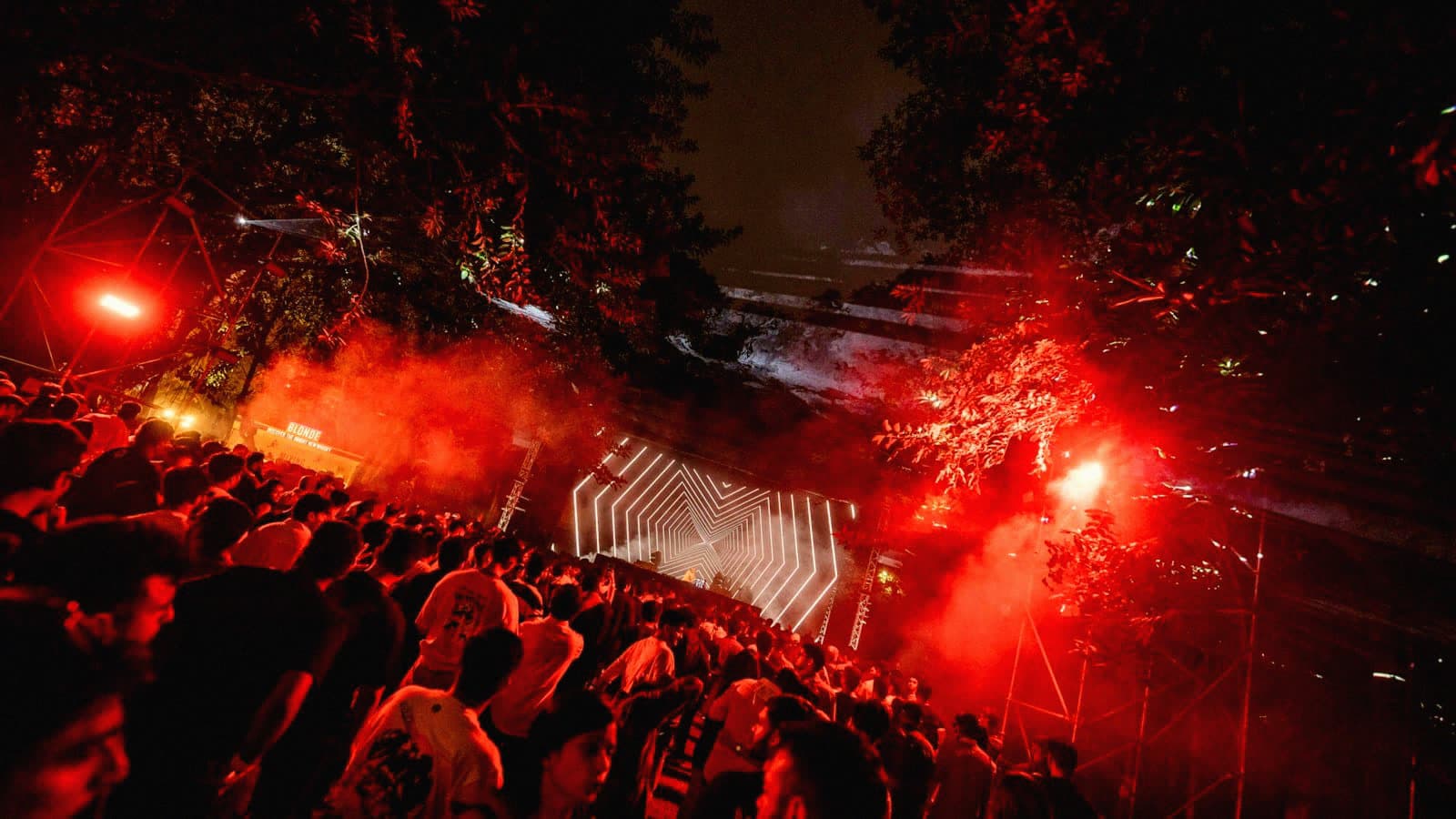
DGTL India was supposed to be in Mumbai this week. It is in Goa instead, and its own headliner isn't on the bill anymore. Two separate crises, three weeks apart, now define the run-up to the festival's sixth Indian edition, and together they say more about operating a festival brand in India right now than either story would alone.
Why did DGTL actually leave Mumbai?
Organizer Forward India announced on October 16 that the Mumbai leg was moving to W Goa, pushing the dates from November 13-14 to November 14-15, and framed it plainly: "ongoing licensing uncertainties affecting live events across Mumbai and Maharashtra." That uncertainty has a traceable source. Protests by the Cockroach Janta Party demanding the resignation of India's chief election commissioner prompted state authorities to tighten restrictions on live concerts across Mumbai and Maharashtra, and DGTL wasn't the only casualty. Promoter Skillbox had to relocate a Mumbai Opeth show twice over "the ongoing situation and restrictions" and was denied a liquor permit outright, which matters more than it sounds: in India, the liquor licence is usually what makes a festival weekend commercially viable, not an afterthought. When a state starts withholding those on a rolling basis, international promoters stop being able to plan a season, let alone a tour.
Ticket holders who kept their passes for the new Goa dates got a complimentary plus-one; anyone who wanted a refund had a 48-hour window that closed on October 16 at 11:59pm. DGTL's Bengaluru leg carries on as scheduled, untouched by any of this, which tells you the Mumbai disruption is a city-and-state problem, not a brand-wide one.
What actually happened with Stephan Bodzin?
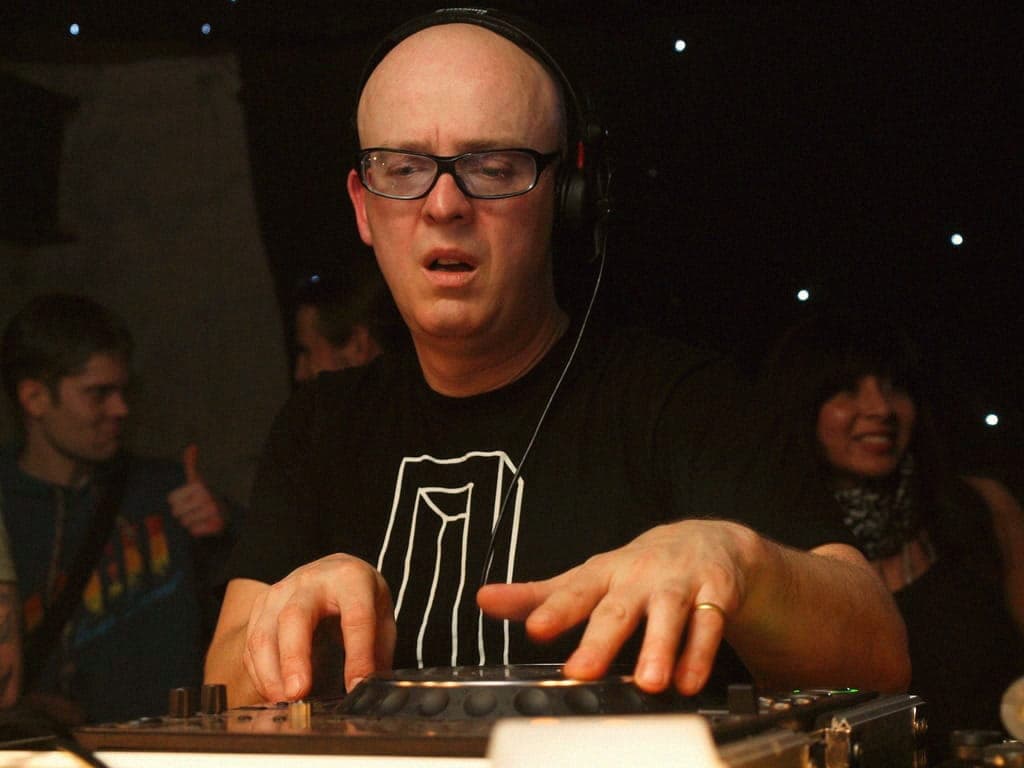
The lineup DGTL salvaged for Goa, Nina Kraviz, Nox Vahn, Colyn, Phil Berg, Biianco, Qrion and a strong slate of Indian names including BLOT!, Sitara and Sublime Sound, no longer includes Stephan Bodzin. He was pulled after BLOT!, the Delhi artist whose real name is Gaurav Malaker, alleged that at a December 24, 2025 show in Kolkata where both played, Bodzin's set ran roughly 40 minutes over schedule. When BLOT! or the organizers pushed Bodzin's camp to wrap up and hand the stage over, BLOT! says one of Bodzin's managers physically threatened him.
DGTL's statement on the drop didn't hedge: "This decision reflects the values we stand for as DGTL and the responsibility we feel towards our community. Creating an environment where everyone is treated with respect remains fundamental." BLOT! responded by praising the festival for setting "a global example" by caring "about the Indian interests and the Indian people."
"Creating an environment where everyone is treated with respect remains fundamental."
Why does this matter beyond one weekend?
Both stories are really the same test, applied from different directions. The Mumbai relocation is a festival brand discovering it has no real leverage against a state government's shifting licensing mood, no matter how established the event is. The Bodzin drop is the same brand discovering it does have leverage over a touring headliner when a local artist's treatment is on the line, and choosing to use it publicly rather than quietly. That second part is the part worth watching: touring international DJs have operated for years on the assumption that local support acts and local promoters absorb the friction. DGTL just made dropping a headliner, not a support slot, the visible consequence of a complaint from an Indian artist. Whether that holds as a precedent or reads as a one-off depends entirely on whether festivals keep doing it when the headliner is bigger and the ticket sales are riskier.