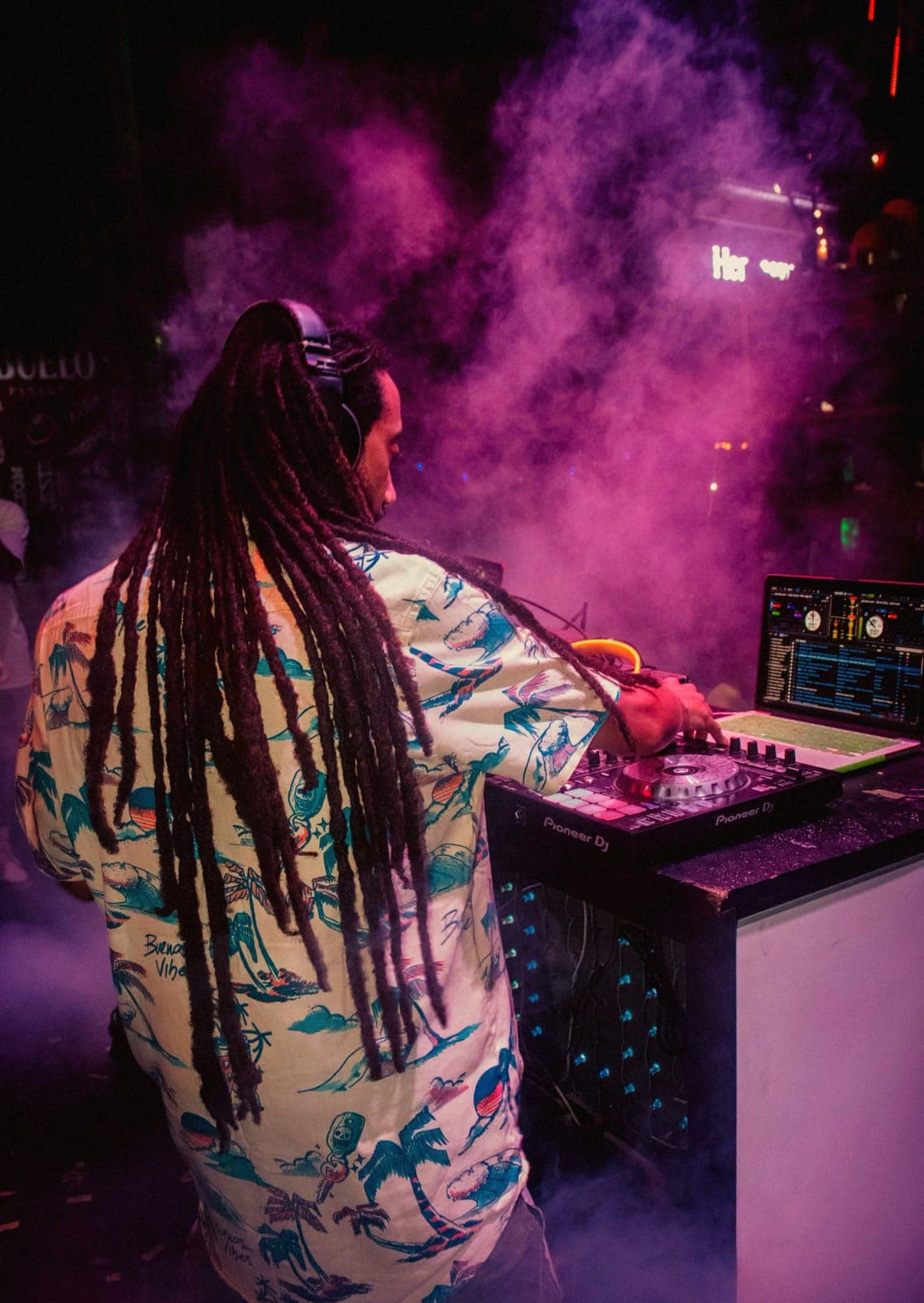
DJs are supposed to be the one person in the club who isn't a target. They're behind the decks, lit up, watched by hundreds of phones. That's exactly what makes what happened to Mao Hamasaki in Hong Kong this past Halloween weekend so unsettling: being on stage didn't protect her at all.
According to Hong Kong Free Press, Hamasaki was playing her second set of the night at a nightclub in Tsim Sha Tsui in the early hours of November 1 when she drank what she describes as two shots of an orange-juice-flavoured cocktail. She noticed cloudy sediment at the bottom of the glass and wrote it off as pulp. Within 40 to 60 minutes her body started stiffening, her memory started slipping, and she had a seizure. She was rushed to Queen Elizabeth Hospital, where tests turned up four different substances in her system. She spent time in intensive care before being discharged.
How does a venue let this happen to its own performer?
A working DJ has every reason to think her bar area is the safest spot in the room: she knows the staff, she's visible, she's not the one a bar-top predator is scanning the room for. That assumption is the whole problem. Spiking doesn't require isolating a target in a dark corner, it just requires an unattended glass and a few seconds. Hamasaki told Hong Kong Free Press she assumed the cloudiness in her shots was pulp, which is precisely the kind of plausible, dismissible detail spiking relies on.
Her manager put it bluntly on Facebook: "Someone was drugged at work." That's the frame clubs need to sit with. Venue drink security (sealed pours, staff watching the service well, bar staff trained to flag a hovering hand near someone else's glass) usually gets justified as protection for punters. This case shows the DJ booth's bar tab needs exactly the same scrutiny.
"I did notice something cloudy settled at the bottom of the shot glasses, but I assumed it was just orange juice pulp."
What happens to the suspect now?
Hong Kong police arrested a 61-year-old man from Central on November 2, a day after the incident, on suspicion of administering poison with intent to injure. He remains in custody and the case is active. Hamasaki has said she intends to give a full statement to police once discharged, and that she wants the case used to push public awareness of drink spiking, not just sympathy for her specifically.
Why it matters for the scene beyond this one club
Drink spiking cases against clubbers have been reported for years and venues have slowly, unevenly, tightened up: covered cups, bar staff watching for loitering near drinks, campaigns at festivals. A performer being targeted mid-gig is a different kind of signal. It says the threat isn't confined to the dancefloor crowd a venue is used to policing, it's inside the operation itself, at the bar a DJ trusts enough not to think twice about.