What actually happens when you turn one knob?
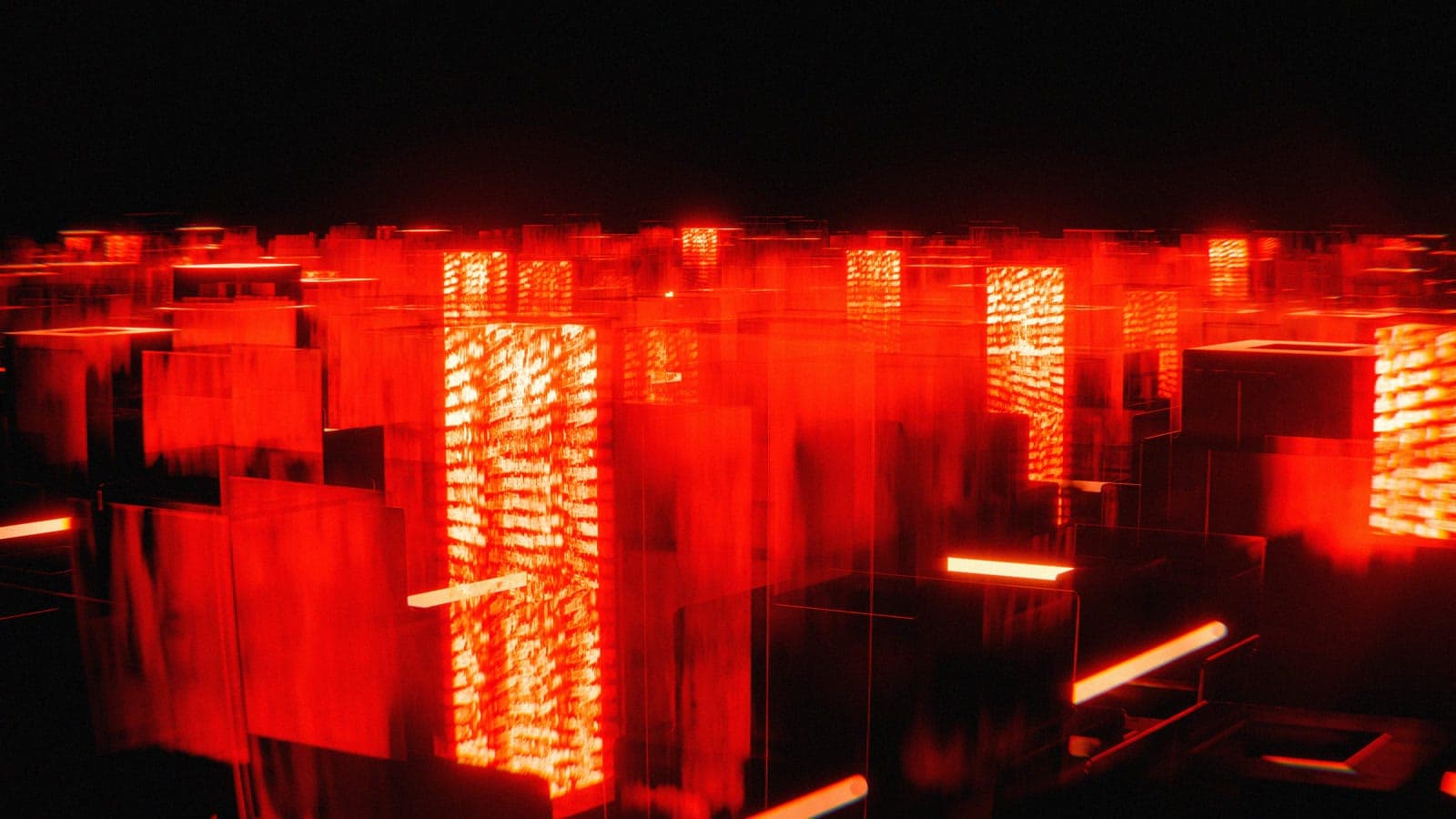
drft runs six controls, bend, burn, drift, dropout, wash and noise, across audio and video at the same time. Burn saturates the sound like a scorched tape head and blooms the picture with heat. Drift adds wow-and-flutter pitch wobble to the audio while the picture wanders and smears a ghost trail behind itself. Bend bit-crushes the sound and warps the CRT tube. Wash softens the mix into haze and widens the stereo field while the picture fades to mush. Noise buries the audio in hiss and the screen in snow. Dropout makes the coupling most literal: SampleRoll describes it as "wired straight across the machine," so the instant a dropout punches a hole in the audio, the picture tears in the same frame.
That is the actual pitch, not a VHS filter slapped on top of a finished track, but one signal path where sound and image are the same instrument, reacting to the same six knobs at once.
Why does the feedback loop matter for a live AV rig?
Audio driving the video is the easy half. The more interesting one is FEED mode, which runs the coupling backward: it reads the picture's brightness and motion and pushes that data into the audio processing, so a busy, bright frame can push the sound as hard as turning a knob would. Paired with 20 built-in FIELD generators, drft can produce its own visuals (plasma, tunnels, kaleidoscopes, moire, aurora) with zero external footage, or take a live feed off a webcam, a capture card, or an iPhone over Continuity Camera on a Mac.
For anyone running visuals in a club or warehouse set, that collapses a job that normally needs two people and two rigs, a DJ and a dedicated VJ on separate hardware, into one plugin sitting in a regular effects chain. A set recorded inside drft exports as a synced 1080p MP4 at 30 or 60fps in 16:9, vertical 9:16 or 2.75:1 ultrawide, ready to throw on a wall or cut into a clip.
Is fusing glitch audio and glitch video actually new?
Not the aesthetic. Circuit-bent CRTs and dying tape decks have been a video-art and glitch-music staple since Nam June Paik, and dedicated hardware video synths, LZX Industries' modular gear among them, have done audio-reactive visuals for years. What's genuinely uncommon is running the coupling both ways inside a $19 plugin that sits in a normal DAW effects chain, instead of a rack of modular hardware or a standalone VJ application. SampleRoll priced drft at $19 for launch, down from a $39 list, as VST3 and AU on macOS and VST3 on Windows, with a standalone app on both platforms.
"Sound and picture ride the same knobs. Turn one and you hear it and see it move together."