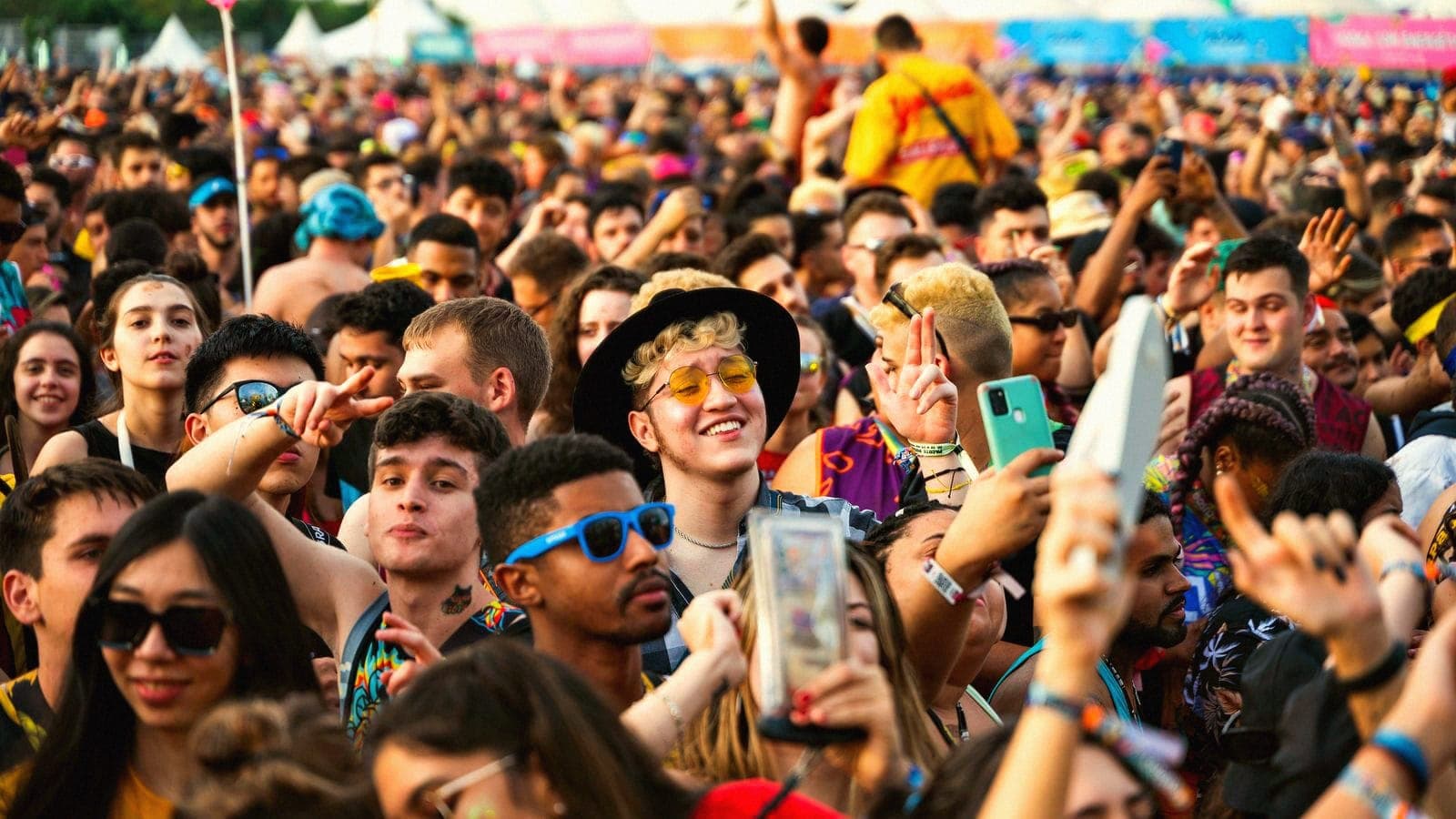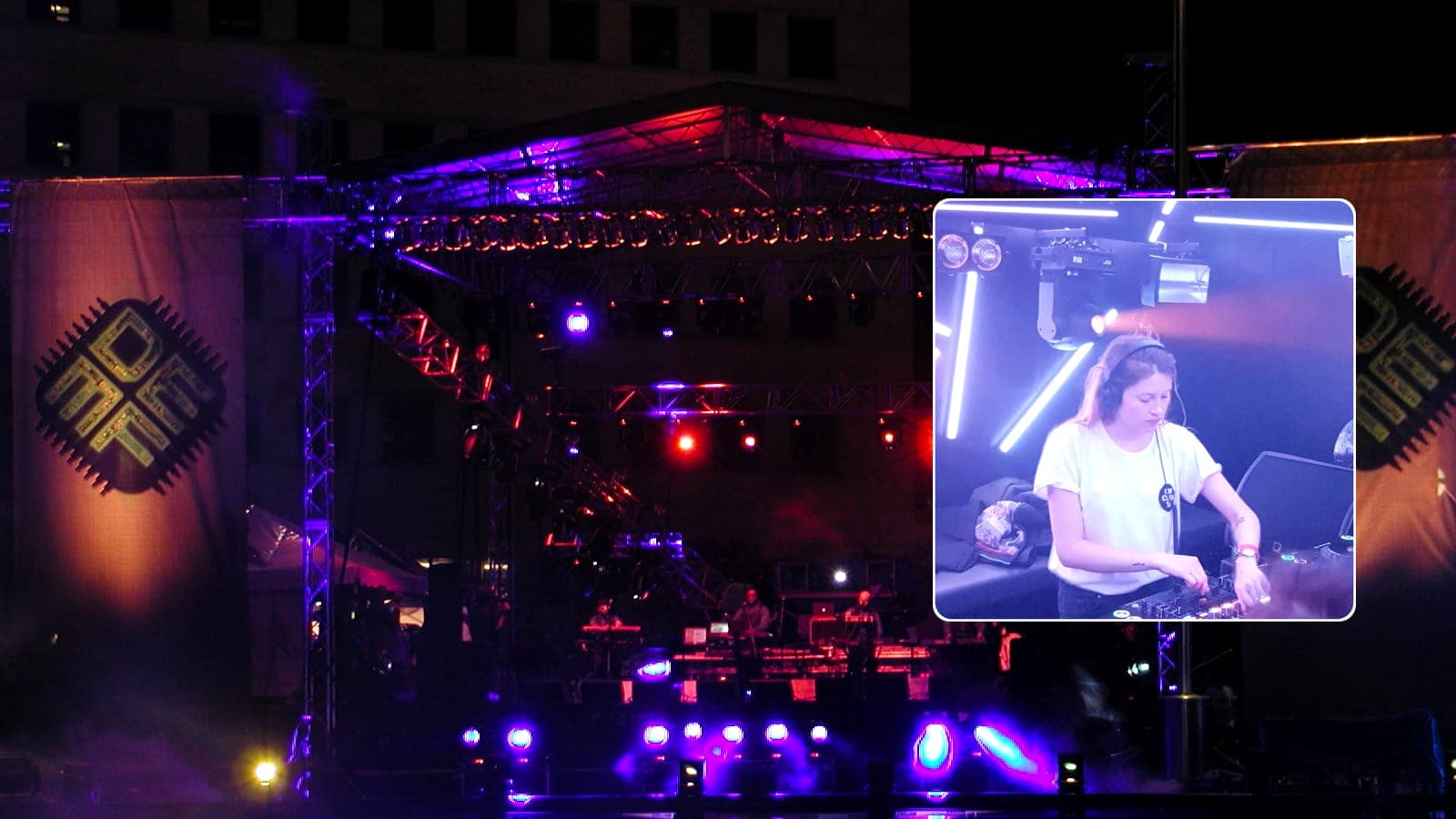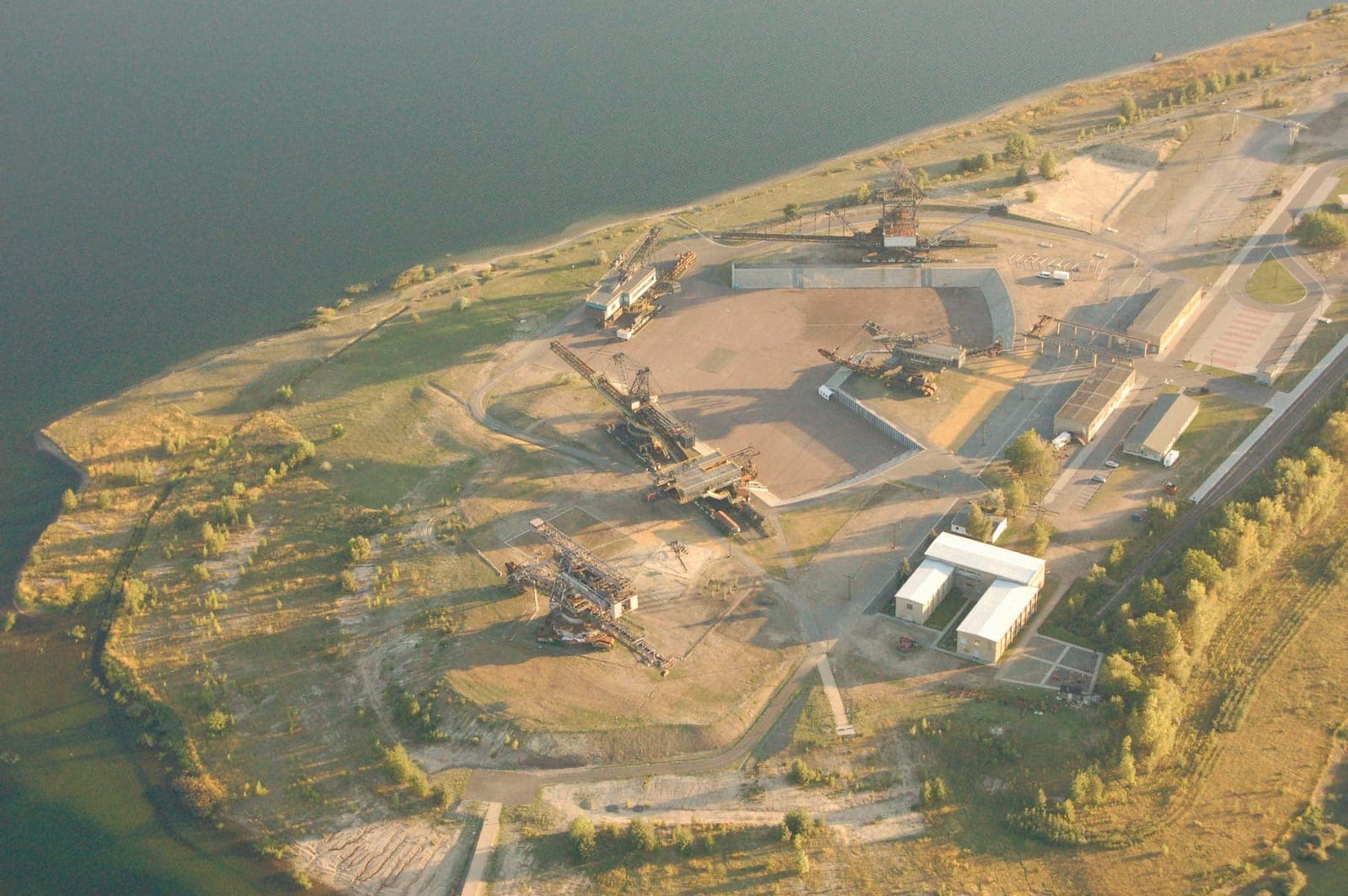
Kieran Hebden didn't need a gimmick to justify his slot at Four Tet's scale. But the stage he played at Boomtown Fair this August was the actual story: HYDRO XL, a 20,000-capacity main stage that ran the entire weekend without a single diesel generator on site.
His 90-minute set, taped live on August 15 at Matterley Estate in Hampshire, went out globally as BBC Radio 1's Essential Mix on September 12, stitching together his own productions with tracks from Galcher Lustwerk, Joy Orbison, Sammy Virji and PinkPantheress. The video version is up too.
What's actually powering HYDRO XL?
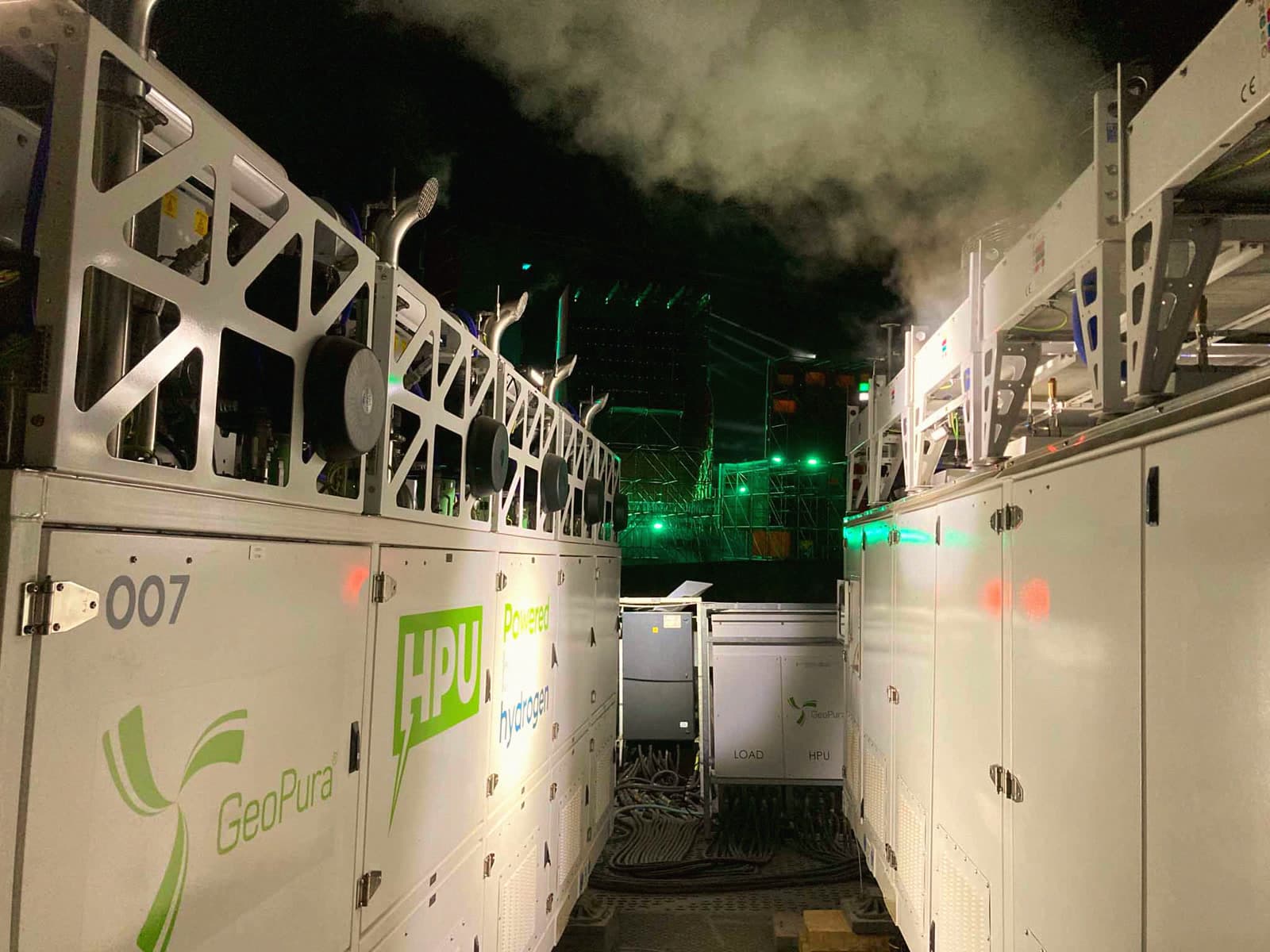
GeoPura's HPU2 unit stores green hydrogen and feeds it through Ballard fuel cells, generating electricity on site with nothing but water vapor left over. Boomtown co-founder Luke Mitchell put it bluntly: "Where you would normally hear diesel generators, there was just silence, with nothing but water vapour as the by-product," adding the run-off was "so pure you could drink it." No noise, no fumes, no fuel trucks idling behind the stage all weekend.
Why scale it up now?
Boomtown piloted a smaller HYDRO stage at 8,000 capacity in 2025. For 2026 it tripled down: HYDRO XL took over the former Origin Stage footprint in the festival's Downtown area and jumped to 20,000, becoming one of the biggest bills of the weekend alongside Skrillex, Floating Points, Groove Armada, DJ EZ and Sherelle. That's not a side-stage experiment anymore, it's the room where the festival puts its flagship names.
Is this actually scalable, or a flagship stunt?
Here's the catch Mitchell doesn't dodge: "It's a significant investment to pull this off and a real journey this year to prove it works on this scale." Hydrogen fuel cells at 20,000-capacity output are still expensive kit, and Boomtown had GeoPura as a technology partner underwriting the engineering. Most festivals booking a Four Tet or a Skrillex don't have that relationship on tap. Mitchell's own framing, that it's "crucial that others with resources in our industry invest in this new green technology," reads less like mission accomplished and more like a pitch to the rest of the circuit: someone had to go first and prove the physics work at scale before the economics make sense for everyone else. Diesel gensets are still the default at every field, warehouse and car park rave running a rig this size. HYDRO XL is the proof of concept, not yet the industry standard.
"Where you would normally hear diesel generators, there was just silence, with nothing but water vapour as the by-product."
Why it matters
Festival production is one of dance music's biggest unspoken carbon lines, and generator diesel is the bulk of it. A 20,000-capacity main stage running clean, with BBC-level artists willing to headline it, gives promoters and production companies elsewhere a working reference point instead of a lab demo.
What we think
Credit where it's due: this is real engineering at real festival scale, not a press-release solar panel bolted to a merch tent. But "one flagship stage at one festival with a hydrogen supplier as a partner" and "the industry standard" are two very different sentences, and Mitchell's own quotes admit the gap. Watch whether a second UK festival announces its own HYDRO-style stage next season. That's the real tell.
FAQ
Is HYDRO XL the world's first hydrogen-powered festival stage?
It's the first at this scale. Boomtown ran a smaller, 8,000-capacity HYDRO stage on the same GeoPura system in 2025; HYDRO XL is that same hydrogen fuel cell technology scaled up 150% to 20,000 capacity for 2026.
What exactly replaces the diesel generators?
GeoPura's HPU2 power unit, which stores green hydrogen and runs it through Ballard fuel cells to generate electricity on site, with water vapor as the only by-product.
What did Four Tet actually play in the Essential Mix?
A 90-minute set mixing his own productions with tracks from Galcher Lustwerk, Joy Orbison, Sammy Virji and PinkPantheress, recorded live at HYDRO XL on August 15, 2026 and broadcast on September 12.