What actually changed?
Francisco Partners has sold out of Muse Group, the Cyprus-based company that owns Audacity, MuseScore, Ultimate Guitar, StaffPad and the sheet-music publisher Hal Leonard. The terms were not disclosed. The detail that matters: nobody bought the stake. Muse Group financed the exit with senior credit facilities from JP Morgan plus cash on hand, so the debt now sits with the bank and founder Eugeny Naidenov holds onto majority control alongside executive chairman Mo Chahdi.
That is the opposite of the usual private-equity exit, where one fund hands the keys to the next. Here the founder bought his way back to independence, on borrowed money.
Why should a house producer care?
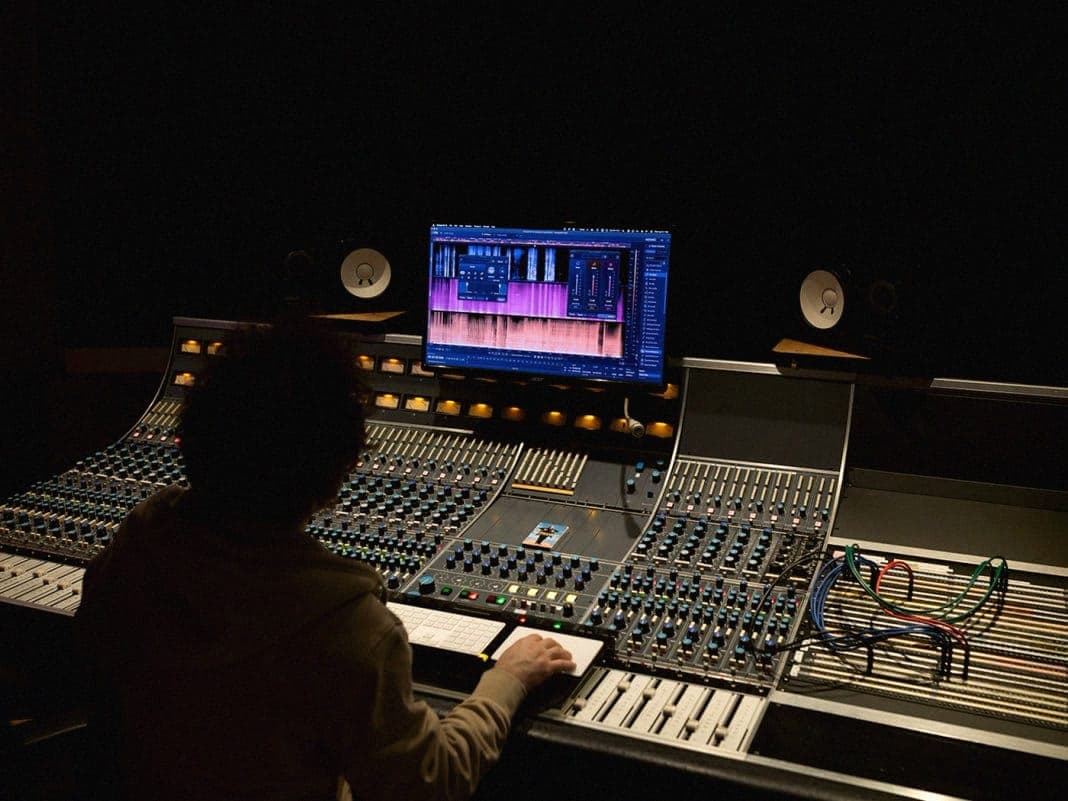
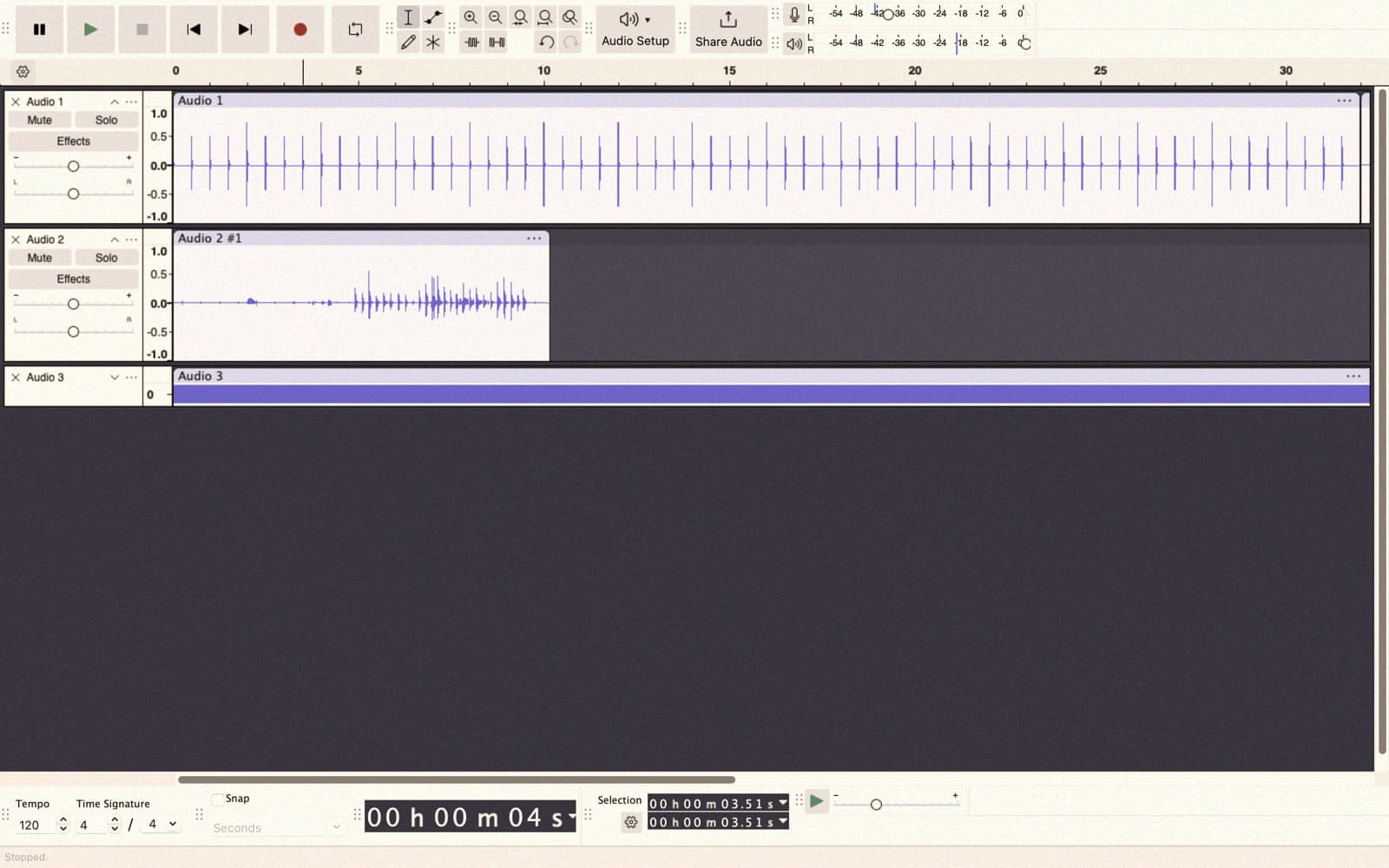
Because these are the tools a whole generation learns on. Audacity is the free editor countless bedroom producers cut their first loops in; MuseScore and Ultimate Guitar are where people work out parts. Who owns them decides whether they stay free, how they treat your data, and how open the code stays.
And Francisco Partners is not a stranger to this scene. Before Muse Group it owned Native Instruments, the company behind Maschine, Komplete and Traktor. So the same firm has sat behind both a flagship software conglomerate and one of the biggest names in producer gear. Private-equity ownership of the software you open every day is not an exception anymore. It is the structure.
What is next for Muse Group?
A founder back in charge, a balance sheet loaded with bank debt, and open talk of more acquisitions. The plan reads like a creator-tools conglomerate in the making. The open question is the one users have asked since Muse bought Audacity in 2021 and floated telemetry that triggered a backlash and forks like Tenacity: does Audacity stay free, open, and quiet about what it collects?