What did the study actually measure?
Noches de Ibiza, the association representing the island's bars, restaurants and nightlife businesses (AEON), paid for fieldwork in Ibiza's port and in Sant Antoni across July and August 2026. Researchers logged on-site observations on July 23, 25 and 29, then kept watching through August, timing when crowds left the port, interviewing bar and restaurant owners, and tracking nightclub ticket prices, drink prices, opening policies and online sales systems.
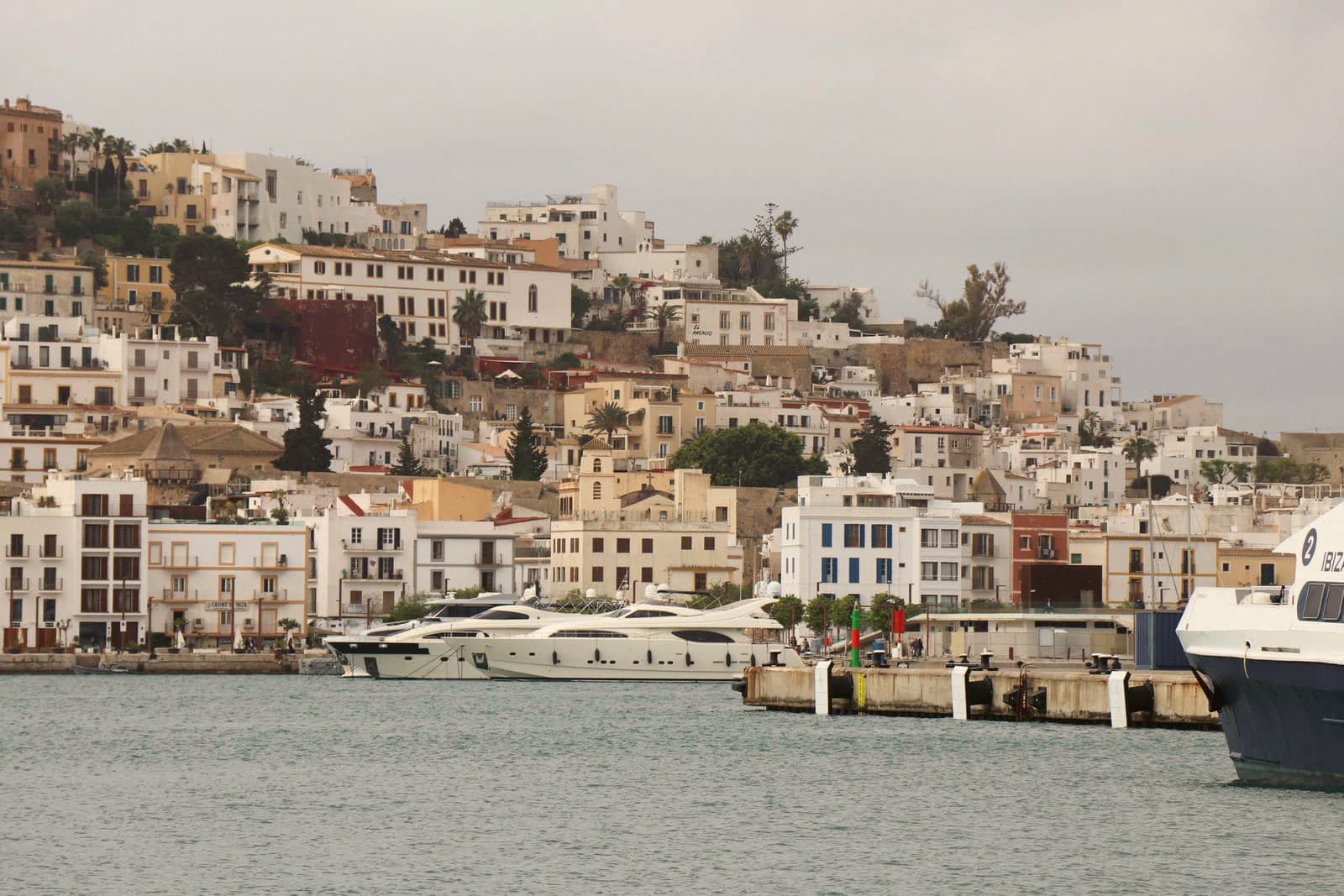
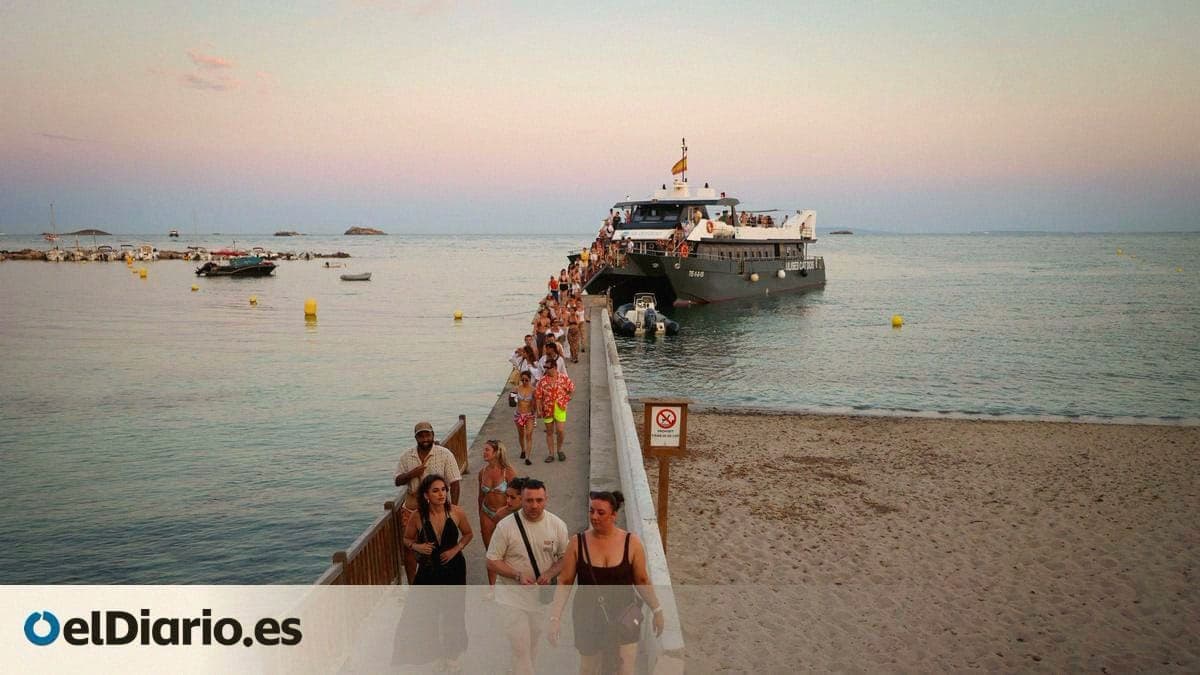
The headline pattern: most tourists clear out of the port area between 11:30pm and 12:30am, right as queues start forming outside the big clubs. That is not random. The report ties it directly to prepaid entry tickets, time-limited discounts, drinks packages sold in advance, and free shuttle buses that run straight from hotels to the clubs, all of which quietly set the clock on a tourist's night before they have even picked a bar.
How are clubs keeping that money in-house?
The mechanics described in the study are less about one trick than about several, stacked. Hotels sell club tickets, drinks and transport at the moment of booking, on top of all-inclusive packages, in-house parties and loyalty schemes, structures built to keep spending inside the hotel's own walls before a guest even lands on the island.
Clubs do their own version with entry pricing. Early-arrival tickets and drinks packages sold online are priced to rise, not fall, as the night goes on, and some free guest lists close at a fixed hour. The incentive is obvious: get there early, skip the pre-game at an independent bar, and the club has already banked the spend that used to go to a terrace table down by the water.
"The only ones losing out are the owners of bars and restaurants in Ibiza and Sant Antoni, who are seeing their customers disappear."
That is AEON's own framing of the study's bottom line, and it matches what the report calls "a downward trend in the profits and financial viability of small businesses," which it links to "the growing sophistication of the marketing models used by large hotel and club monopolies."
Who's actually losing, and what is AEON asking for?
The clearest number in the study isn't a euro figure, it's a sense of trend. In Sant Antoni, ticket resellers interviewed for the report describe a steady drop in sales over the past three years and call 2026 the worst yet, pointing to higher club prices and to clubs increasingly selling tickets straight through their own sites rather than through independent sellers on the street.
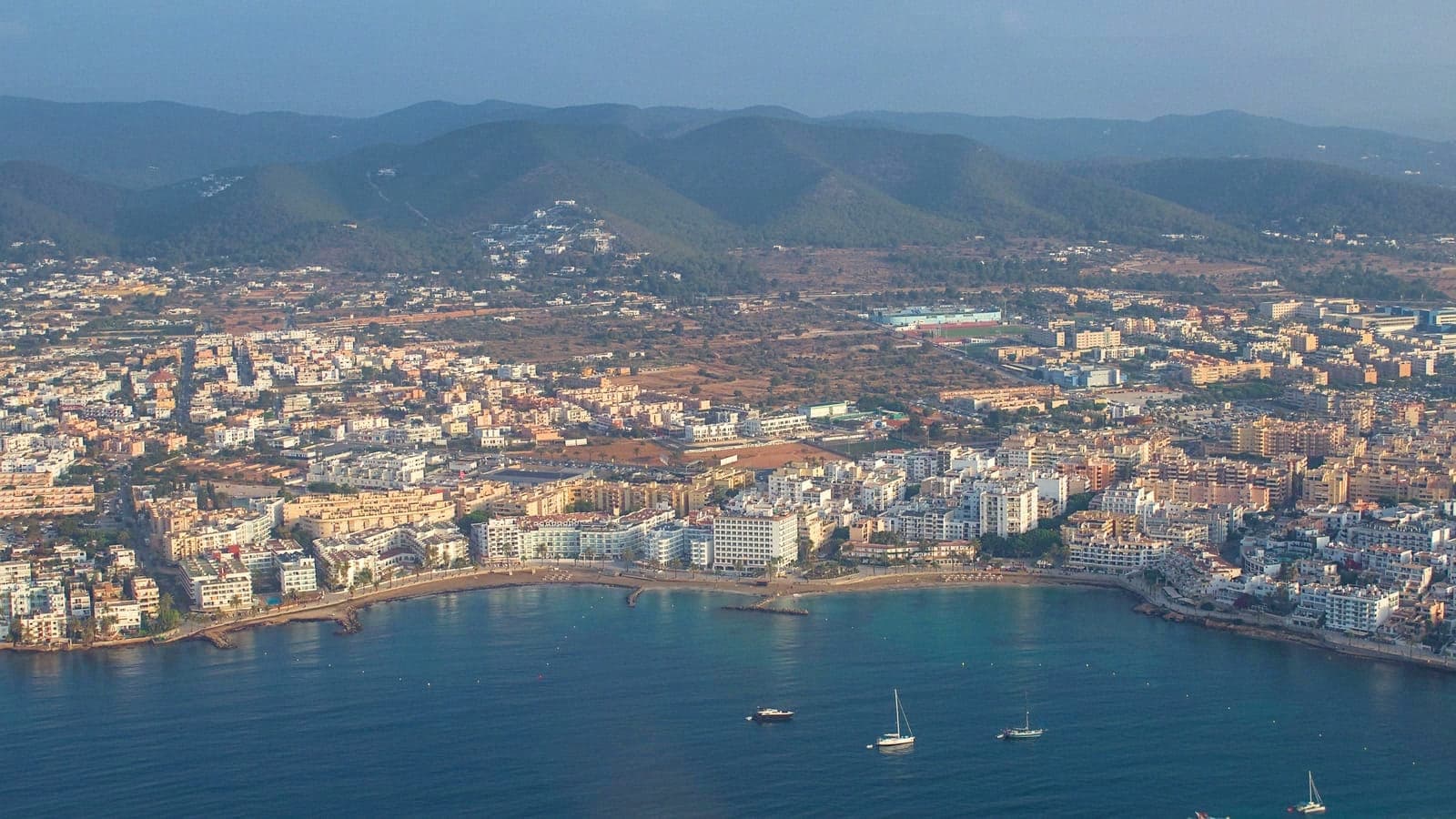
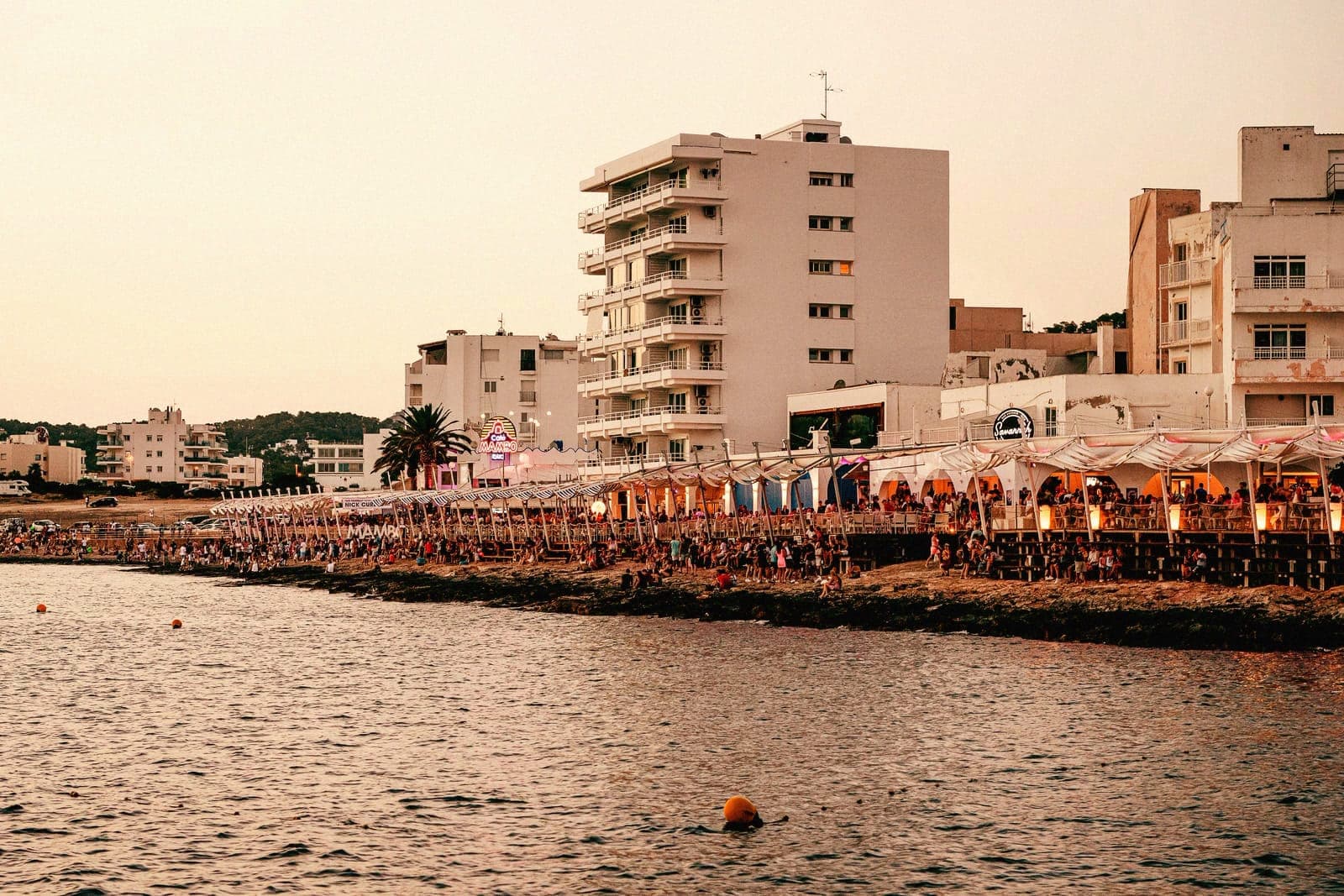
AEON is using the findings to push for a rewrite of the Balearic Tourism Law, tighter regulation of nightclub opening hours, and a hard capacity cap of 3,000 people per venue, arguing the current setup amounts to "unfair competition" against the port, the West End and Sant Antoni Bay's bars and restaurants.
One thing worth being clear-eyed about: this isn't a government or university study. AEON commissioned and funded it itself, meaning the numbers and conclusions come from the side making the complaint, not a neutral referee. That doesn't make the underlying observations false, tourists really are leaving the port earlier, and club pricing really is structured to capture spend before people reach a bar, but the policy prescriptions (the 3,000-cap, the law change) are AEON's own ask, not an independent regulator's finding.