Why would a conglomerate open up Moog and Akai's firmware?
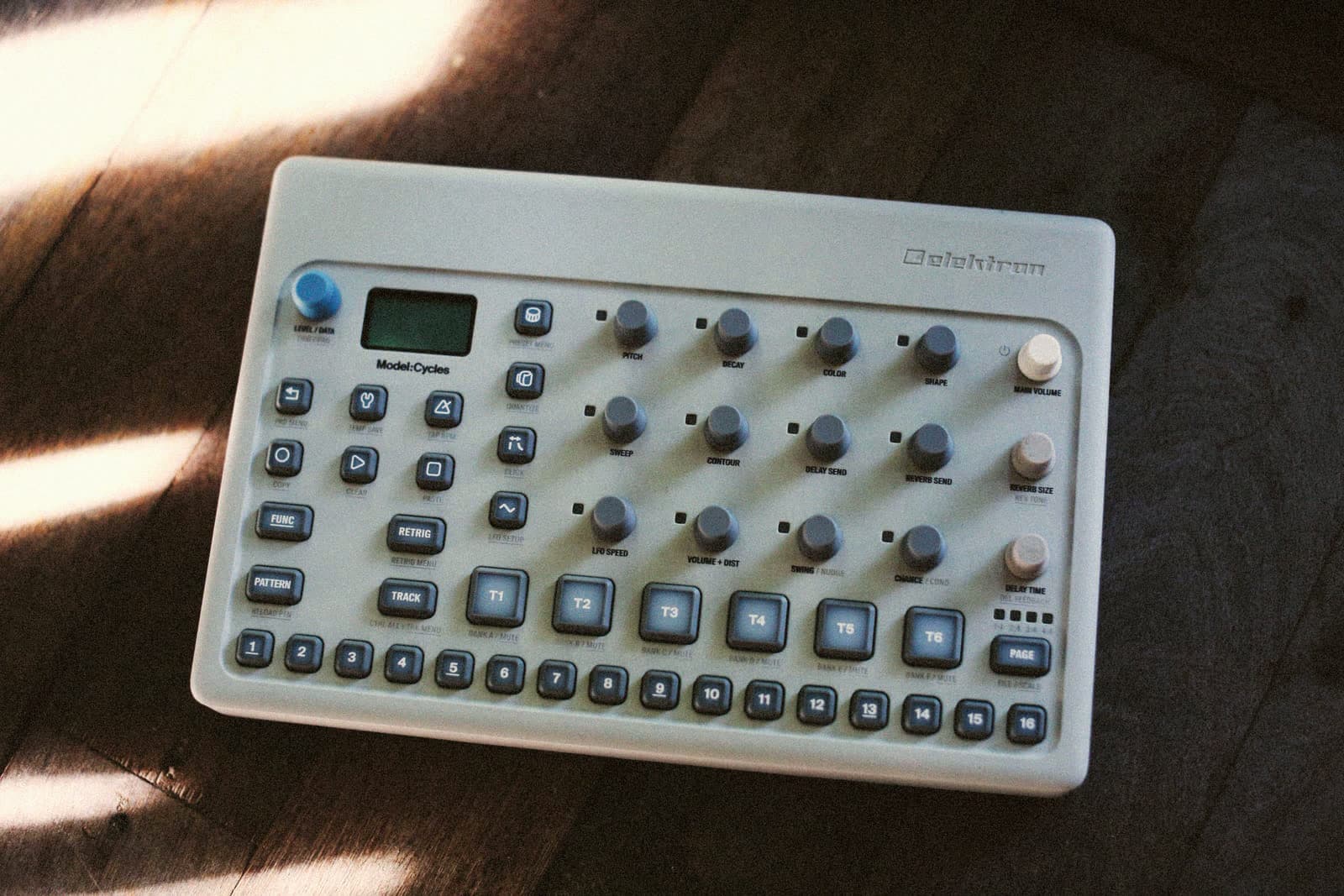
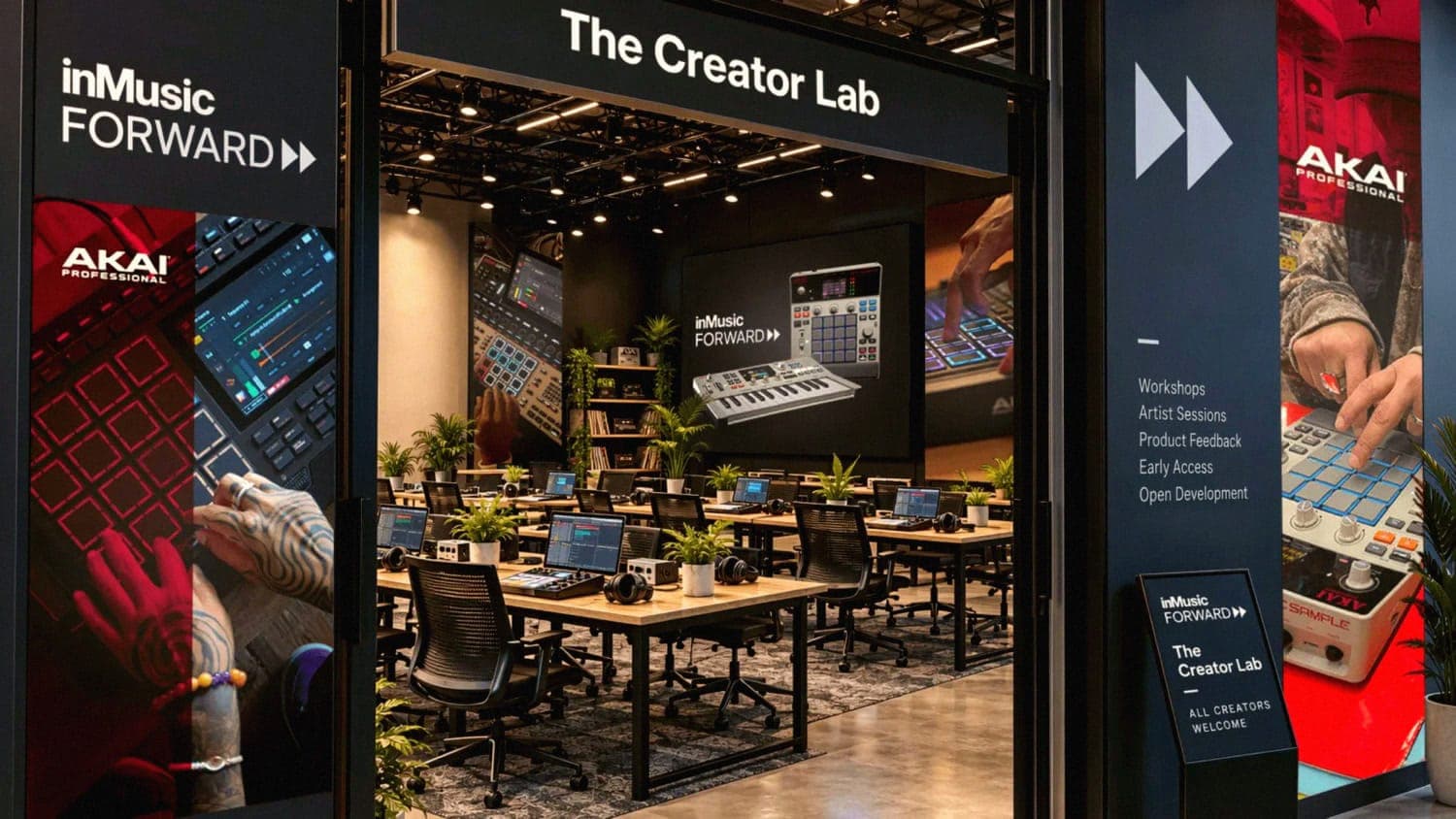
For a decade, open firmware was the move a scrappy outsider made to look cooler than a legacy gearmaker: Polyend publishing a public scripting library for its Tracker, the Monome and Norns crowd, bedroom coders cracking a drum machine's SD card to add a feature the factory wouldn't ship. inMusic owns five of the biggest names in the business, Akai, Moog, Alesis, Native Instruments and Numark, and it just walked onto that exact turf. Its new Creator Lab, unveiled ahead of NAMM 2027 in Anaheim (January 28 to 30), will open 22 new products across those brands to outside coders, plus a hands-on space at the show for anyone who wants to tinker in person. CEO Jack O'Donnell's framing matters: "These products don't need to be modified. They're complete instruments designed to stand on their own," he said. "Openness doesn't require incompleteness." That's a conglomerate borrowing the indie playbook's language while making clear its gear still ships finished.
What can modders actually touch?
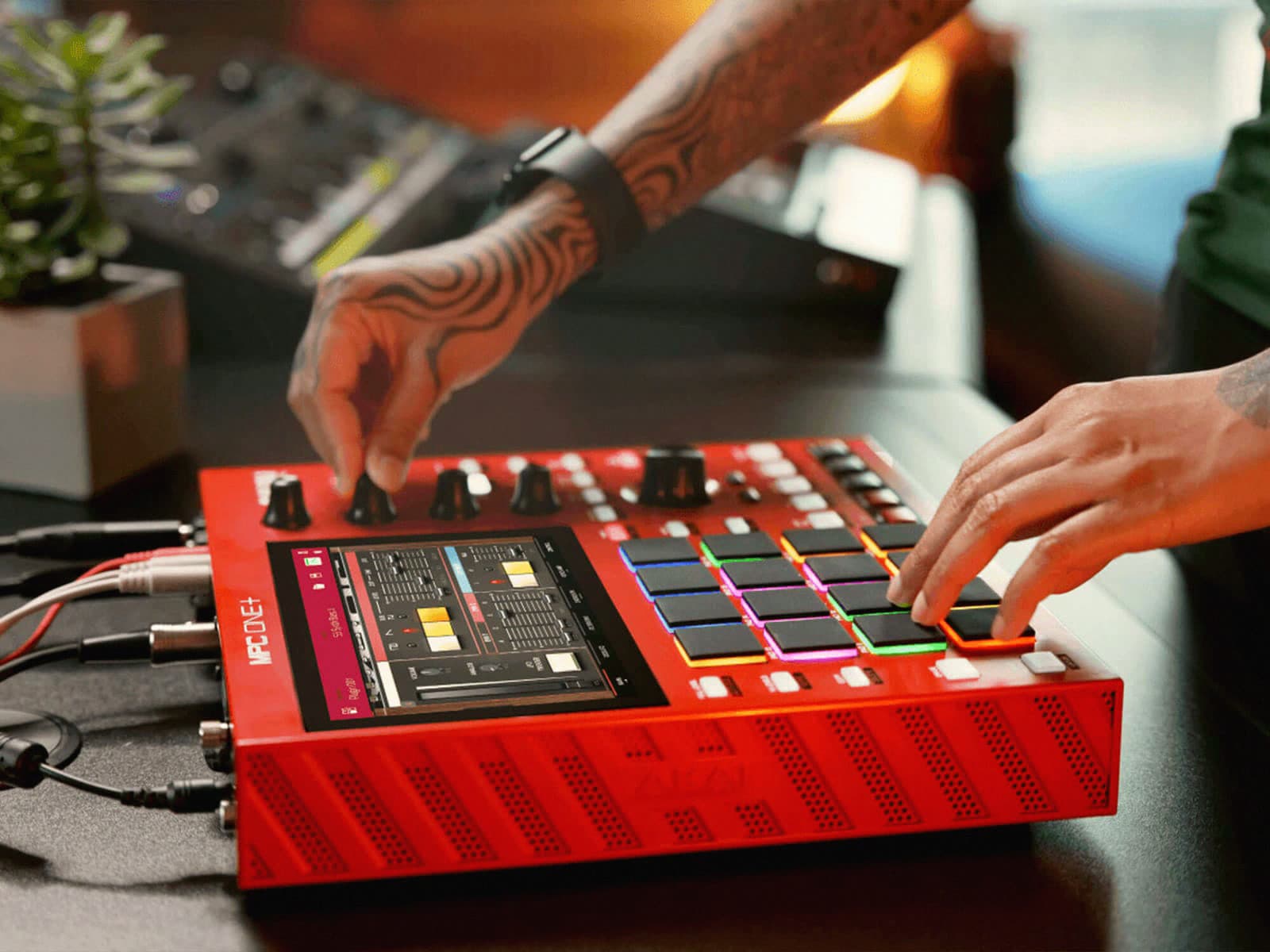
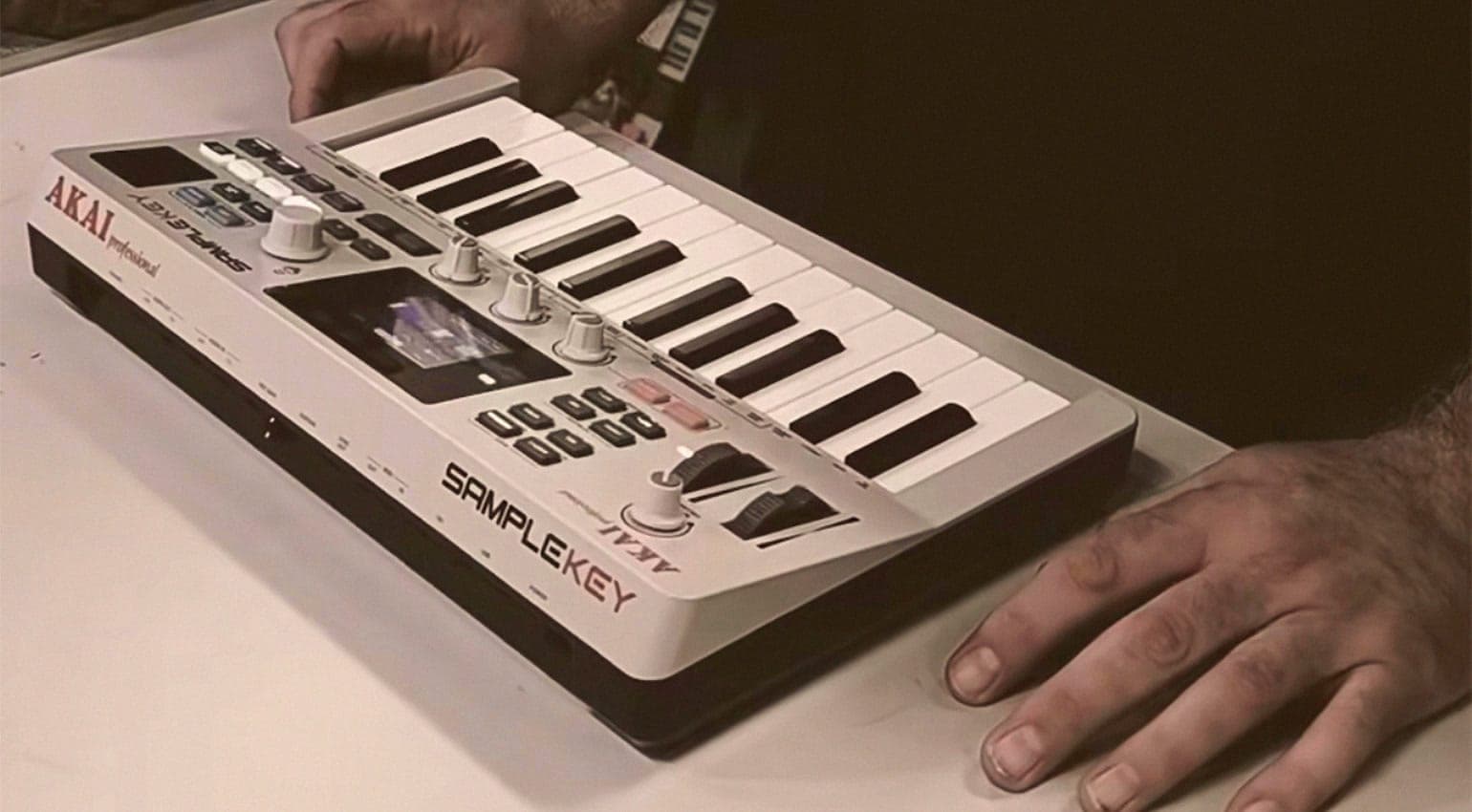
Akai has already started publishing pieces of the MPC Sample and MPC G1/G2 firmware as open source on GitHub, a first for a product line that spent over three decades as a closed, factory-tuned box. inMusic is also preparing versions of the MPC Sample and MPC Sample Key built specifically to be opened to custom code, and says it will seed hardware directly to the coder communities already poking at those machines. The headline mechanism is vibe coding, AI-assisted development meant to let someone who has never written firmware describe what they want and get working code back, lowering a bar that used to keep modding to engineers and reverse engineers.
"These products don't need to be modified. They're complete instruments designed to stand on their own.", Jack O'Donnell, inMusic CEO
Does this threaten the indie modding scene, or validate it?
Both. A giant endorsing open firmware is free publicity for a culture boutique brands built from nothing, and it means more musicians will have the vocabulary and the appetite to mod gear that was never meant to be touched. But it also erodes what used to be an actual edge for Polyend and its peers: openness stops being a reason to pick the small brand over the big one once Akai and Moog ship it too. The real test is whether inMusic treats this as a genuine commons, documented bootloaders, real licenses, hardware that survives a bad flash, or as a marketing layer bolted onto gear never designed to be reopened.