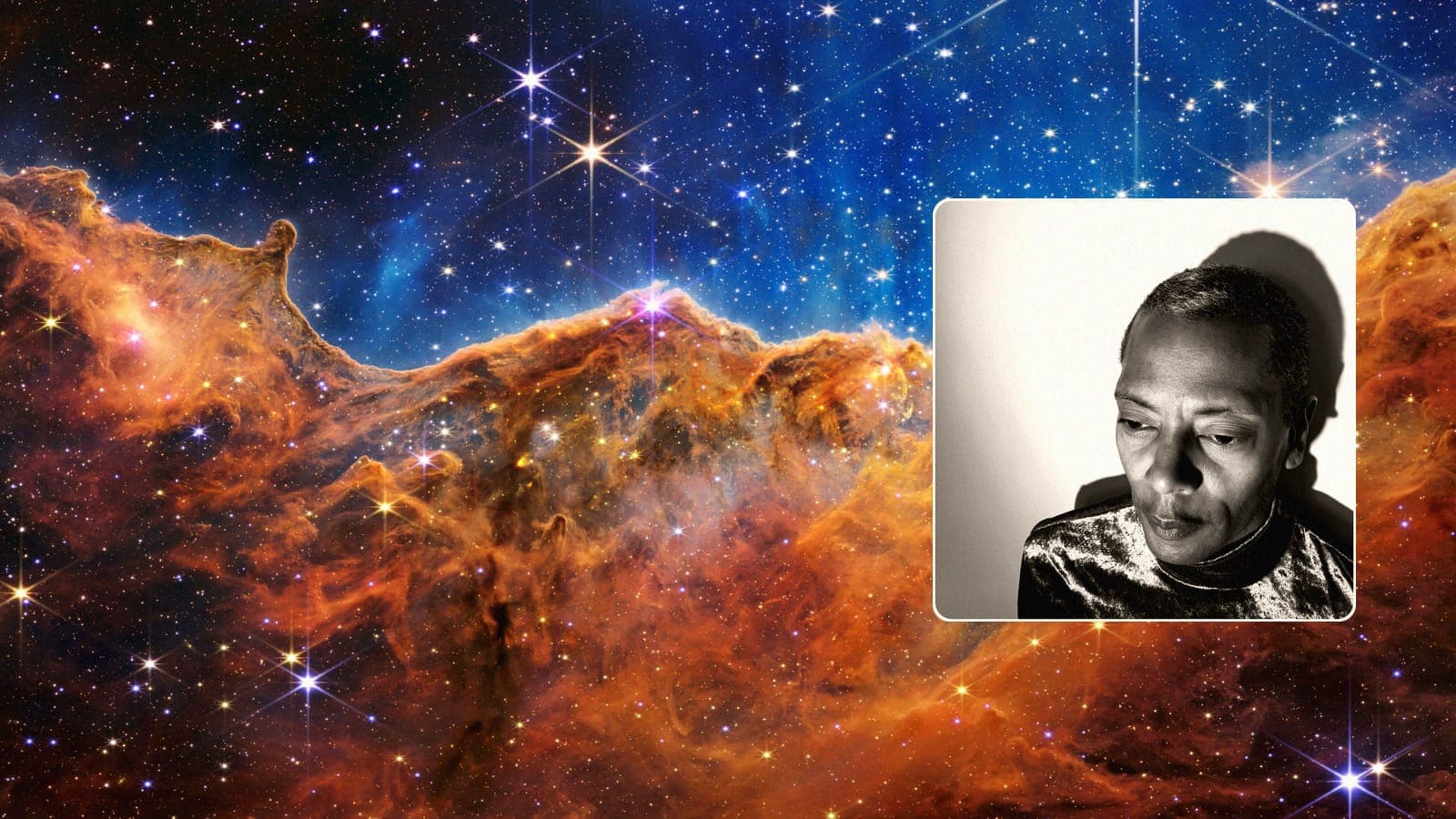
How did a Detroit radio DJ become "the Wizard"?
Jeff Mills was born in Detroit on June 18, 1963, and grew up on Charles "the Electrifying Mojo" Johnson's late-night radio mixes. By the early 1980s he had a slot of his own on WJLB, mixing under the name "the Wizard," known for beat-juggling two turntables faster than most DJs could cue a single record. He shared airtime with the city's other originators, Derrick May, Kevin Saunderson and Juan Atkins among them, at a moment when Detroit's electronic scene was still inventing its own rules on the radio, not yet in clubs.
What made Underground Resistance different from every other techno crew?
In November 1989, Mills and "Mad" Mike Banks founded Underground Resistance, later joined by Robert Hood. UR performed behind ski masks and combat gear, a deliberate refusal of the star system and a direct response to the economic wreckage Reagan-era policy had left across Detroit. The masks weren't a gimmick: UR framed techno as a weapon aimed at the industry as much as the dancefloor, and it gave the music a militancy that most house and techno acts, then and since, never claimed for themselves. Mills left around 1991 to go solo, though the two camps have stayed on good terms and UR still credits him as a founder.
"I knew I needed to have something that would end any question of whether techno music had arrived. A new way to think about dance music."
Why did Jeff Mills build a career on doing less, not more?
Mills founded Axis Records in 1992 with Robert Hood. Its early releases, especially the "Waveform Transmission" series, stripped techno to a kick, a handful of percussive hits and almost nothing else, an aesthetic Axis has never really abandoned. Mills has said the constraint is the point, not a limitation: "I can't even tell you how many tracks I've made with a 909 and they don't all sound the same." He still treats the Roland TR-909 the way a soloist treats an instrument rather than a preset, and the same instinct carried him into unlikely rooms: a live score for Fritz Lang's "Metropolis" in 2000, the 2006 orchestral commission "Blue Potential" with the Montpellier Philharmonic, a residency at the Louvre, a 2018 record with Afrobeat drummer Tony Allen. None of it diluted the techno. All of it proved the same three or four ideas could carry a full orchestra or an empty warehouse equally well.
Does any of this still matter, three decades on?
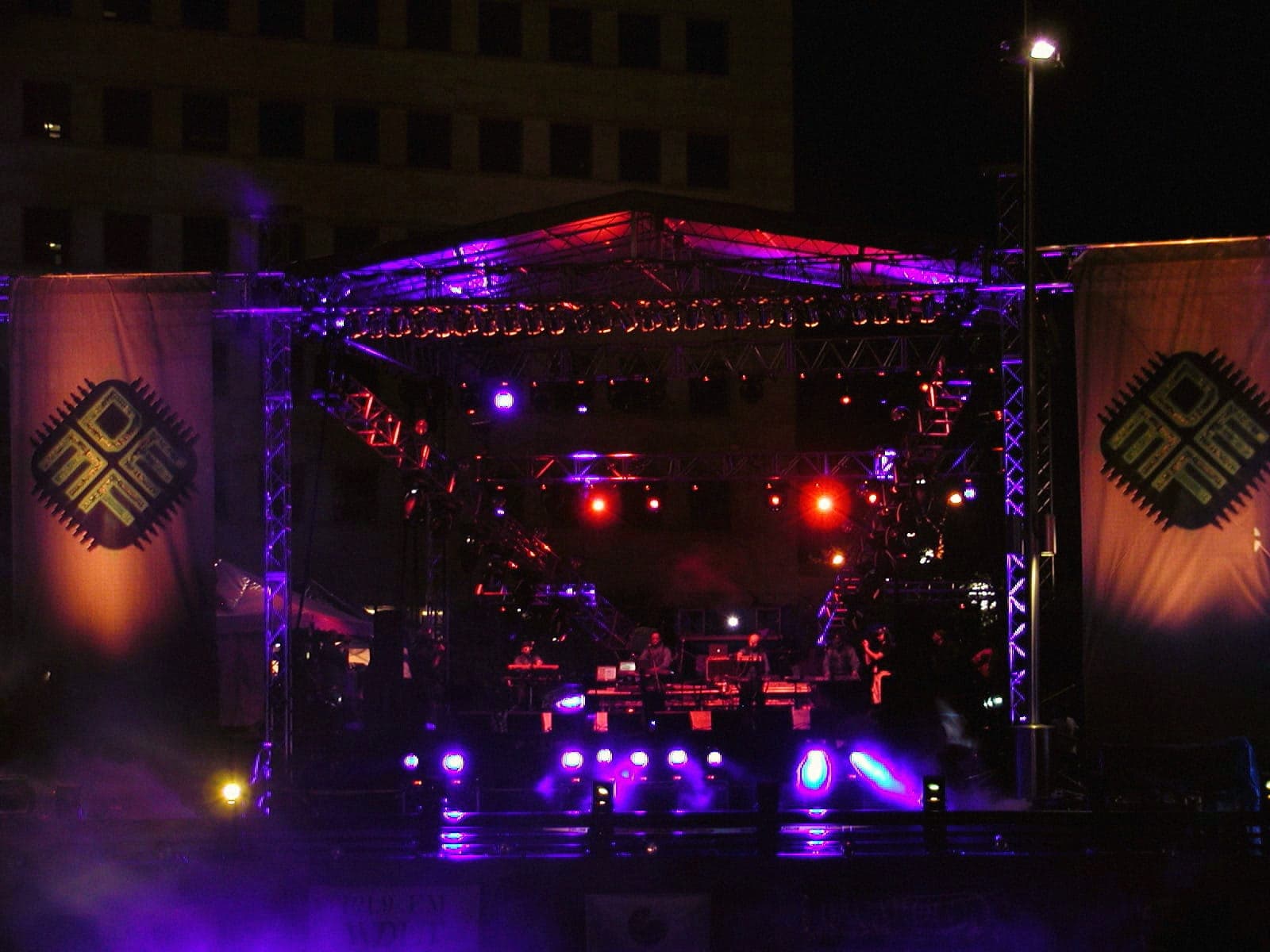
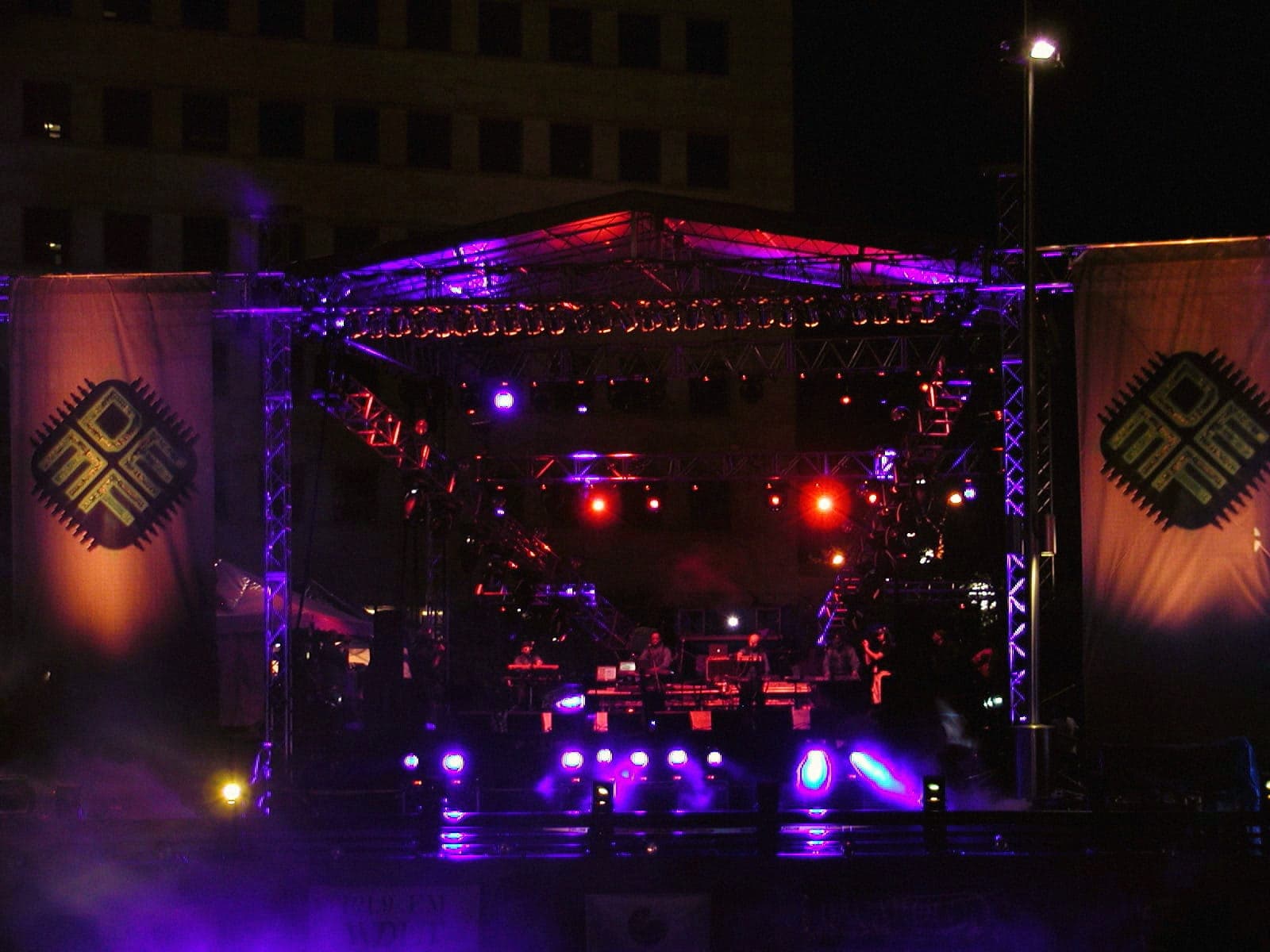
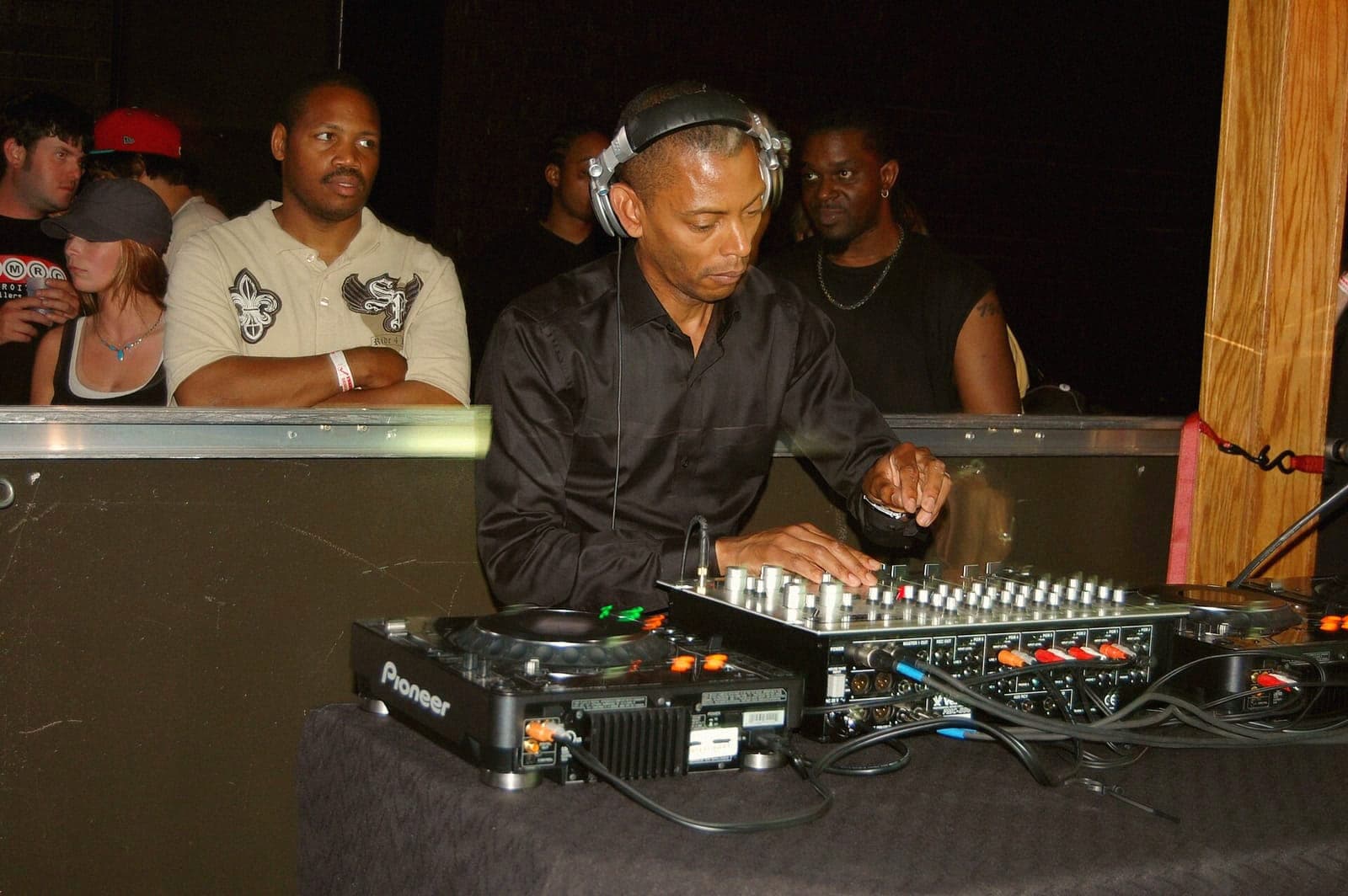
Through 2025 and into 2026, Mills has been touring "Live at the Liquid Room, Tokyo," his 1995 mix recorded at the Tokyo club of the same name, for its 30th anniversary, with shows in London, Osaka, Tokyo, Hong Kong and Paris built around previously unseen footage from the original night. Eminem name-checked him on record ("if you ain't listened to the Wizard, you ain't have a clue"). France made him a Chevalier of the Ordre des Arts et des Lettres in 2017. None of it changes what he actually does on a Saturday night: three decks, a drum machine, and a set built to be rearranged live rather than pre-mixed. Every festival now running a hardware-only DJ booth or a strict "three tracks, no laptop" techno stage is quoting a rulebook Mills wrote before most of their bookers were born.