South Korea's Board of Audit and Inspection sampled 8,540 songs from 29 of the country's most prolific songwriters. It found suspected AI involvement in 5,200 of them, 60.9 percent, all filed in 2024 under a copyright system that officially banned AI outright. That audit, run in March 2026, is why the Korea Music Copyright Association, the country's dominant music rights collecting society, just tore up its own rulebook.
KOMCA's "0% AI" policy took effect on March 24, 2025: songwriters had to certify, on the record, that no AI tool touched a registered work. It was the strictest stance of any major collection society anywhere. It was also, per the government's own numbers, being ignored at scale. On August 3, 2026, following a board vote on July 28, KOMCA replaced it with a disclosure-based framework that assumes AI is already in the room and asks creators to say so.
What actually has to be declared now?
Under the new rules, a track using AI tools can still register for copyright and collect royalties, but only if a human contributed a "substantial and leading" role to the melody, lyrics, structure or arrangement. Neither KOMCA nor the reporting on the policy has published a percentage or quantitative test for what counts as substantial. Songs generated entirely from a text prompt, with no meaningful human authorship layered on top, stay ineligible.
Applicants must identify which parts of a track involved AI, name the specific tools used, and describe exactly what the human creator did. That is a materially different ask from a checkbox certification: it is a paper trail KOMCA can pull on later.
Under the old rule you just ticked a box saying no AI was used. Under the new one, you're writing a case file that has to survive an audit.
How does KOMCA actually check any of this?
If KOMCA wants to verify a claim, it can request DAW project files, editing histories, sheet music, prompt records and AI generation logs, the same category of material that let the Board of Audit and Inspection catch the 60.9 percent figure in the first place. Creators get 30 days to respond. Come up short, or get caught misrepresenting how a track was made, and the penalties escalate fast: suspended royalty payments, repayment of money already collected, termination of the trust agreement that lets KOMCA administer an artist's catalogue at all, and, where intent or gross negligence is shown, fines up to three times the amount improperly received.
Why does a Korean copyright body matter outside Korea?
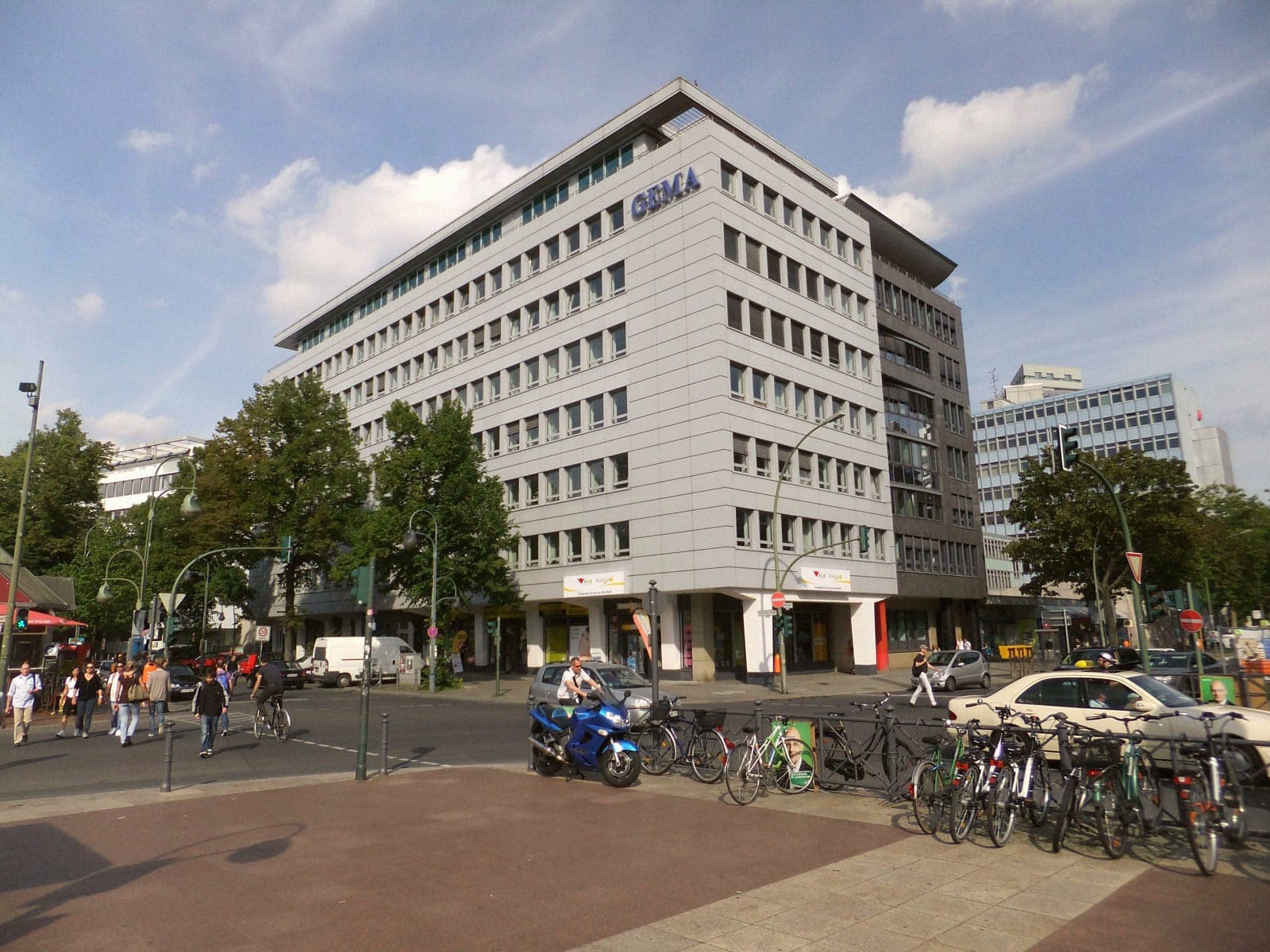
Most major collection societies, GEMA, SACEM, ASCAP among them, still handle AI-assisted submissions case by case under general human-authorship rules, without a published disclosure-and-audit framework specific to AI. KOMCA is now one of the first big PROs to run that experiment in public, at scale, with real royalty money attached. Producers everywhere already fight opaque AI-detection systems on distribution platforms and ghost-production disputes with no formal disclosure channel at all. A registration model that says "declare it, keep your receipts, and we might check" is a genuinely different mechanism than a platform-side ban or a training-data lawsuit, and it is the one other territories will be watching once their own audits start turning up the same numbers Korea's did.