What is the Longevity Rave measuring?
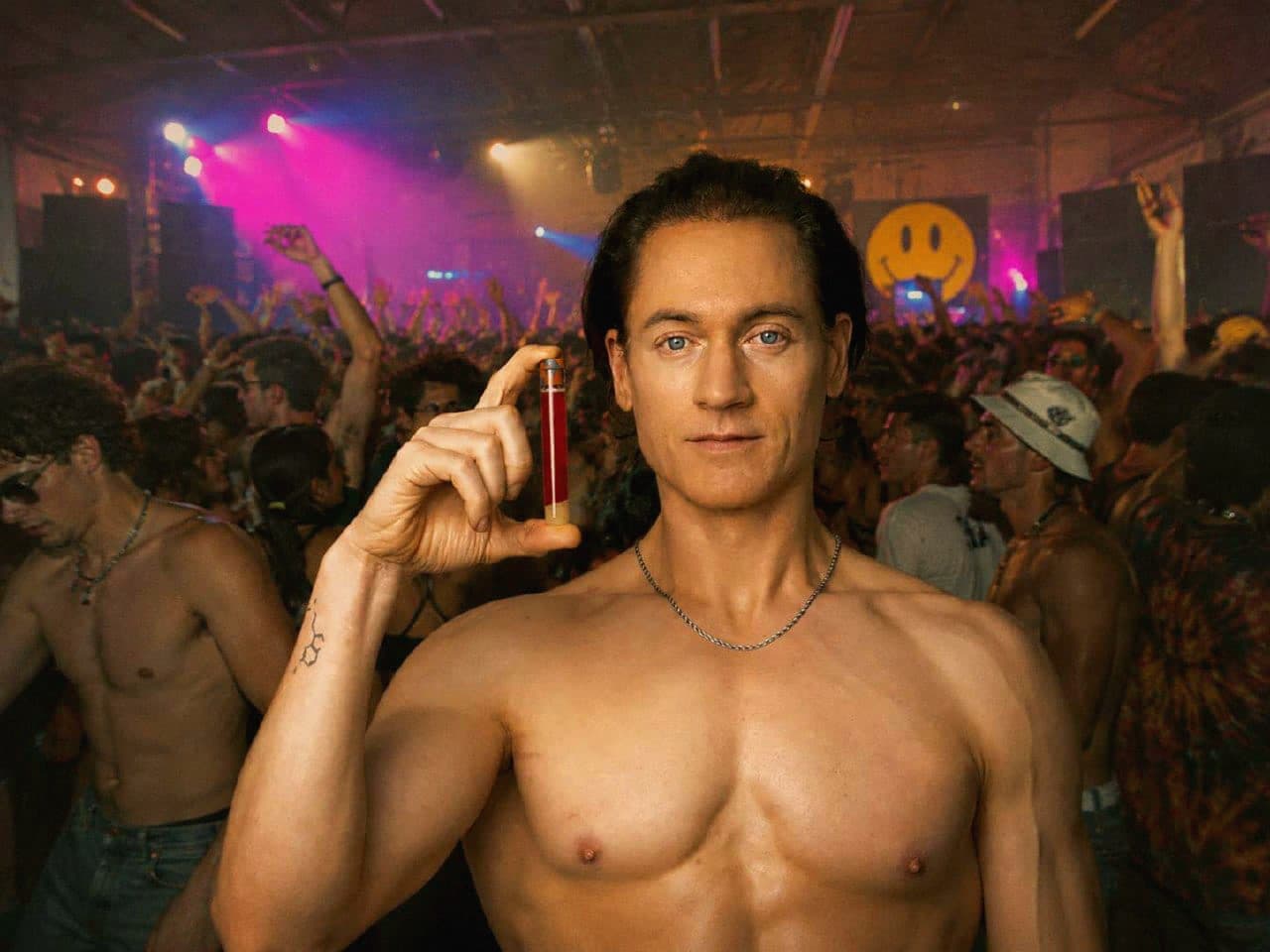
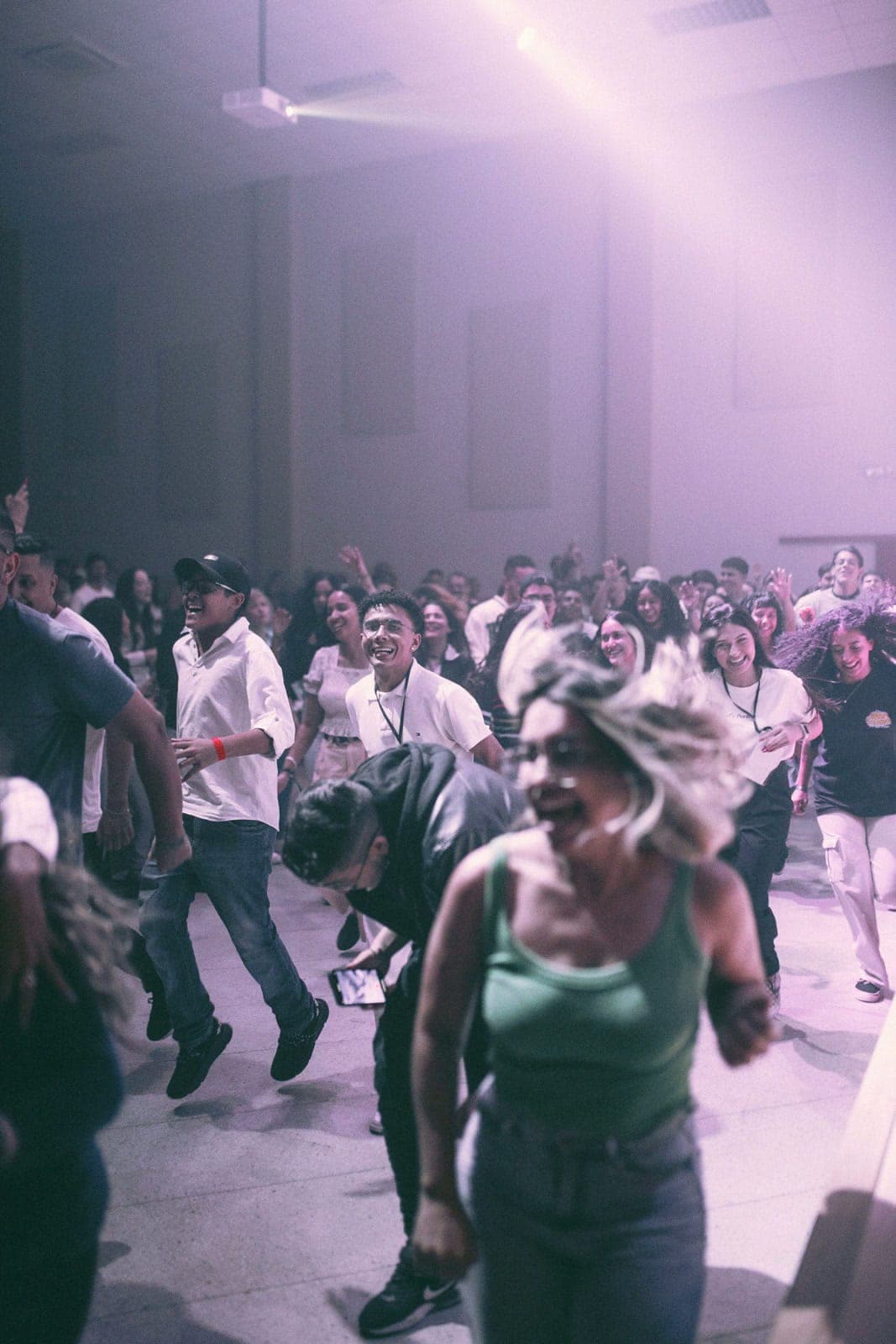
Longevity Rave started in London in 2024, and from the floor it looks like any other party: lights, a beat, a room full of people moving. The difference is that the BPM, the lighting, the sound intensity and the group dynamics are set as variables, not vibes. Its research arm, the JoyScore Experiment, is pitched as a multi-year open-science study into how rhythm, movement synchrony and collective energy land on the body, on the heart, the brain, the immune system and the markers of biological ageing. The premise is blunt: treat joy, connection and shared movement not as nice feelings but as measurable exposures, the way a lab would treat a drug or a diet.
Can a party really be a clinical trial?
That is the bet, and the methods are more serious than the wristband-and-vibes wellness you might expect. The experiment pairs real-time check-ins during the night, on connection, mood, meaning and recovery, with wearables logging heart-rate variability, cardiac synchrony between dancers and movement coordination. On top of that sit longevity biomarkers: salivary stress markers, metabolomics and epigenetic ageing signals, the same family of measures used in ageing research. A pilot at San Francisco's Frontier Tower set a structured longevity rave against an ordinary social mixer, and preliminary findings were presented at the Global Exposome Summit in April 2026. Whether the effect is big enough and consistent enough to mean anything clinically is exactly the open question the project says it wants to answer.
The claim is not that dancing feels good. It is that a designed night out might move the same needles as sleep, diet and exercise, and that you can prove it.
Why does this resonate now?
Because the dancefloor as medicine is having a moment, and not only in marketing. Earlier research linking raves to eased trauma already found an audience here, and the wellness rave, sober mornings, breathwork, kombucha at the bar, has gone from fringe to fixture. What sets the JoyScore work apart is the refusal to stay metaphorical. It also leans hard on intergenerational rooms, mixing older and younger dancers, on the basis that the contact itself lowers cognitive decline and depression. The risk is obvious: medicalise the party too far and you can suck the joy out of the thing you are measuring. The upside is a scene finally able to point at data when it says, as it always has, that this is good for you.